
استمع إلى القصيدة
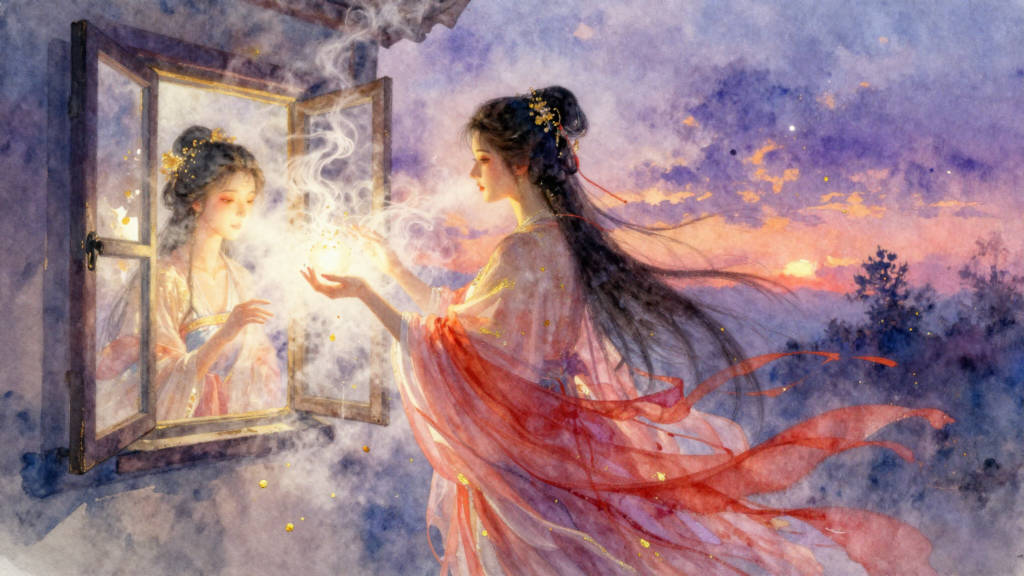
وَفَتَحْتُ نَافِذَتِي لِكَيْ أَسْتَنْشِقَامَا كُنْتُ أَنْوِي أَنْ أُحِبَّ وَأَعْشَقَا
لَكِنَّنِي اسْتَنْشَقْتُ ضَوْعَ عَبِيرِهَاوَسَرَى لِيَمْلَأَ مُهْجَتِي فَاسْتَوْثَقَا
وَثَمِلْتُ حَتَّى لَمْ أَجِدْنِي إِنَّمَاشَاهَدْتُ قَلْبِي فِي يَدَيْهَا مُوثَقَا
وَإِذَا بِهَا تَسْقِي سُلَافَةَ حُبِّهَاقَلْبًا تَهَالَكَ عِنْدَهَا مُتَرَفِّقَا
مَا زِلْتُ فِي سُكْرِ الْهَوَى وَإِسَارِهِفَمَتَى أَعُودُ إِلَيَّ عَوْدًا أَحْمَقَا
لَا، لَا تُعِيدِينِي وَأَبْقِينِي هُنَاأُسْقَىٰ دِنَانَ الْحُبِّ خَمْرًا عُتِّقًا!
وَتُحَدِّثُ الْعَيْنَانِ مِنْكِ مُتَيَّمًاحَتَّى تُنَادِمَهُ اللِّحَاظُ تَشَوُّقَا
صُبِّي كُئُوسَ الْوَصْلِ غَيْرَ بَخِيلَةٍإِنِّي حَبِيبٌ فِي هَوَاكِ تَخَنْدَقَا
وَإِذَا الْخُمُورُ تَعَتَّقَتْ فِي نَهْدِهَافَلْيَهْنِ قَلْبِي أَنَّهُ قَدْ وُفِّقَا
I Never Meant To
- I opened up my window just to breathe;
I never meant to love, or fall in love. - But I breathed in the fragrance of her scent,
and, stealing in, it filled and firmly gripped1 my heart’s blood. - I grew so drunk I could not find myself;
all I could see: my heart, bound fast1 in her hands’ clutch. - And there she was, pouring her love’s first wine2
for a heart that sank before her, gently3 overcome. - I am still drunk on love, and still its captive;
so when shall I return to myself? What folly, sobering up4! - No, no5, don’t bring me back; just keep me here
to be given, from the jars of love, a wine long aged! - Your eyes speak to a lover held in thrall, until
your glances, yearning, keep him company6 and share his cup. - Pour out the cups of union, never sparing them:
I am a lover who has dug his trench7 within your love. - And if the wines have aged within her breast,
then let my heart rejoice8 that it was granted such good luck.
Notes
- The two rhyme words form a pair (jinās): istawthaqa, ‘it made itself fast, secured its hold’, in verse 2, and mūthaqan, ‘bound, tied fast’, in verse 3. Both come from the root of wathāq, a rope or fetter. The scent secured its hold on him, and his heart ended up tied in her hands. ↩
- Sulāfa is the first and finest juice to flow from the grapes before they are pressed. Wine, drunkenness and the cupbearer are long-established images for love in Arabic poetry; the poem draws on that whole tradition, from the first intoxication to the aged wine and the drinking companion. ↩
- Mutarafiqan, ‘gently, softly’, is masculine and so is taken with the heart: it sinks before her softly, without resistance. It can also be read loosely as describing the gentleness with which she pours. ↩
- The phrase ʿawdan aḥmaqa, ‘a foolish return’, describes the return itself. Coming back to his senses, that is, to sobriety and to the man who never meant to love, would be the real folly. The question therefore asks for no answer, and the next verse rejects the idea outright. ↩
- Here the poem turns from speaking about her (‘her scent’, ‘her hands’) to addressing her directly, a shift of person that Arabic rhetoric calls iltifāt. The plea brings her suddenly close. ↩
- Tunādimuhu, from nadīm, the boon companion who shares the wine and the talk at a drinking gathering. Her glances do not merely speak to the enthralled lover: they keep him company, and what they pour is longing. ↩
- Takhandaqa, ‘to dig oneself into a trench’, is a modern, military word, unexpected in a love poem. It pictures the lover dug in within her love: he has taken up his position there and will neither retreat nor surrender. ↩
- Fal-yahni qalbī, ‘let my heart enjoy it’, is the language of congratulation (hanīʾan, ‘may it do you good’), and wuffiqa is to be granted success, as by God’s favour. The man who in verse 1 never meant to love ends by counting his love as good fortune. Taʿattaqat, ‘grew old’, recalls the aged wine of verse 6. ↩
English translation prepared by artificial intelligence and reviewed against the Arabic for accuracy of meaning and rhetoric.