
استمع إلى القصيدة
أَتَمَنَّاكِ مِثْلَمَا يَتَمَنَّىوَارِفَ الظِّلِّ مُصْحِرٌ وَمُعَنَّى
طَافَ فِكْرِي عَلَى الْمَعَانِي بِعُمْقٍلَمْ أَجِدْ لِي فِي غَيْرِ حُبِّكِ مَعْنَى
فَجَعَلْتُ الهَوَىٰ لِحُسْنِكِ مَحْضًاوتَخَيّرْتُهُ لِشِعْرِيَ فَنّا
وَثَوَى خَاطِرِي لَدَيْكِ وَلَكِنْفِي عَذابِ الهَوَى يَتيهُ وَيَفْنَى
لَوْ بِوَصْلٍ وَعَدْتِهِ كَانَ يَحْيَافِي نَعيمٍ وَأَنْتِ بِالْقَلْبِ أَحْنَى
أَسْعِفِيهِ لَمْ يَبْقَ مِنِّي سِوَاهوارْحِميهِ، فَمَا سِوَاكِ تَمَنّىٰ
عَنْ عَذَابِي لَنْ تَكْسِبِي غَيْرَ إِثْمٍوَعنِ الإِثْمِ أَنْتِ – وَاللّٰهِ – أَغْنَىٰ!
كُلَّمَا قُلْتُ فِي النَّوَى عِيلَ صَبْرِيقُلْتِ: آتِيكَ فَاصْبِرَنْ وتَأَنَّ
فَإِلَامَ الصَّدَى وَأَنْتِ فُراتِيودِلائي إِلَيْكِ لِلْمَاءِ أَدْنَى
أَوَتَسْقِينَ عَذْبَ وِرْدِكِ غَيْرِيوَأَنَا ظَامِئٌ بِبَابِكِ أَضْنَى
يَتَسَنَّى لِكُلِّ شَأنٍ مَجَالٌغَيْرَ وَصْلِي فَلَمْ يَعُدْ يَتَسَنَّى
يَا مُنَى خَاطِرِي المُعَنَّى وَمَغْنَىمُهْجَتِي فِيكِ كُلُّ مَا أَتَمَنَّى
بَهْجَةُ الرَّوْضِ ثمّ سُكْرُ الدَّوَالِيوأَغاريدُ بُلْبُلٍ يَتَغَنَّى
وَزُهورٌ تَبُثُّ فِي النَّفْسِ أُنْسًاوَأَريجٌ وَغُصْنُ بَانٍ تَثَنَّى
فَاسْتَطابَ الفُؤادُ مَغْناكِ دَهْرًاوَجَنَى الْمُجْتَنَى، وَطَرْفيَ أَرْنَى
أَوَمَا كَانَ صَدْرُهَا مَلْجَأَ الْقَلْــبِ إِذَا مَا اسْتَفَاضَ شَوْقًا وَحَنَّا
فَأَعيدِي إِلَيَّ رَوْضَكِ إِنِّيلَسْتُ أَدْرِي لِلْقَلْبِ غَيْرَكِ سُكْنَى
I Long for You!
- I long for you as one worn down by suffering,
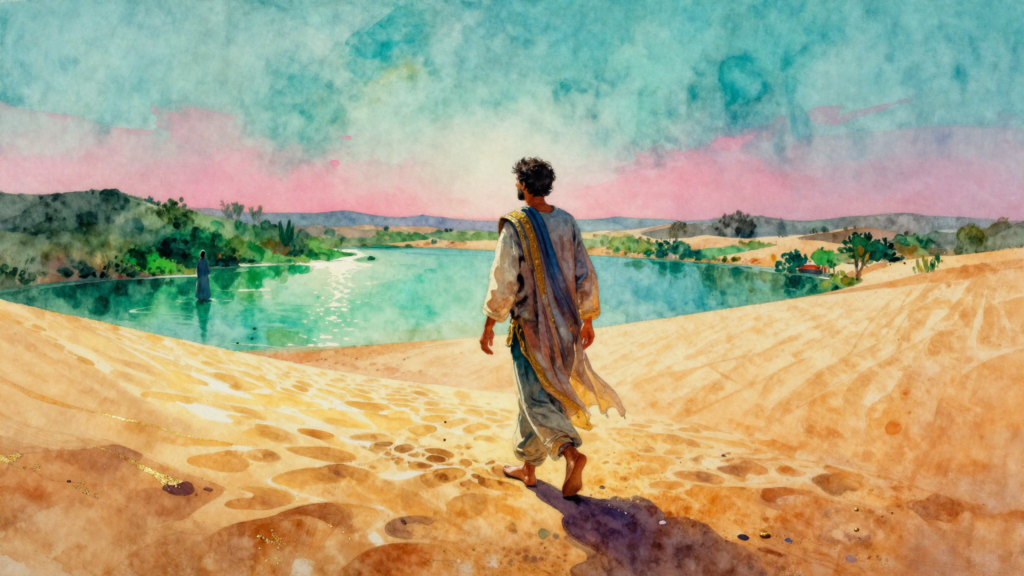
lost in the desert, longs for spreading shade across the plain. - My thoughts went circling deep through meaning after meaning:
outside your love I sought a meaning for myself in vain. - So I gave my love wholly to your beauty,
and chose it as the art of all my verse, its sole refrain. - My mind has made its home with you, and yet,
in love's torment it wanders lost, and wastes, and wanes. - Had you but promised it union, it would live in bliss;
and none is tenderer to the heart than you. - Come to its aid: of me there's nothing left but this;
have mercy on it, for it has longed for none but you. - From my torment you will gain nothing but sin;
and you, by God, have need of no such gain! - Whenever I say, in our parting, “My patience is spent,”
you say, “I'm coming to you: be patient; take your time.” - How long, then, this thirst, when you are my Euphrates1,
and my buckets, lowered to you, hang so near the water? - Will you give others to drink from your sweet spring
while I stand thirsting at your door, and waste away? - Every other matter finds its way to come about2;
only my union with you no longer comes about. - O wish of my tormented mind3, O home
of my heart: in you is all I long for: - the garden's delight, and then the drunkenness of vines,
the warbling of a nightingale that sings its strain, - and flowers that breathe their intimacy into the soul,
and fragrance, and a bān bough4 that bends and sways. - So for an age my heart found sweetness in your home,
and gathered all the fruit to gather, and my eye gazed on, and gazed again. - Was not her bosom5 once the refuge of the heart
whenever it overflowed with longing, and yearned? - So give me back your garden, for I know
no other dwelling for my heart but you.
Notes
- Furāt is the Euphrates, and also, as a common noun, the sweetest of fresh water. She is the river whose water is sweetest, and his buckets (dilāʾ) are let down close to it, yet he is still kept thirsty. Ṣadā, ‘thirst’, also means ‘echo’. ↩
- The verse opens and closes with the same verb, yatasannā, ‘to become possible, to come about easily’ (radd al-ʿajuz ʿalā al-ṣadr, the return of the opening word at the end). Everything else in the world comes about; only their meeting does not. ↩
- The verse chimes three words of close sound: munā (wishes, heart's desire), al-muʿannā (the afflicted, the tormented), and maghnā (a dwelling, the place where one lives content), which also echoes ghināʾ, singing, and prepares for the nightingale's song in the next verse. The poem's rhyme word atamannā, ‘I long’, returns here, taking up the title. ↩
- The bān is a slender, supple tree (the ben or moringa tree) whose swaying branch is a stock image in Arabic poetry for the beloved's slim, graceful figure. ↩
- Here the poet turns from speaking to her to speaking about her, ‘her bosom’, as though recalling past intimacy to himself (iltifāt, a classical rhetorical shift), before addressing her again in the last verse. ↩
English translation prepared by artificial intelligence and reviewed against the Arabic for accuracy of meaning and rhetoric.