
استمع إلى القصيدة
مَا ذَنْبُ قَلْبٍ فِي جَمَالِكِ مُغْرَمِوَمَرَافِئُ الْعَيْنَيْنِ فِي مَجْرَى دَمِي
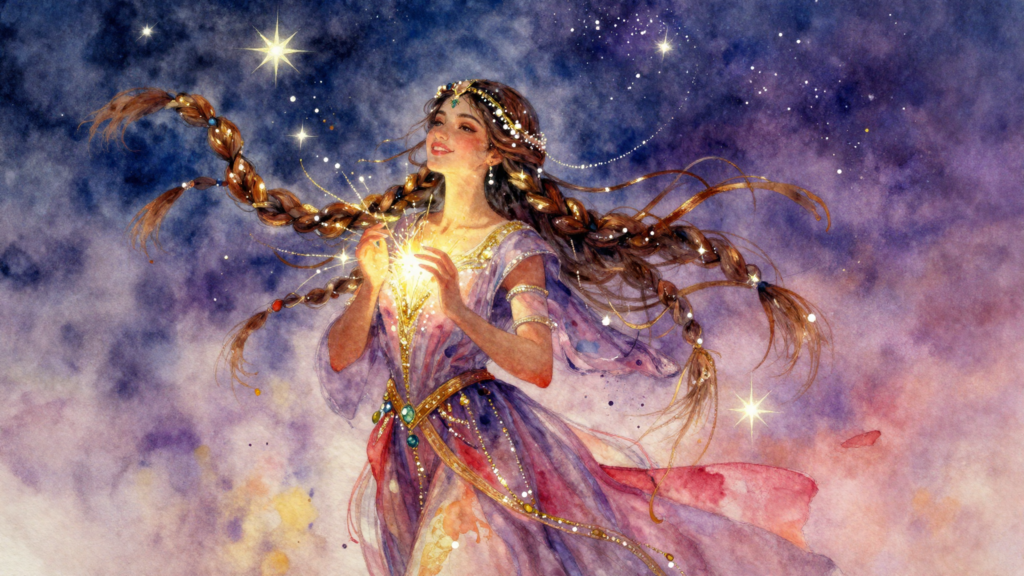
وَضَفَائِرٍ غَجَرِيَّةٍ أَرْسَلْتِهَاكَحِبَالِ وَصْلِكِ عُلِّقَتْ بِالْأَنْجُمِ
وَغَزَلْتِ مِنْ لُعْسِ الشِّفَاهِ وَدُرِّهَادُرَرًا مُمَوْسَقَةً بِصَوْتِ مُنَغِّمِ
مَا ذَنْبُهُ إِنْ كَانَ حُسْنُكِ بَارِعًافِي جَذْبِهِ حَتَّى لِجَنْبِكِ يَرْتَمِي
مَاذَا جَنَى نَظَرِي وَوَجْهُكِ شَاهِدِيأَنَّ الْجَمَالَ إِلَى جَنَابِكِ يَنْتَمِي
مَا ذَنْبُ ثَغْرِكِ وَهْوَ يَرْجُو قُبْلَةًمِنْ ثَغْرِيَ الْمَحْرُومِ؟ هَيَّا لَمْلِمِي!
وَرَهِيفِ خَصْرٍ مِثْلِ لَمْلَمَةِ الْجَنَىيَوْمَ الْحَصَادِ وَلَمْسِ خَزٍّ مُفْعَمِ
مَاذَا جَنَيْتُ وَلَمْ أَكُنْ إِلَّا فَتًىيَهْوَى، فَلَمْ يُضْمِرْ وَلَمْ يَتَكَتَّمِ
How Is a Heart to Blame?
- How is a heart to blame that’s smitten by your beauty,
while your eyes’ harbours1 lie moored within my bloodstream’s tide, - and gypsy braids2 you’ve let fall loose, that, like the ropes of union,
hang from the stars to which they’re tied? - From dusky lips3, and from the pearls they hide, you’ve spun
new pearls, set to music in a voice’s tuneful line. - How is it to blame, if your loveliness is so skilled
at drawing it, it throws itself down at your side? - What crime4 has my gaze committed, when your face bears witness
that beauty traces its descent to where you reside? - And how is your mouth to blame, that hopes to win a kiss
from my deprived mouth? Come, then, gather it in5! - And a slender waist, like gathering the ripe fruit4 in
on harvest day, like touching silk, lavish and fine. - What crime4 have I committed? I was only a young man
in love, who never buried it within, nor tried to hide6.
Notes
- Marāfiʾ, ‘harbours, havens’: the eyes are ports where the heart puts in and drops anchor. Yet these harbours lie ‘in the course of my blood’: he does not sail to them, for they already flow within him wherever his blood runs. ↩
- Ghajariyya, ‘gypsy’, suggests dark, untamed hair, worn loose and wild. Ḥibāl al-waṣl, ‘the ropes of union’, is an old Arabic idiom for the ties that keep lovers close. The braids are so long they seem to hang from the stars, and like her favours they reach down to him from a height he cannot climb. ↩
- Luʿs is a dark, reddish tint of the lips, much praised in classical love poetry. Durr, ‘pearls’, is the standing metaphor for teeth. From these she ‘spins’ durar, pearls again, now meaning her words, which her voice sets to music. The play durr / durar makes the pearls of her mouth and the pearls of her speech one and the same. ↩
- The verb janā means ‘to commit an offence’, and also ‘to gather, to pick fruit’; al-janā, in verse 7, is the ripe fruit itself. The poem moves through this family of words: ‘what crime has my gaze committed?’, ‘gathering ripe fruit’, ‘what crime have I committed?’. His ‘crime’ is, in the end, only a harvest. Verse 5 also chimes janā with janābik, ‘your presence, your side’, as verse 4 chimes jadhb, ‘drawing’, with janb, ‘side’. ↩
- Lamlimī means ‘gather up, collect’. The object, left unstated, is the kiss: she should gather it in, as the next verse speaks of gathering in the harvest, the same word lamlama. Verse 7 then continues the list of blameless things begun in verse 1 (‘and what fault is it of a slender waist…’). ↩
- Classical Arabic love poetry prizes kitmān, the lover’s concealment of his passion to protect the beloved’s name. The defence here turns this on its head: his only ‘crime’ was honesty, for he neither buried his love in his heart nor hid it from others. ↩
English translation prepared by artificial intelligence and reviewed against the Arabic for accuracy of meaning and rhetoric.