
استمع إلى القصيدة
سَأَلْتُهَا: كَيْفَ حَالُكْ؟قَالَتْ: حَلَا، وَحَلَالُكْ!
أَشْعَلْتَنِي بِسُؤَالِكْمَتَى يَحِينُ اشْتِعَالُكْ
مَنَّيْتُ نَفْسِي طَوِيلًامَتَى تَرَانِي أَنَالُكْ؟
وَدِدْتُ لَوْ تَصْطَفِينِيوَيَحْتَوِينِي جَلَالُكْ
كُلِّي اشْتِهَاءٌ فَقُلْ لِي:مَتَى يَزُولُ اعْتِدَالُكْ؟
قَدِ اتَّصَلْتُ كَثِيرًاوَلَمْ يُجِبْ (سِنْتِرَالُكْ)
تَعَالَ لِي وَانْتَشِلْنِييَا حَبَّذَاهُ انْتِشَالُكْ
قَدِ ارْتَقَبْتُكَ فَتْحًالِلْقَلْبِ يَحْلُو وِصَالُكْ
تَحْتَلُّ جِسْمِي وَرُوحِيحِمىً لِقَلْبِي احْتِلَالُكْ
فِي الْقُرْبِ حِضْنُكَ مَأْوًىفِي الْبُعْدِ حِضْنِي خَيَالُكْ
فِي كَرْنَفَالِ التَّجَلِّيأَخَالُنِي وَأَخَالُكْ
لَا، لَا تُخَطِّطْ زَمَانًايُرِيحُ نَفْسِي ارْتِجَالُكْ
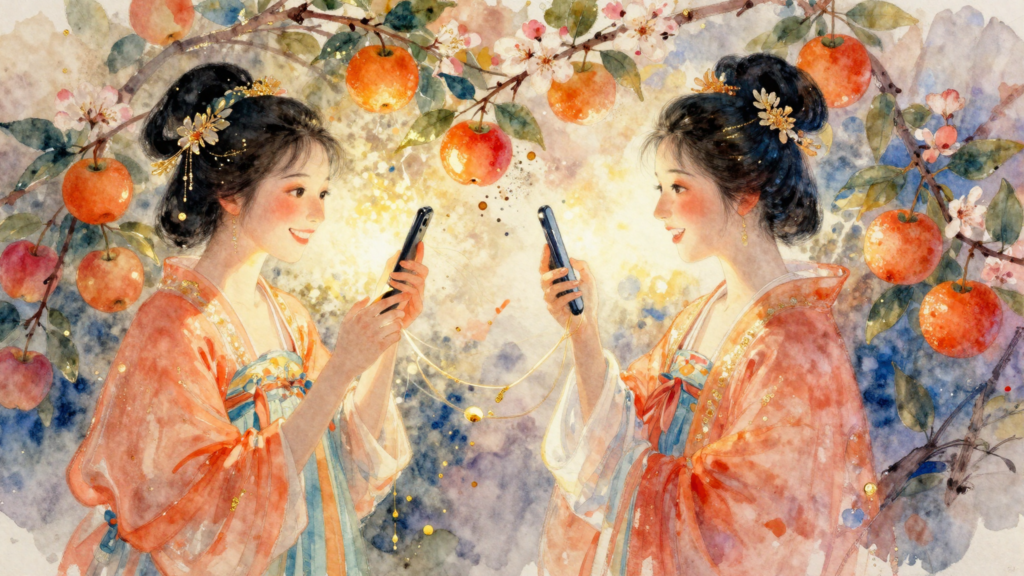
إِذَا اشْتَهَيْتَ فَخُذْنِيتُفَّاحَتِي بُرْتُقَالُكْ
وَسَمِّ مَا شِئْتَ تَلْقَالَّذِي تَشَاءُ يَنَالُكْ
خُذْنِي كَمَا شِئْتَ غَصْبًاوَلْيُغْوِ نَفْسِي احْتِيَالُكْ!
How Are You?
- I asked her, “How are you?”
She said, “Sweet, and all yours1! - You set me alight with your question:
when will the fire catch in you?2 - I've long been nursing the hope:
when, I wonder, will I have you? - I wished that you would choose me,
and that your majesty would hold me. - I'm all desire; so tell me,
when will your composure3 fall from you? - I've called so many times,
and your “switchboard”4 never put me through. - Come to me, and rescue me:
how welcome, a rescue by you! - I've waited for you like a victory5
for the heart; sweet is union with you. - You occupy my body and soul,
and my heart finds sanctuary in being occupied by you. - When near, your arms are my shelter;
when far, I embrace the phantom of you. - In the carnival of radiance6
I picture myself, and picture you. - No, don't spend an age making plans:
what soothes my soul is the spontaneous you. - If you desire me, take me:
my apple, and your orange too. - And name whatever you wish: you'll find
whatever you wish comes to you. - Take me as you will, by force,
and let your cunning lead my soul astray!”
Notes
- Ḥalā, 'sweet', and ḥalāluk, 'yours by right', come close in sound (jinās), and both echo ḥāluk, 'how are you' (literally 'your state'), in the question. Ḥalāl is what is lawful and permitted, and ḥalāluk is a colloquial expression of generous giving, 'it is yours, freely'. Her reply to a polite question is thus a playful offer of herself. The rest of the poem is her answer, spoken in her voice. ↩
- Ashʿaltanī bi-suʾālik, 'you set me alight with your question': a plain 'how are you?' has kindled her, and she asks when he will catch fire in turn. ↩
- Iʿtidāl means moderation and self-restraint, and also standing upright. She wants his measured composure to give way to passion. ↩
- Santrāl, from the French central, is the colloquial word for a telephone exchange. The Arabic sets it in brackets as a modern loanword, a humorous touch in a love poem: she has called and called, and his line never answers. ↩
- Fatḥ means an opening, a conquest and a victory; in religious language it is also a divine opening, a grace. She waits for him as one waits for a city gate to be opened or a victory to be granted. ↩
- Akhāluni wa-akhāluk, 'I fancy myself and I fancy you', echoes khayāluk, 'your phantom', at the end of the verse before. Tajallī, 'radiance', is also the Sufi word for the self-disclosure of the divine; here it is a festival of unveiling in which she sees the two of them only in imagination. ↩
English translation prepared by artificial intelligence and reviewed against the Arabic for accuracy of meaning and rhetoric.