
استمع إلى القصيدة
أَرْجَعَتْنِي لِلشِّعْرِ أَبْهَا، وَقَدْ كُنْـتُ هَجَرْتُ الْقَصِيدَ دَهْرًا مَلِيَّا
فِي رُبَاهَا خَمَائِلٌ تَتَدَلَّىوَبَسَاتِينُ تَحْضُنُ الْعِشْقَ فِيَّا
نَفَحَتْنِي بِحُسْنِهَا ابْنَةُ أَبْهَافَكَأَنِّي بِالْقَلْبِ عَادَ فَتِيَّا
وَهْيَ أَهْلٌ بِحُسْنِهَا أَنْ تُعِيدَ الْـمَيْتَ بَعْدَ الْفِرَاقِ يَنْبِضُ حَيَّا
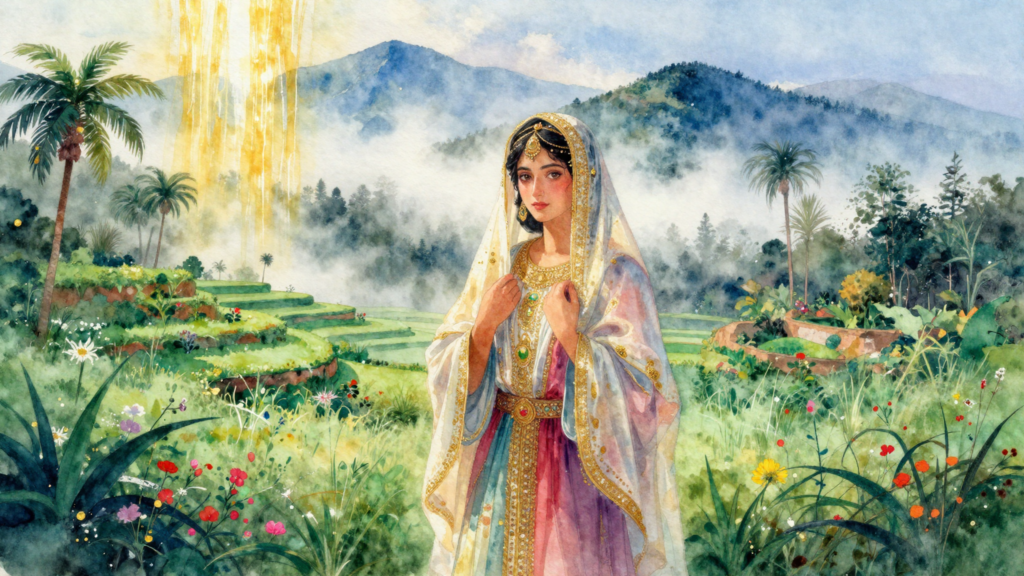
أَرَأَيْتُمْ نَخِيلَهَا؟ فَهْيَ أَبْهَىفِي جَدِيلٍ مِنْ شَعْرِهَا عَبْقَرِيَّا
سَعَفٌ تَقْطُرُ السَّبَائِكُ مِنْهُمَا أُحَيْلَى شَلَّالَهَا الذَّهَبِيَّا!
سَتَرَتْ حُسْنَهَا بِأَفْضَلِ مَا قَدْيَسْتُرُ الْحُسْنَ عِفَّةً وَحُلِيَّا
سَتَرَتْ حُسْنَهَا عَفَافاً وَأَزْهَىمَا تَبَدَّى مِنْهَا عُيُونُ الْمُحَيَّا
لَاحَظَتْنِي فَيَا لَهَا مِنْ لِحَاظٍفَتَكَتْ بِي وَلَمْ أَكَدْ أَتَهَيَّا
وَهْيَ أَبْهَى مِنْ كُلِّ حُسْنٍ وَأَبْهَاتَسْتَحِقُّ الْحِسَانَ إِذْ تَتَزَيَّا
ثُمَّ تَمْضِي لِمِهْرَجَانِ جَمَالٍيَتَبَارَى فِيهِ الثَّرَى وَالثُّرَيَّا
هَذِهِ أَنْتِ وَالْحَبِيبُ مَشُوقٌيَكْتَوِي مِنْ نَارِ الْمَحَبَّةِ كَيَّا
لَمْ يَرِمْ يَبْتَغِي الدُّنُوَّ وَتَنْأَيْــنَ إِذَا مَا دَنَا إِلَيْكِ نَجِيَّا
أَتَظَلِّينَ تَبْعُدِينَ عَنِ الْحِــبِّ وَيَرْجُوكِ بُكْرَةً وَعَشِيَّا
إِنَّ شَوْقِي إِلَيْكِ يَا ابْنَةَ أَبْهَاحَارِقٌ مُهْجَتِي، فَتَفْنَى وَتَحْيَا
جَارِفٌ مِثْلَ سَيْلِ «ضِلْعٍ» بِأَبْهَاعِنْدَمَا تَهْطِلُ الشَّآبِيبُ رِيَّا
يَا لَأَبْهَا وَيَا لَشَوْقِي لِأَبْهَاوَحَنِينِي إِلَى الَّتِي فِيكِ تَحْيَا
Abha, Loveliest of Poetry1
- Abha has brought me back to verse again,
though I had long forsaken poetry2. - Upon her hills the drooping bowers hang,
and orchards that embrace the love in me. - A daughter of Abha breathed her beauty on me,
and my heart, it seemed, grew young, as it used to be. - Her beauty has the power to bring the dead,
after the parting, back to pulsing life. - Have you seen her palm trees? They are loveliest
in a braid of their own hair3, wrought marvellously4. - Their fronds let golden ingots drip and fall:
how sweet it is, that little cascade of gold! - She veiled her beauty with the best there is
to veil a beauty: modesty, and jewellery. - She veiled her beauty in her modesty,
and of all that shows, her eyes shine most dazzlingly5. - She glanced at me, and oh, what glances!
They slew me before I was even ready. - She’s lovelier than all beauty, lovelier than Abha6;
when she adorns herself, she is worthy of all finery7. - Then off she goes to a festival of beauty
where the earth contends with the Pleiades8. - Such are you; and your lover, full of longing,
is seared by the fire of love, seared utterly. - He never ceases, seeking to be near,
yet you withdraw each time he comes, confidingly2. - Will you keep on drawing back from the one who loves you,
while he hopes for you each morning and evening2? - My longing for you, daughter of Abha,
burns my heart’s core, so that it dies and lives again, - sweeping like the flood of Ḍilaʿ9 in Abha
when the downpours fall and soak it thoroughly. - Oh, Abha! Oh, my longing for Abha,
and my yearning for the one who lives in you!
Notes
- Abha is the capital of the ʿAsīr region, in the mountains of south-western Saudi Arabia, known for its heights, rains, gardens and mild summers. Its name sounds exactly like the Arabic abhā, ‘more (or most) resplendent, lovelier’, and the poet plays on this throughout; the collection itself is called Anti abhā, ‘You Are More Resplendent’. The Arabic title, Abhā al-shiʿr, can be heard both as ‘Abha of poetry’, the city that restored the poet to verse, and as ‘the loveliest of poetry’. ↩
- Maliyyā, ‘for a long while’, recalls Qurʾan 19:46, where Abraham’s father tells him wa-hjurnī maliyyā, ‘forsake me for a long while’; the poet likewise ‘forsook’ (hajartu) poetry. The rhyme in -iyyā is that of the Sura of Mary, and other rhyme words here echo it too: bukratan wa-ʿashiyyā, ‘morning and evening’ (19:11), and najiyyā, ‘in intimate converse’ (19:52). ↩
- The palm tree, feminine in Arabic, becomes a woman whose fronds are a braid of hair; the poet marks shaʿr, ‘hair’, with its vowel to set it apart from shiʿr, ‘poetry’, of the title, the two being spelled alike. The next verse completes the picture: the fronds drip golden ingots, the ripe date clusters, and the diminutive exclamation mā uḥaylā, ‘how sweet!’, adds endearment. The pronoun ‘they’ (literally ‘she’) is taken to be the palms; it can also be read as the daughter of Abha of verse 3: ‘Have you seen its palm trees? She is lovelier still, in a braid of her hair’, so that woman and palm merge. ↩
- ʿAbqariyy, ‘of genius, marvellous’, comes from ʿAbqar, a legendary valley haunted by jinn, where anything of wondrous workmanship was supposed to be made. ↩
- The picture is of a face veil that leaves only the eyes uncovered: all her beauty is hidden but her eyes, and these are the most dazzling part of it. ↩
- Abhā, ‘lovelier’, and Abhā, the city, are identical in sound; in writing they differ only in the final letter (أبهى, أبها). The verse sets the two side by side, so that she outdoes both all beauty and the city whose very name means ‘lovelier’. The words can also be divided differently: ‘She is lovelier than every beauty; and Abha, when it adorns itself, is worthy of its fair women.’ ↩
- Tastaḥiqqu al-ḥisān is read as ‘she deserves fine things’, ḥisān being taken as the fair adornments that suit her when she dresses. It can also mean that she deserves her place among the beautiful women, that is, that she outshines them. ↩
- Abha is known for its summer festivals. Al-tharā, ‘the moist earth’, and al-thurayyā, ‘the Pleiades’, are nearly identical in sound and are proverbial together for the lowest and the highest: Abha’s earth, with its flowers, competes in beauty with the stars above it. ↩
- Ḍilaʿ is a valley and mountain pass near Abha, down which torrents rush after heavy rain. ↩
English translation prepared by artificial intelligence and reviewed against the Arabic for accuracy of meaning and rhetoric.