
استمع إلى القصيدة
عِيدٌ بِأَحْسَنِ حَالٍ عُدْتَ يَا عِيدُفَفِي النُّفُوسِ مِنَ الْأَشْوَاقِ تَغْرِيدُ
وَفِي الْفُؤَادِ لِخَوْدٍ تَصْطَفِيهِ هَوًىحَنِينُهُ الْغَضُّ تُشْجِيهِ الْمَوَاجِيدُ
أَنْآنِيَ الصَّوْمُ عَنْهَا فِي النَّهَارِ تُقًىوَفِي اللَّيَالِي الطَّوِيلَاتِ التَّهَاجِيدُ
لَمْ يَنْسَهَا الْقَلْبُ مُذْ حُلَّتْ تَمَائِمُهُفَالْقَلْبُ فِي حُبِّهَا مُذْ رَفَّ مَعْمُودُ
وَلَمْ يَجِدْ مِثْلَهَا فِي الْكَوْنِ فَاتِنَةًوَلَا تُمَاثِلُهَا فِي حُسْنِهَا الْغِيدُ
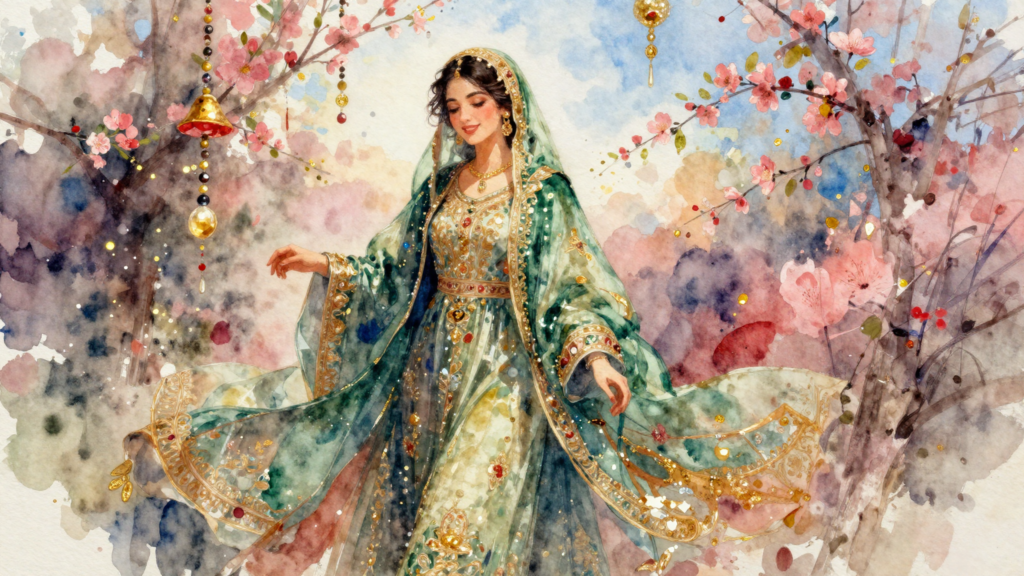
تَأَنَّقَتْ سُنَّةً لِلْعِيدِ قُلْتُ لَهَازِدْتِ الْأَنَاقَةَ مَعْنًى زَانَهُ الْعِيدُ
أَكْسَبْتِ فُسْتَانَكِ الْفَتَّانَ فِتْنَتَهُلَوْلَاكِ لَمْ يَبْدُ لِلْفُسْتَانِ تَجْسِيدُ
فَرِيدَةٌ فِي هَوَاهَا مِثْلُ طَلْعَتِهَاوَإِنْ تَهَادَتْ فَغُصْنُ الْقَدِّ أُمْلُودُ
إِذَا تَبَسَّمُ تُحْيِي مَنْ قَضَى وَلَهًاأَفْدِي تَبَسُّمَهَا، وَالدُّرُّ مَنْضُودُ
غَضِيضَةُ الطَّرْفِ مِنْ ذَوْقٍ وَمِنْ أَدَبٍفَرْعَاءُ يَصْقُلُ مَهْوَى قُرْطِهَا الْجِيدُ
طَرِيَّةٌ كَحَوَاشِي الزَّهْرِ نَاعِمَةٌلَدْنُ الْقَوَامِ، رَشِيقٌ جِسْمُهَا، رُودُ
إِذَا بَدَتْ لِي بِوَادِي الْحُبِّ مُونِقَةًتَبَرَّجَتْ وَابْتِهَاجُ الْحُسْنِ مَشْهُودُ
تَضَوَّعَتْ إِذْ دَنَتْ رَيَّا عَرَفْتُ لَهَافَلَا يُعَطِّرُهَا نَدٌّ وَلَا عُودُ
عَادَتْ أَغَارِيدُهَا فِي الْأُذْنِ سَاجِعَةًوَعَادَ حِضْنٌ لَهُ فِي الْقَلْبِ تَمْجِيدُ
فِي صَوْتِهَا سِحْرُ هَارُوتٍ وَضِحْكَتُهَاأُهْزُوجَةٌ لَا تُدَانِيهَا الزَّغَارِيدُ
يَرِفُّ قَلْبِي لَهَا وَجْدًا، وَتُنْعِشُهُأُنْسًا، وَتَسْكَرُ مِنْ وَصْلِي الْعَنَاقِيدُ
مِنْ هَمْسِهَا ذُبْتُ إِذْ قَالَتْ مُرَحِّبَةًأَهْلًا، لِيَخْجَلَ مِنْهَا اللَّحْنُ وَالْعُودُ
وَهَنَّأَتْنِي بِعِيدِ الْفِطْرِ ضَاحِكَةًيَا فِطْرَةَ الْحُسْنِ قَلْبِي فِيكِ مَعْقُودُ
عِيدِي لِقَاؤُكِ إِذْ جَادَ الزَّمَانُ بِهِفَلَيْسَ إِلَّاكِ مَنْ يَحْلُو بِهِ الْعِيدُ!
Eid, You Have Returned in the Best of States1
- Eid, in the best of states you have returned, O Eid!
For longing, in our souls, breaks into warbling melody. - And in the heart is love for a graceful girl who chose it as her own,
a love whose tender yearning surging passions stir to grief. - Fasting, in piety, kept me far from her by day;
and through the long nights, the prayer vigils2 kept her far from me. - The heart has not forgotten her since first its amulets were untied3;
since first it fluttered, the heart has lain love-stricken for her. - Nor has it found in all creation one so enchanting,
and no fair maidens are her equals in their beauty. - She dressed in her best, as custom4 bids for Eid, and I said:
“You have added meaning to elegance, a meaning graced by Eid.” - You gave your enchanting dress its own enchantment;
without you, the dress would take no shape for eyes to see. - She is matchless in her love, as in her looks;
and when she sways, her figure is a bough, tender and green. - When she smiles, she brings to life whoever died of love:
I'd give my life for that smile, its pearls strung bead by bead. - Her gaze is lowered, out of refinement and good breeding; her hair is long and full,
and her neck polishes the fall of her earring5 to a sheen. - Fresh as the edges of the petals, soft,
supple of stature, slender of body, gentle and willowy. - When she appears to me, delightful, in the valley of love,
she shows her charms, and beauty's radiant joy is there for all to see. - As she drew near, a fragrance spread that I knew for hers;
no incense and no aloeswood6 gives her that scent: she has no need. - Her warbling songs returned7, and cooed within my ear,
and an embrace returned, one that the heart extols. - Her voice has the magic of Harut8; and her laughter
is a song of joy that no festive ululations can come near. - My heart flutters for her with passion; her company revives it,
and the very grape clusters grow drunk9 on my union with her. - I melted at her whisper as she greeted me: “Welcome!”,
so that melody and lute6 are put to shame by her. - And, laughing, she wished me a happy Eid al-Fitr.
O beauty in its very nature10, my heart is bound up in you! - My Eid is meeting you, now time has freely granted it;
for none but you can make the Eid taste sweet!
Notes
- The title and first verse answer one of the most famous lines in Arabic poetry, al-Mutanabbi's bitter opening from his exile in Egypt: ʿīdun bi-ayyati ḥālin ʿudta yā ʿīdu, 'Eid, in what state have you returned, O Eid?', in which the feast brings him nothing but grief. The poet keeps al-Mutanabbi's metre and rhyme and changes one word: 'in what state' becomes 'in the best of states'. The famous lament is turned into a celebration, because this Eid brings the beloved back. ↩
- The poem is set at Eid al-Fitr, the feast that ends the month of Ramadan. During the fast, from dawn to sunset, Muslims abstain from intimacy as well as from food and drink, and the nights of Ramadan are given to extra prayer (tahajjud, the night vigil). So by day piety kept the lover away from her, and by night devotion did. ↩
- Amulets (tamāʾim) were hung on young children to protect them and taken off as they grew up. Ḥullat tamāʾimuhu, 'its amulets were untied', therefore means 'since boyhood': the love is as old as the heart's youth. ↩
- Sunna is the practice of the Prophet (PBUH), which Muslims follow as a model. Wearing one's best clothes on the day of Eid is part of that practice, so her elegance is at once personal adornment and a religious custom of the day. ↩
- Mahwā al-qurṭ, literally 'the fall of the earring', is the distance from the earlobe to the shoulder. A long, graceful neck, and so a long 'fall of the earring', is a classic mark of beauty in Arabic poetry; here her neck is so smooth and bright that it seems to polish the very space through which the earring hangs. ↩
- Nadd is a compound incense of ambergris, musk and aloeswood, and ʿūd is aloeswood (agarwood), the most prized of fragrant woods; her natural scent needs neither. In verse 17 the same word ʿūd returns in its other sense, the lute, the chief instrument of Arabic music. The play on the two meanings of one word (jinās tāmm) cannot be kept in English. ↩
- ʿĀdat, 'returned', comes from the same root as ʿīd, 'Eid', literally 'that which returns'. The repeated 'returned' in this verse echoes the title and the first verse: the feast comes back, and with it her song and her embrace. ↩
- Hārūt is one of the two angels, Harut and Marut, who according to the Qur'an taught people sorcery in Babylon (Qur'an 2:102). 'The magic of Harut' is a byword in Arabic for spellbinding enchantment. ↩
- The hyperbole reverses the usual order: grapes make men drunk, but here it is the grape clusters that are intoxicated by the lovers' union, as if love were a stronger wine than wine itself. ↩
- Fiṭr, the 'breaking of the fast' that names Eid al-Fitr, and fiṭra, 'innate nature, the form in which one is created', come from the same root. Having just been wished a happy Eid al-Fiṭr, the lover calls her fiṭrat al-ḥusn, 'the very nature of beauty', beauty in its original, created form. The echo between the name of the feast and his praise is lost in English. ↩
English translation prepared by artificial intelligence and reviewed against the Arabic for accuracy of meaning and rhetoric.