
استمع إلى القصيدة
فَدَيْتُكِ، مَا أَشْهَى حَديثَكِ مُؤْنِسَاصَبُوحَ صَبَاحِي أَوْ غَبُوقِيَ فِي الْمَسَا
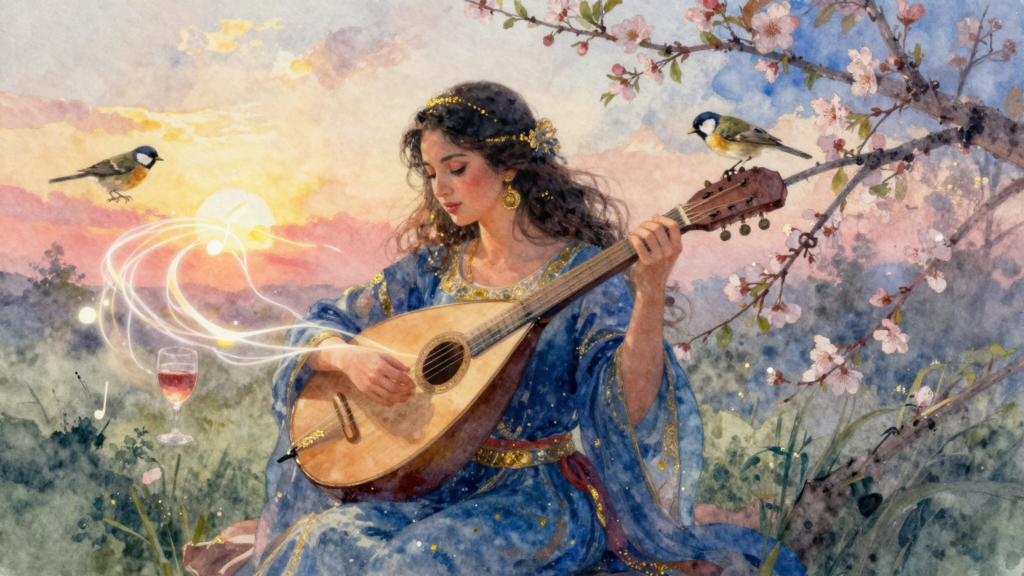
عَلَىٰ الْوَتَرِ الْحَسَّاسِ تَعْزِفُ عُودَهَافَتَسْرِي حُمَيَّاهَا لِتَذْهَبَ بِالْأَسَىٰ
كَأَنَّ عَصَافِيرَ الصَّبَاحَاتِ غَرَّدَتْحَديثَ هَوَى قَلْبٍ، فَلَيَّنَ مَا قَسَا
تَسَرَّبَ فِي الْأَعْضَاءِ، كُلُّ خَلِيَّةٍسَرَى فِي ثَنَايَاهَا، فَأَنْسَى وَآنَسَا
تَشَرّبَتِ الْأَوْصَالُ صَهْبَاءَ هَمْسِهَافَلَمْ يَبْقَ إِلَّا أَنْ تَشُمَّ وَتَلْمَسَا
حَديثُكِ يَا ذَاتَ الْمَحَاسِنِ خَمْرَةٌإِذَا مَا سَرَتْ سَرَّتْ لِتُطْرِبَ أَنْفُسَا
وَوَشْوَشَةٌ يَنْسَابُ فِي الْأُذْنِ رَاحُهَالَتَكْفِي بِأَنْ تُشْجِيكَ أَوْ أَنْ تُوَسْوِسَا
وَأَغْمَضْتُ جَفْنِي أسْتَلِذُّكِ مُجْتَنَىٰوَأَحْسَبُ قَلْبِي فِي نَعِيمِكِ قَدْ رَسَا
وَغُصْنُكِ مُلْتَفًّا بِغُصْنِي حَسِبْتُهُوَفِي سَاحِ مَغْنَاكِ افْتَرَشْتُكِ سُنْدُسَا
فَصَدْرُكِ فِي صَدْرِي ضُلُوعٌ تَأَوَّهَتْوَكَفَّايَ فِي خَصْرٍ مِنَ الْخَزِّ أَمْلَسَا
تَرَشَّفْتُ رِيقًا كَالْمُدَامَةِ مِنْ لَمًىإِذَا مَا رَشَفْنَاهُ تَمَصَّصَ وَاحْتَسَىٰ
لَقَدْ كَانَ هَذَا مِنْ حَدِيثٍ بَثَثْتِهِوَإِنْ كَانَ ذَا حُلْمًا فَيَكْفِي تَوَنُّسَا!
My Life for Yours!1
- My life for yours1! How sweet your talk, my company,
my morning draught at dawn, my evening draught at dusk2! - She plays her lute upon the tenderest string,
and its heady wine3 steals through, to take away distress. - As if the morning sparrows had sung out
the tale of a heart in love, and softened every hardness. - It seeped into my limbs; through every cell
it flowed, through all its folds; it made me forget4, and soothed my loneliness. - My limbs drank in the golden wine of her whisper,
till nothing more was left but to breathe her in, and to caress. - Your talk, O mistress of all beauties, is a wine:
whenever it flows, it gladdens5, and fills souls with happiness. - And a murmur whose wine glides into the ear
is enough to stir your longing, or to whisper you temptation6. - I closed my eyes, savouring you like fruit ripe for the picking,
and thought my heart had anchored in your bliss, at rest. - I fancied your bough entwined around my bough,
and in the courtyard of your home I made you my couch of brocade7. - Your breast upon my breast, ribs that sighed,
and my two hands upon a waist of silken smoothness. - I sipped a mouth's moisture, like wine, from dusky lips8;
and as we sipped, it sucked and drank in turn. - All this was born of the talk that you poured out;
and if it was a dream, it is company9 enough, nonetheless!
Notes
- Fadaytuki, literally ‘I have ransomed you (with myself)’, is an old Arabic expression of devotion: ‘may I be sacrificed for you’, ‘may I be your ransom’. It is the poem's first word and its title. ↩
- Ṣabūḥ is wine drunk in the morning, and ghabūq wine drunk in the evening, two fixed terms of classical Arabic wine poetry. Her talk is his wine at both ends of the day. ↩
- Ḥumayyā is the potency of wine, its first heady rush. From here on the poem sustains a single metaphor, her talk as wine: ḥumayyā, ṣahbāʾ (golden wine), khamra, rāḥ and mudāma all appear, each a classical name for wine. Here the poem speaks of her in the third person before turning back to address her. ↩
- Ansā wa-ānasā, ‘it made me forget and it kept me company’: two words of almost identical sound (jinās). Her talk makes him forget his sorrow and gives him uns, the comfort of intimacy. The same root recurs in the poem's first verse (muʾnisā, ‘keeping me company’) and its last word (tawannusā), binding the poem together. ↩
- Sarat sarrat, ‘it flowed, it gladdened’: another jinās. Sarā means to travel by night, to spread quietly through something, as wine does through the veins; sarra means to delight. ↩
- Waswasa is soft, rustling whispering, and also the whispering of temptation (the Qur'an uses it of Satan's promptings). The murmur of her voice both stirs longing (tushjī) and tempts. ↩
- Sundus is fine silk brocade, the word the Qur'an uses for the green silk garments of the people of Paradise (Qur'an 18:31). Iftarashtuki, ‘I took you as my spread’, is to lie upon something as on a bed or carpet. ↩
- Lamā is a dark, brownish-red tinge of the lips, prized in classical Arabic love poetry. Rīq, the moisture of the mouth, is conventionally likened to wine. ↩
- The last verse reveals that everything described was born of her talk and his imagination; the embrace may have been a dream. The final word, tawannusā, ‘companionship, the pleasure of intimacy’, returns to the comfort (uns) with which the poem opened: even a dream of her is company enough. ↩
English translation prepared by artificial intelligence and reviewed against the Arabic for accuracy of meaning and rhetoric.
تعليق واحد