
استمع إلى القصيدة
لَمَّا تَجَلَّتْ تَحْتَفِي بِأَنِيقِهَافَاحَ الشَّذَا وَالشَّهْدُ طَعْمُ رَحِيْقِهَا
أَبْدَى تَبَسُّمُهَا دَرَارِيَ ثَغْرِهَادُرَرًا مُنَضَّدَةً وَرَاءَ عَقِيقِهَا
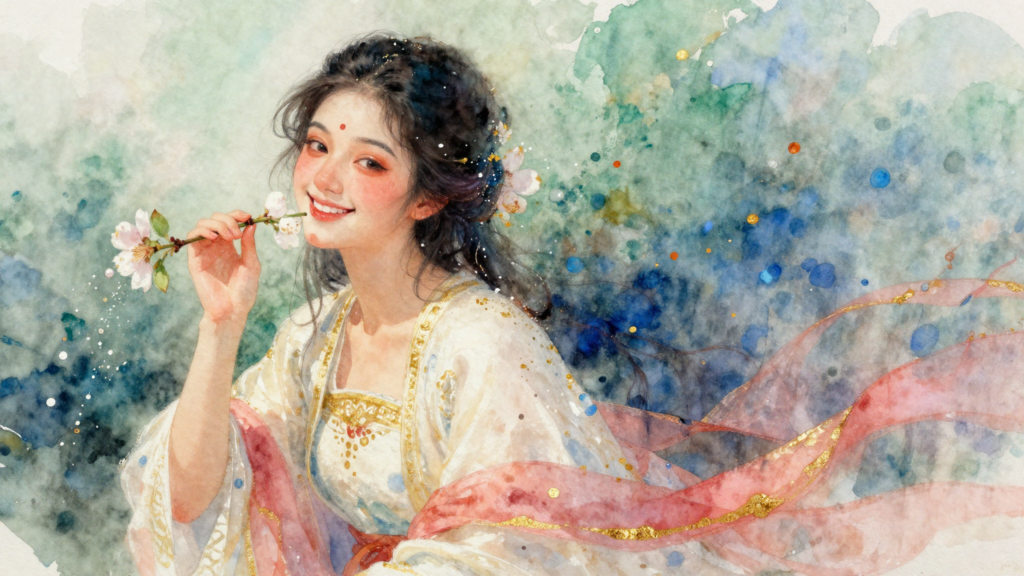
وَبِكَفِّهَا عُودُ الْأَرَاكِ تُمِرُّهُفَوْقَ اللَّآلِئِ نَاعِمًا بِبَرِيقِهَا
أَيْقَنْتُ أَنَّ أَرَاكَهَا أَحْظَىٰ بِهَامِنِّي وَأَنْعَمَ فِي تَرَشُّفِ رِيقِهَا
وَتَشَوَّفَتْ نَفْسِي لِتَنْعَمَ مِثْلَهُوَعَجَزْتُ لَا أَقْوَىٰ عَلَىٰ تَحْقِيقِهَا
قَالَتْ: «كَفَىٰ بِكَ أَنْ تَرَانِي مُتْعَةًلَا تَحْلُمَنْ!» وَيْحِي عَلَىٰ تَعْلِيقِهَا!
يَا مَنْ ظَلَمْتِ وَفَضَّلَتْ مِسْوَاكَهَاحَتَّىٰ عَلَىٰ رَشَفَاتِ ثَغْرِ عَشِيقِهَا
أَشْكُو لِقَلْبِكِ وَهْوَ أَعْدَلُ فِي الْهَوَىٰوَأَحَنُّ حِينَ يُحِسُّ ضَعْفَ رَفِيقِهَا
The Arak Twig1
- When she appeared in splendour, delighting in her grace,
the fragrance spread, and honey was the nectar on her lips. - Her smile revealed the brilliant stars2 within her mouth:
pearls set in rows, behind carnelian lips. - And in her hand, the arak twig: she runs it softly
across the pearls; it basks in their gleam as it slips. - And I was sure her arak twig was more in favour with her
than I, and far more blessed in all the sweetness that it sips. - My soul was yearning for the bliss it had,
but I was powerless: it lay beyond my grip. - She said, “Is it not pleasure enough for you to see me?
Don't dream!” And woe is me, at such a quip! - O you who wronged me! She has preferred her miswak3
even above the kisses of her lover's lips. - I bring my grievance to your heart, for it is fairer in love,
and gentler when it senses how her companion's strength has slipped.
Notes
- The arak tree (Salvadora persica) gives the twig known as the miswāk, chewed and rubbed over the teeth to clean them, a practice recommended in Islamic tradition. Arabic love poetry has long envied the miswak its place at the beloved's mouth. A famous couplet, often attributed to ʿAlī ibn Abī Ṭālib, addresses the twig in these terms, with a pun on arāk, which also means 'I see you'. The poem takes up this old motif of the rival twig. ↩
- The teeth are pearls, durar, and brilliant stars, darārī, which in Arabic nearly repeat each other in sound. The lips are ʿaqīq, carnelian, a red stone. The pearls 'behind the carnelian' are the teeth behind the red lips. ↩
- The address shifts in mid-verse from 'you' (ẓalamti, 'you have wronged') to 'she' (faḍḍalat, 'she preferred'), a turn Arabic rhetoric calls iltifāt. The speaker protests to her face, then speaks of her as if appealing to a third party, and in the last verse he appeals to her own heart against her. ↩
English translation prepared by artificial intelligence and reviewed against the Arabic for accuracy of meaning and rhetoric.