
استمع إلى القصيدة
طَلِّي عَلَيَّ بِكِلْمَةٍتُحْيِي الْفُؤَادَ الْعَاشِقَا
إِنِّي انْتَظَرْتُكِ لَيْلَتِيوَأَتَى الصَّبَاحُ مُلَاحِقَا
أَسْهَرْتِنِي وَتَرَكْتِنِينَهْبَ السُّهَادِ بِلَا لِقَا
يَا أُنْسَ رُوحِي يَا مُنَىأَهْوَى جَوَاهَا الْحَارِقَا
أَنَا إِنْ يَغِبْ عَنِّي سَنَاكِ أَعِيشُ هَمّاً ضَائِقَا
وَأَظَلُّ أَرْقُبُ طَلَّةًأَهْوَى رُؤَاهَا وَامِقَا
أَتَذَكَّرُ اللُّقْيَا وَيَبْدُوطَيْفُ حُسْنِكِ رَائِقَا
وَإِذَا بَدَا أَشْتَمُّ رِيحَكِفَاقَ عِطْراً عَابِقَا
يَبْدُو لِعَيْنِي مُسْتَهَاماًأَحْتَوِيهِ مُعَانِقَا
وَيَضُمُّنِي فِي الصَّدْرِيَرْشُفُ مِنْ رُضَابِي لَاعِقَا
وَأَنَا أَزِيدُ بِلَثْمِهِفِي الْجِيدِ لَثْماً لَائِقَا
دَأْبُ الْمَشُوقِ إِذَا الْتَقَىيَوْماً مُحِبّاً شَائِقَا
مُتَلَطِّفاً مُتَرَفِّقاًفِي كَسْبِ وُدِّكِ فَائِقَا
مُتَفَنِّناً مُتَحَنِّناًمِنْ عَذْبِ رِيقِكِ ذَائِقَا
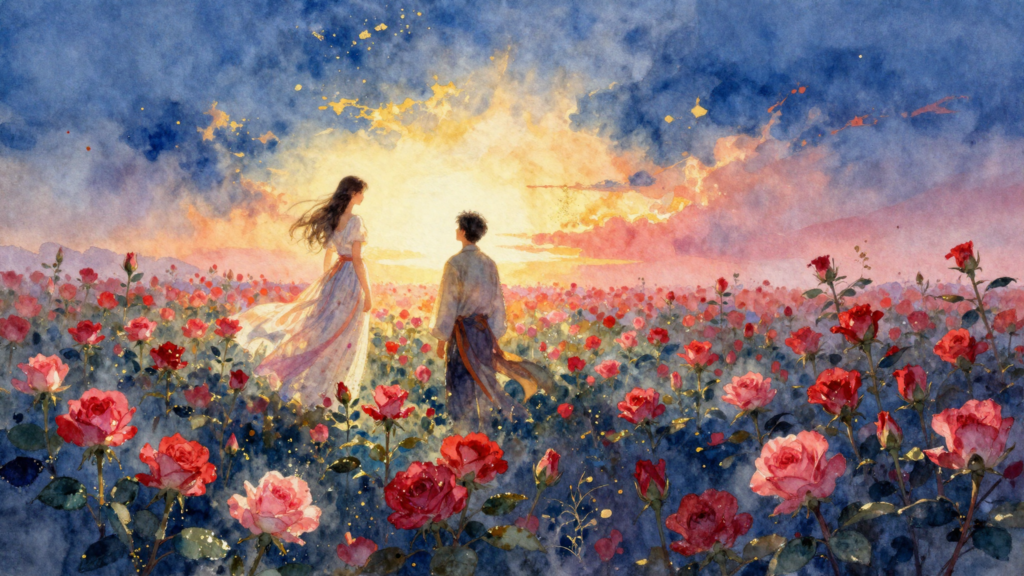
وَأَرَاكِ حَقْلاً مِنْ وُرُودِالْحُبِّ مَدَّ حَدَائِقَا
تَتَوَرَّدِينَ فَتَبْهَرِينَوَتُزْهِرِينَ زَنَابِقَا
تَتَدَفَّقِينَ نَوَافِراًتَرْوِي فُؤَادِي التَّائِقَا
بِسَخَائِكِ الْمَعْهُودِ يَبْقَىالنَّهْرُ دَوْماً دَافِقَا
إِنِّي عَطِشْتُ لِرِيِّنَهْرِكِ فَاسْقِنِيهِ عَاشِقَا
Look In On Me1
- Look in on me with just a word
to bring to life a lover's heart. - I waited for you all night long;
the dawn pursued it hard. - You kept me wakeful, left me prey
to sleeplessness, and kept apart. - O solace of my soul, my wish,
I love its ache, its searing smart. - When your bright radiance leaves my sight,
I live in grief that hems my heart, - and still I watch for one brief glimpse,
in love, and longing for the sight. - I call to mind our meeting; then
your beauty's phantom2 comes, serene. - And when it comes, I breathe your scent,
more heady than the rarest perfume. - It comes before my eyes, itself lovesick,
and I enfold it in my arms. - It holds me to its breast, and sips
and tastes the nectar3 of my lips, - while I return each kiss with more
upon its neck, as fits the part. - Such is the yearning lover's way4
on meeting one who stirs his heart: - all gentleness and tender care,
unmatched at winning your regard, - so artful and so loving, one
who tastes the sweetness of your mouth. - I see you as a field of roses
of love, that spreads in gardens wide. - You flush like roses5, and you dazzle,
and blossom into lilies. - You gush in fountains, and they slake
the thirst of my own yearning heart. - Through bounty you are known for, still
the river flows, and never stops. - I thirst to drink your river deep:
so pour it out for me, your lover.
Notes
- The verb ṭallī means 'look out on me, show yourself to me', as a face appears at a window or over a balcony. The same root gives ṭall, the light dew or drizzle that revives plants, and ṭalla, a glimpse or appearance, which returns in verse 6. The call for a single reviving 'word' draws on both senses: a brief appearance that falls on the heart like dew. ↩
- Ṭayf, the phantom of the beloved that visits the lover by night, is a central motif of classical Arabic love poetry. Here the phantom is summoned by memory and behaves as the beloved herself would: it has a scent, it embraces and it kisses. ↩
- Ruḍāb is the moisture of the mouth, a word that classical love poetry uses for the sweetness of the beloved's lips and kisses, often likened to honey or wine. Here the roles are reversed: it is the phantom that sips from the lover's lips. ↩
- The verse steps back from the particular night to state a general truth, and verses 13 and 14 describe this 'yearning lover'. In them the address slips into 'your', so that the general portrait of the lover turns, without notice, back to the beloved being spoken to. ↩
- Tatawarradīna, 'you turn rose-coloured', is formed from ward, 'rose'. It means to blush, and at the same time continues the image of the preceding verse: the woman is the field of roses, and her blush is its flowering. ↩
English translation prepared by artificial intelligence and reviewed against the Arabic for accuracy of meaning and rhetoric.