
استمع إلى القصيدة
ثِقِي يَا مَرَامِي بِأَنِّي أُحِبُّكْوَقَلْبِي يَحِنُّ كَمَا حَنَّ قَلْبُكْ
ثِقِي بِي حَبِيباً يَؤُوبُ إِلَيْكِإِذَا جَنَّ لَيْلٌ لِيَلْتَامَ نَدْبُكْ
وَمَهْمَا تَبَاعَدْتُ عَنْ نَاظِرَيْكِفَمِلْءُ عُيُونِي رُؤَاكِ وَقُرْبُكْ
فَلَمْ يَحْلُ فِي مُقْلَتَيَّ الرُّقَادُ مُنْذُ تَبَاعَدَ دَرْبِي وَدَرْبُكْ
سَئِمْتُ انْتِظَاراً أَبِيتُ اللَّيَالِيأَعُدُّ النُّجُومَ أَفُكُّ وَأَشْبِكْ
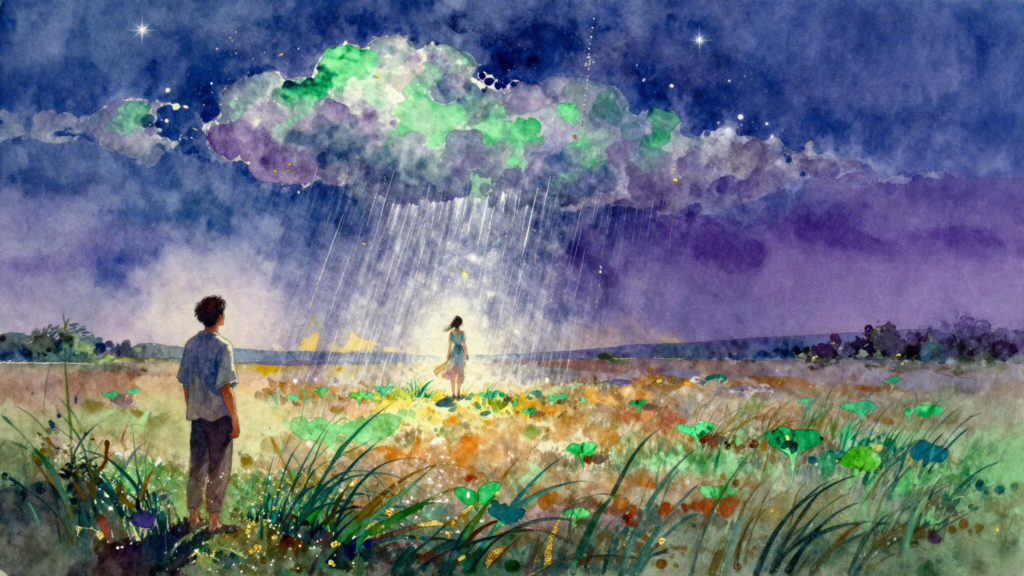
أَظَلُّ بِجَدْبِي أَشِيمُ الْغُيُومَوَأَرْقُبُ أَيَّانَ تُمْطِرُ سُحْبُكْ
وَأَرْصُدُ كُلَّ الصَّحَارِي مُجِدّاًلِأَعْرِفَ أَيْنَ سَيَنْبُتُ عُشْبُكْ
أَنَا إِذْ أَجُوعُ فَأَنْتِ غِذَائِيوَإِمَّا ظَمِئْتُ فَسُقْيَايَ شُرْبُكْ
إِذَا مَالَ غُصْنِي إِلَيْكِ انْجَذَبْتِفَمَا كَانَ أَحْلَاهُ جَذْبِي وَجَذْبُكْ
مَضَتْ بِي لَيَالِي الْوِصَالِ وَدَأْبِيارْتِشَافُ كُؤُوسِ الْغَرَامِ وَدَأْبُكْ
فَكَيْفَ يَصِيرُ شَمَالِي جَنُوباًوَيُصْبِحُ شَرْقِي مِنَ الْكَوْنِ غَرْبُكْ
أَحِنُّ إِلَيْكِ زُلَالاً نَمِيراًفَأَعْذَبُ مَا مَرَّ بِالنَّفْسِ عَذْبُكْ
شَكَوْتِ إِلَيَّ وَإِنِّي لَأَشْكُوإِلَيْكِ حَنِينِي لِيَرْأَفَ قَلْبُكْ
وَلَمْ أَرَ مِثْلَكِ إِذْ تَرْأَفِينَفَرُحْمَاكِ قَدْ كَادَ يَهْلِكُ صَبُّكْ
رَجَائِي لِفَكِّ عَنَائِيَ رَبِّيوَأَنْتِ يَفُكُّ عَنَاءَكِ رَبُّكْ
وَإِنْ كَانَ لَيْسَ لَنَا مِنْ سَبِيلٍلِلُقْيَا فَرَبُّكِ حَسْبِي وَحَسْبُكْ
Just As Your Heart Has Yearned!
- Be sure, my heart's desire1, I love you,
and my heart yearns, as your heart has yearned too. - Trust in me as one who loves and will return
when night falls dark, to close the wound in you. - However far I've gone beyond your sight,
my eyes are brimming with your image and your nearness too. - Sleep has not once been sweet upon my eyes
since my road and your road were split in two. - Weary of waiting, I spend night after night
counting the stars, unknotting them and knotting them anew2. - Still in my drought, I watch the clouds for lightning3
and wait to see when rain from your clouds is due. - I keep a diligent watch on every desert
to learn where your grass will spring into view. - When I go hungry, you become my food;
and when I thirst, my quenching is to drink of you. - When my bough leaned toward you, you were drawn:
how sweet it was, as I drew you, and you drew! - The nights of union carried me along,
and sipping cups of love, my habit, was yours too. - So how can my north be turned to south,
and my east become, in all the universe, your west?4 - I long for you as for pure, sweet water:
the sweetest the soul has tasted is the sweetness of you. - You brought me your complaint; and I complain
to you of longing, so your heart may soften too. - I have seen none like you when you show pity:
have mercy, for your lovesick one is close to death. - My hope to loose my hardship is my Lord;
your hardship, too, your Lord will loose for you. - And if there is no way for us to meet,
your Lord suffices me, and suffices you.5
Notes
- Marāmī means literally 'my aim, the goal I seek', from a root meaning to desire and strive for: the beloved is addressed as the object of all his seeking. ↩
- Counting the stars through the night is the classic occupation of the sleepless lover in Arabic poetry. 'Unknotting and knotting' (afukku wa-ashbiku) suggests a man who keeps losing count, undoes his reckoning and starts again, or who joins the stars into figures and pulls them apart, anything to fill the empty hours. ↩
- Ashīmu, from shaym, is the old desert practice of watching distant lightning to judge where rain will fall. The lover pictures himself as parched land, the beloved as a rain-cloud whose showers are her closeness and generosity; the next verse carries the image on to the grass that springs up where rain has fallen. ↩
- The question is rhetorical and denies what it asks: how could we, who were one, become opposites, as far apart as north from south and east from west? It can also be read as a lament over physical distance, since the earlier verses dwell on the lovers' separation: how did my place come to lie at the far end of the world from yours? ↩
- Ḥasbī wa-ḥasbuki rabbuki, 'your Lord is sufficient for me and for you', echoes the Qur'anic formula of trust, ḥasbunā Allāhu wa-niʿma al-wakīl, 'God is sufficient for us, and how excellent a guardian' (Qur'an 3:173). The previous verse sets 'my Lord' beside 'your Lord' with the same verb, 'loosen', repeated for each; here the two strands are joined in a single Lord who suffices for both. ↩
English translation prepared by artificial intelligence and reviewed against the Arabic for accuracy of meaning and rhetoric.