
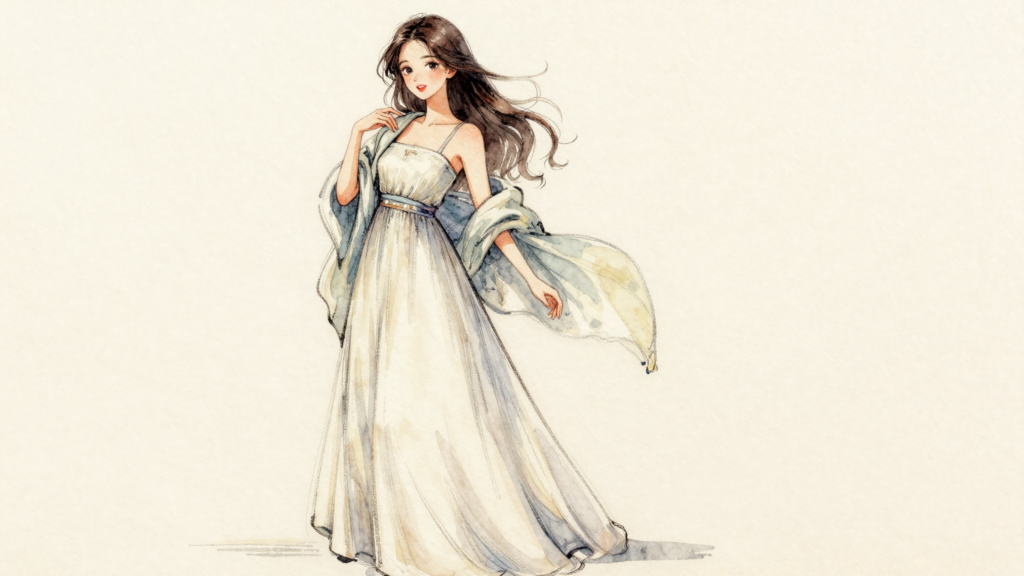
هذهِ قصةٌ خياليةٌ لا أساسَ لها من الصحةِ لكنها تحدٍّ لأحدِ شعراءِ العربيةِ بالصومالِ حيثُ كتبَ قصيدةً مكشوفةً، فأردتُ أن أبرهنَ لهُ أنّ بالإمكانِ كتابةَ القصيدةِ بنفسِ المعاني ولكنْ بثوبٍ شفّافٍ وكلماتٍ غيرِ فاضحة:
بَرَاوِيَةٌ مَاسَتْ بِخَطْوٍ مُوَقَّعِكَنَقْرٍ عَلَى دُفٍّ بِكَفٍّ وَإِصْبَعِ
تَهَادَتْ كَمِثْلِ الطَّيْفِ يَزْهُو دَلَالُهَاوَيَهْفُو فُؤَادِي لِلدَّلَالِ الْمُقَنَّعِ
وَتَرْنُو إِلَيْنَا فِي اخْتِلَاسٍ بِطَرْفِهَاوَنَبْضَاتُ قَلْبِي رَنَّحَتْ كُلَّ مَوْضِعِ
وَتَبْسِمُ لِي حَتَّى إِخَالُ كَأَنَّمَاقُمَيْرٌ بَدَا لِي بَيْنَ أَحْسَنِ مَطْلَعِ
بِلَعْسِ لَمَاهَا أَسْفَرَتْ عَنْ عَجِيبَةٍثَنَايَا كَزَهْرِ الْأُقْحُوَانِ الْأَنْصَعِ
وَخَدَّيْنِ كَالتُّفَّاحِ لَمْ أَدْرِ هَلْ أَنَاتَمَنَّيْتُ لَثْمَ الْخَدِّ أَمْ قَطْفَ مُمْرِعِ
وَيَا رَوْعَةَ الْعَيْنَيْنِ تَبْدُو حَفِيفَةًسَفَائِنُ حُبٍّ فِيهِمَا بِتَوَلُّعِ
وَيَسْبِي فُؤَادَ الصَّبِّ حُسْنُ قَوَامِهَاوَيُغْرِي شَذَاهَا كُلَّ قَلْبٍ مُوَلَّعِ
فَشَجَّعْتُ نَفْسِي وَاطَّرَحْتُ تَعَفُّفِيوَنَادَيْتُهَا سِرّاً بِطَرْفَةِ إِصْبَعِ
فَجَاءَتْ تُلَبِّينِي بِلُطْفٍ وَخِفَّةٍوَعَطْفٍ مِنَ الْوَجْهِ الصَّبُوحِ الْمُبَرْقَعِ
فَقُلْتُ لَهَا أَهْلاً وَسَهْلاً وَمَرْحَباًبِسَالِبَتِي عَقْلِي وَقَلْبِي وَمَسْمَعِي
وَمَنْ لَمْ تَدَعْنِي مُسْتَفِيقاً بِسُكْرِهَاوَرَاحَتْ بِلُبِّي الشَّارِدِ الْمُتَضَعْضِعِ
فَقَالَتْ أَلَا هَوِّنْ عَلَيْكَ فَمَا أَرَىحَدِيثَكَ إِلَّا نَافِذاً فِي مَسْمَعِي
وَمَا لِي اقْتِدَارٌ بِالْهَوَى وَجُنُونِهِوَمَا سَوْفَ يَجْرِي مِنْ سَخِينِ الْأَدْمُعِ
وَلَا بِي اقْتِدَارٌ لِلْفِرَاقِ يُذِيبُنِيوَيُشْعِلُ نَارَ الْوَجْدِ مِنْ بَيْنِ أَضْلُعِي
وَيَحْرِمُنِي مِنْ لَذَّةِ النَّوْمِ بُرْهَةًوَيُوقِظُ فِكْرِي حِينَ آوِي لِمَضْجَعِي
فَقُلْتُ اسْلَمِي ذَاتَ الْمَفَاتِنِ وَالْحِجَىقَضَى اللهُ فِي قَلْبِي فَلَا تَتَمَنَّعِي
أَهَذَا قِرَى ضَيْفٍ أَتَاكِ مُتَيَّماًأَرَدْتِ اخْتِبَارِي أَمْ أَرَدْتِ تَضَرُّعِي؟
تَصُدِّينَنِي عَنْ مَنْهَلِ الْحُسْنِ وَالْهَوَىوَقَلْبِيَ ظَمْآنُ وَحُبُّكِ مَنْبَعِي
وَسَاءَلْتُهَا مَاذَا يَضُرُّكِ إِنْ أَنَاهَوَيْتُكِ أَوْ جَاوَبْتِ دُونَ تَذَرُّعِ
فَرَدَّتْ بِتِيهٍ بَعْدَمَا افْتَرَّ ثَغْرُهَاوَهَلْ تَسْتَرِيحُ النَّفْسُ إِنْ لَمْ تُدَلَّعِ
فَدَعْنِي إِذاً أُرْضِي غُرُورِي هُنَيْهَةًوَغَازِلْ وَأَيْقِظْ حِسَّ قَلْبِي وَلَوِّعِ
وَلَا تَحْرِمَنِّي مِنْ حَدِيثِكَ شَيِّقاًوَلَا تَسْتَحِ مِنِّي وَلَا تَتَوَرَّعِ
فَمَا الْحُبُّ لِلْعَذْرَاءِ مِثْلِي سِوَى مُنًىتُعَانِقُ جَنْبَيْهَا وَأَحْلَامُ مَهْجَعِ
وَمَا الشَّوْقُ وَالنَّجْوَى وَمَا الْهَمْسُ وَالضَّنَىوَمَا السُّهْدُ وَالتَّفْكِيرُ إِلَّا تَطَلُّعِي
هَلُمَّ إِلَى دَارِي لِتَشْرَبَ شَايَنَاوَنَسْكَرَ بِالْهَمْسِ الْمُبَاحِ الْمُنَعْنَعِ
نَذُوقُ هُنَيْهَاتٍ مِنَ السَّعْدِ وَالْهَنَاهُنَيْهَاتِ أُنْسٍ فِي لَذَاذَةِ مَرْتَعِ
فَقُلْتُ لَهَا هَيَّا وَأَمْسَكْتُ كَفَّهَاكَأَنَّا بِنَا فَوْقَ السَّحَابِ وَلَمْ نَعِ
وَحِينَ وَصَلْنَا دَارَهَا بَعْدَ لَهْفَةٍتَهَيَّبْتُ حَتَّى قُلْتُ أَيْنَ تَمَنُّعِي
تُسَمِّرُنِي التَّقْوَى وَيَدْفَعُنِي الْهَوَىفَآهٍ عَلَى قَلْبِي الشَّتِيتِ الْمُوَزَّعِ
فَلَمْ أَدْرِ إِلَّا أَنَّنِي جُزْتُ بَابَهَاوَتَحْضُنُنِي الْأَطْيَابُ مِنْ كُلِّ مَوْضِعِ
وَقَالَتْ أَلَا فَاصْبِرْ قَلِيلاً فَإِنَّنِيسَآتِيكَ بِالْحَلْوَى وَبِالْكَعْكِ أَجْمَعِ
فَقُلْتُ لَهَا صَبْرِي يَعِيلُ بِسُرْعَةٍسَأَذْهَبُ غَضْبَاناً وَإِلَّا فَأَسْرِعِي
تَمَخْتَرُ فِي دَلٍّ بِثِقْلِ رِدَافِهَاوَثَوْرَةِ نَهْدَيْهَا وَحُسْنِ التَّدَفُّعِ
وَعَادَتْ بِشَايٍ ثُمَّ حَلْوَى وَكَعْكَةٍوَقَالَتْ تَفَضَّلْ يَا حَبِيبُ تَمَتَّعِ
فَقُلْتُ لَهَا حَسْبِي انْتِشَاءً وَمُتْعَةًلِقَاؤُكِ يَا أَشْهَى الْمُنَى وَالتَّدَلُّعِ
بَسَطْتُ يَدِي الْيُمْنَى لِأَرْشُفَ شَايَهَافَقَالَتْ حَذَارِ الشَّايُ حَارٌّ كَأَدْمُعِي
فَقُلْتُ لَهَا قَلْبِي أَشَدُّ حَرَارَةًمِنَ الشَّايِ يَا هَذِي وَلَسْتُ بِمُدَّعِ
تَذَوَّقْتُ حَلْوَاهَا وَأَتْبَعْتُ قِطْعَةًمِنَ الْكَعْكِ.. مَا أَحْلَاهُ بَعْدَ التَّقَطُّعِ
تُؤَاكِلُنِي مِمَّا أَذُوقُ وَتَشْتَهِيمَزِيداً مِنَ اللَّذَّاتِ دُونَ تَوَرُّعِ
وَظَلَّتْ تُنَاجِينِي بِحُلْوِ حَدِيثِهَاوَنَرْشُفُ كَأْسَ الْحُبِّ فِي خَيْرِ مَخْدَعِ
إِلَى أَنْ نَهَلْنَا وَارْتَوَيْنَا مِنَ الْهَوَىوَدَارَتْ كُؤُوسُ الْوَصْلِ دُونَ تَمَنُّعِ
فَقُمْتُ وَنَفْسِي لَا تُرِيدُ فِرَاقَهَاأَجُرُّ خُطىً لَمْ تَدْرِ فِي أَيِّ مَوْقِعِ
وَوَدَّعْتُهَا وَالْقَلْبُ يُضْرِمُهُ الْجَوَىوَعِنْدِي أَشَدُّ الْحُبِّ حُبُّ الْمُوَدِّعِ
تُوَدِّعُنِي عَبْرَى الْعُيُونِ كَئِيبَةًتَقُولُ وَدَاعاً يَا مُثِيرَ تَوَلُّعِي
مقديشو — 28/7/1989م
A Woman of Barawa1
This is an imaginary story with no basis in fact. It is a challenge to one of the Arabic-language poets of Somalia, who had written an explicit poem. I wanted to prove to him that a poem can be written with the same meanings, but in a sheer garment and in words that expose nothing2:
- A woman of Barawa swayed past with measured step,
like palm and finger tapping on a tambourine3. - She glided like a phantom, proud in her coquettish grace,
and my heart yearns for coquetry veiled modestly. - She steals a glance at us from the corner of her eye,
and my heartbeats set every place reeling drunkenly. - She smiles at me until I fancy that
a little moon has risen, in the loveliest rising, just for me. - Through the dusky red of her lips4 she disclosed a wonder:
front teeth like chamomile flowers, the whitest there could be. - And cheeks like apples: I could not tell whether I
longed to kiss the cheek, or pluck fruit from a laden tree. - And O, the splendour of her eyes! In them appear,
rustling5, ships of love that sail on ardently. - The lover’s heart is captured by the beauty of her form,
and her fragrance lures on every heart that loves to the point of agony. - So I took courage, and cast my restraint aside,
and with a flick of my finger beckoned her secretly. - She came in answer, gently and lightly,
with kindness in her bright, veiled face6, turned towards me. - I said to her: “Welcome, welcome, and welcome again7
to her who stole my mind, my heart, my hearing, all from me, - to her who would not let me wake from the drunkenness she brings,
but carried off my wits, astray and shaken utterly.” - She said: “Be easy, calm yourself; for, as I see,
your words go nowhere but straight into my ear. - But I have no power over love and all its madness,
nor over the scalding tears that are yet to be, - nor strength to bear the parting that would melt me away
and kindle the fire of passion between my ribs, - and rob me for a while of all the sweetness of my rest,
and wake my thoughts whenever I lie down to sleep.” - I said: “Peace be with you8, lady of charms and good sense!
God has decreed this in my heart, so don’t hold back from me. - Is this the hospitality9 you give a guest who came love-struck?
Did you mean to test me, or to have me plead on bended knee? - You turn me from the watering-place of beauty and of love,
while my heart is thirsting, and your love’s the spring for me.” - And I asked her: “What harm would it do you, if I
loved you, or if you answered me without excuse or plea?” - She answered proudly, when her lips had parted in a smile:
“And can a soul find rest, unless it’s pampered10 tenderly? - So let me, then, indulge my vanity a while:
court me, and wake the feeling in my heart, and set it burning. - Do not deprive me of your talk, delightful as it is;
do not be shy with me, and spare me your propriety. - For love, to a maiden such as me, is nothing but wishes
that clasp her sides, and dreams upon her bed. - And what are longing, whispering, murmuring and pining,
sleeplessness and brooding, but my eager curiosity? - Come to my house and drink our tea,
and let us grow drunk on whispers, lawful and mint-sweet11. - Let us taste a few moments of happiness and joy,
moments of intimacy, in a sweet haven, carefree.” - I said to her: “Let’s go!” and took her hand;
it was as if we walked above the clouds, lost in a reverie. - And when, after eager haste, we reached her house,
I was seized with awe, and asked: where’s the restraint I had in me? - Piety nails me to the spot, and desire drives me on12:
oh, for my heart, so scattered and so torn! - I knew no more, until I found I had passed through her door,
and scents from every corner came to embrace me. - She said: “Just wait a little, for I’ll bring to you
sweets, and cakes as well, a whole variety.” - I said to her: “My patience is fast running out;
I’ll go off in a huff, unless you hurry back to me!” - She sways away coquettishly, with the weight of her hips,
the swell of her breasts, and her gait in its flowing beauty. - And she came back with tea, then sweets, and a cake,
and said: “My love, enjoy yourself; please, feel free!” - I said to her: “It’s rapture and delight enough for me
to meet you, sweetest of desires and of coquetry!” - I reached my right hand out to sip her tea;
she said: “Careful! The tea is hot, as hot as my tears.” - I said to her: “My heart is hotter, my dear,
than this tea, and there is no pretence in me.” - I tasted her sweets, and followed them with a piece
of cake: how sweet, once cut, it proved to be13! - She eats with me from what I taste, and craves
still more of its delights, unreservedly. - She went on whispering her sweet talk to me,
and we sipped the cup of love in the finest of chambers, - until we’d drunk our fill, and slaked our thirst for love,
and the cups of union circled round, unrefused, and free. - Then I rose, my soul unwilling to part from her,
dragging steps that did not know where they would be. - I bade her farewell, my heart set ablaze by passion;
to me, the fiercest love is the love of one who’s taking leave14. - She bids me farewell, her eyes in tears, her heart in sorrow,
saying: “Farewell, you who stirred such ardour up in me!”
Mogadishu, 28 July 1989
Notes
- Barāwiyya means 'a woman of Barawa' (Brava), the poet's birthplace, an old port town on the southern coast of Somalia, with a distinctive urban culture and its own language, Chimwiini, close to Swahili. The title names her by her town alone, as the first word of the poem does. ↩
- Thawb shaffāf, 'a transparent garment', is itself a playful image: the poem is to be clothed, yet the clothing lets the meaning show through. Everything that the explicit poem said openly is meant to be seen here through a veil. ↩
- The daff is a large frame drum, like a tambourine, played with the palm and the fingers at weddings and celebrations along the Somali and Swahili coast. Her step is muwaqqaʿ, 'measured, rhythmic', keeping time like that drumming. ↩
- Laʿs is a dusky, dark-reddish tinge of the lips, and lamā a darkness of the lips, both praised in classical Arabic poetry. The white front teeth shine against them, compared, as in classical verse, to the petals of the uqḥuwān, the white chamomile or daisy. ↩
- Ḥafīfa is 'rustling', the sound of wind in leaves or of a ship's sails, so the ships of love seem to glide through the eyes, as though the eyes were seas. The word may also be a slip for khafīfa, 'light, swift', which differs from it by a single dot and would give 'ships of love appear in them, gliding swiftly'. ↩
- Ṣabūḥ describes a face bright and fresh as the morning; mubarqaʿ means 'veiled', covered by the burquʿ, a face-veil. The face shines out even from behind its veil, a small image of the whole poem's method. ↩
- Ahlan wa-sahlan wa-marḥaban is the fullest Arabic formula of welcome, with each word a welcome in itself: 'you have come to your family, to level ground, to open space'. ↩
- Islamī, 'may you be safe', is an old poetic greeting addressed to a woman or to her dwelling. Ḥijā is intelligence, sound judgement: she has both charms and good sense. ↩
- Qirā is the hospitality owed to a guest, above all food and shelter, a sacred duty in Arab custom. The lover complains that he came to her door as a guest and has been refused his due. ↩
- Tudallaʿ means 'to be pampered, spoilt, indulged', a colloquial-sounding word in the mouth of a young woman. It carries her playful vanity: she wants to be wooed before she yields. In verse 25, taṭalluʿ is eager looking-forward: a maiden's curiosity about a love she has only dreamed of. ↩
- Shāy munaʿnaʿ is mint tea. Here it is the whispering itself that is munaʿnaʿ, 'minted', and it is mubāḥ, 'permitted, lawful', so that even the intoxication she offers claims to be innocent. The whole visit, with its tea, sweets and cakes, is the 'sheer garment' promised in the preface. ↩
- Taqwā is piety, the fear of God that guards a person against sin. The verse sets it against hawā, desire, in a balanced contrast (muqābala): one force nails him to the spot, the other drives him forward. ↩
- Here, as in the verses that follow, the innocent scene of a tea party (the sweets, the cake that is sweeter once cut, the cup of love, the finest of chambers, 'the cups of union') carries a second meaning, the intimacy that the explicit poem named outright. This is the transparent veil that the preface speaks of: the words expose nothing, while the meaning shows through. ↩
- The lover says that love is never stronger than at the moment of parting. The verse carries the air of a maxim, a closing line that can stand on its own. ↩
English translation prepared by artificial intelligence and reviewed against the Arabic for accuracy of meaning and rhetoric.