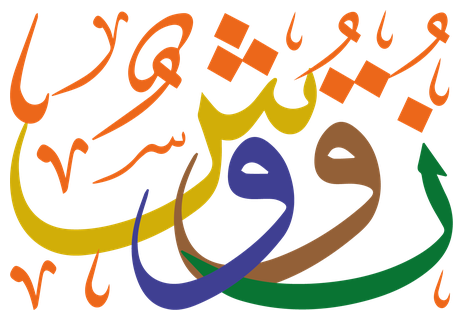

وَرْدَتِي زِينَةَ الرُّبَى إِنْ تَلُوحِييَعْبَقُ الْعِطْرُ فِي الذُّرَى وَالسُّفُوحِ
وَرْدَتِي أَنْتِ سِرُّ بَهْجَةِ نَفْسِيمُنْيَتِي، بَلْسَمِي، وَرَاحِي، وَرُوحِي
أَنَا آتٍ إِلَيْكِ أَحْمِلُ أَشْوَاقَ ابْتِسَامِي، وَدَمْعَتِي، وَجُرُوحِي
فِي طَرِيقِي إِلَيْكِ يَغْرِزُنِي الشَّوْكُ، فَهَلْ تَسْمَعِينَ أَصْدَاءَ نَوْحِي
بَيْنَنَا فِي الصُّدُورِ سِرٌّ كَبِيرٌلَا تَبُوحِي بِسِرِّنَا لَا تَبُوحِي
فِي الصَّبَاحِ الْعَلِيلِ إِذْ هُوَ وَافَىوَرْدَتِي عَانِقِي النَّدَى وَاسْتَرِيحِي
فِي النَّسِيمِ الْخَفِيفِ هَمْسِي وَحُبِّيوَالْمِسِي الشَّوْقَ فِي الْهَبُوبِ الْجَمُوحِ
رُبَّمَا أُبْصِرُ الزُّهُورَ حَوَالَيْــكِ تُنَاغِي إِحْسَاسَ قَلْبِي الْجَرِيحِ
هَلْ تَغَارِينَ وَرْدَتِي؟ لَا تَغَارِيمِنْ زُهُورٍ تَعِيشُ مِنْ غَيْرِ رُوحِ
عِطْرُكِ الْحُبُّ قَدْ فَشَا فِي فُؤَادِيفَامْنَعِي بَعْدَهُ الشَّذَى أَوْ فَفُوحِي
صَمْتُكِ الْهَمْسُ قَدْ كَفَانِي حَدِيثاًفَاكْتُمِي عَنِّيَ الْهَوَى أَوْ فَبُوحِي
لَثَمَتْكِ الْعَيْنَانِ قَبْلَ شِفَاهِيفَسَوَاءٌ إِنْ تَمْنَحِي أَوْ تُزِيحِي
وَافْتِرَارُ النُّضَارِ فِي ثَغْرِكِ الْعَذْبِ ابْتِسَامُ الْحَيَاةِ بِالْحُبِّ يُوحِي
فِتْنَةٌ كُلُّهَا مَرَائِيكِ سِحْرٌوَخَيَالَاتُهَا بَعِيدَاتُ سُوحِ
عَبْقَرِيُّ اللُّغَى حَدِيثُكِ لَكِنْدُونَ نُطْقٍ وَذَاكَ سِرُّ الْوُضُوحِ
My Rose
- My rose, the jewel of the hills: whenever you appear,
on summit and on slope the scents of fragrance rise. - My rose, you are the secret of my soul’s delight:
my wish, my balm, my wine, my very soul1. - I am coming to you, and I carry all the longings
of my smile, and of my tears, and of my wounds. - On my way to you the thorns2 are piercing me:
can you hear the echoes of my mourning cries? - Between us, in our breasts, there lies a mighty secret:
do not reveal our secret, no, do not reveal it! - In the soft, languid3 morning, when it comes,
embrace the dew, my rose, and take your rest. - In the light breeze are my whispers and my love:
feel the longing in the headstrong gust that bolts and flies. - Perhaps I see the flowers all around you
cooing4 to the feelings of my wounded heart, like lullabies. - Are you jealous, my rose? Do not be jealous
of flowers that live their lives without a soul inside. - Your fragrance, which is love, has spread5 through my heart:
so hold back your scent from now on, or let it rise. - Your silence, which is whispering, has been speech enough for me:
so hide your love from me, or speak it out. - My eyes have kissed you sooner than my lips:
so give, or turn away: it is all one in my eyes. - And the gold6 that flashes as your sweet mouth parts
is life itself that smiles, and love is what it signifies. - Enchantment, all of it: each sight of you is magic,
and the visions that it leaves range out to distant skies. - Your speech has genius7 in every tongue, and yet
it has no utterance, and that is where its clearness lies.
Notes
- Rāḥī wa-rūḥī, ‘my wine and my spirit’: two words that differ only in a vowel, a sound-play (jinās) typical of Arabic love poetry. Rāḥ is wine, and so intoxication and joy; rūḥ is the soul, life itself. The same root also gives rāḥa, ‘rest, ease’, which the ear catches as well. ↩
- The rose’s thorns become the pains of love: whoever goes to the rose must be pricked by it. The lover’s wounds in the previous verse are thus given a cause. ↩
- Al-ṣabāḥ al-ʿalīl, literally ‘the ailing morning’. In Arabic poetry ʿalīl (‘sickly, faint’) is the stock epithet of the gentle dawn breeze, whose softness is likened to the weak breath of an invalid. It means a morning cool, mild and hushed, not a sick one. ↩
- Tunāghī means to talk softly and tenderly, as a mother babbles to her baby. The surrounding flowers seem to coo to the poet’s wounded heart; the next verse turns this into the rose’s possible jealousy. ↩
- This verse and the next two share the same turn: what she might give or withhold no longer matters, because the poet already has it. Her fragrance is already in his heart, her silence already speaks, his eyes have already kissed her. ↩
- Iftirār is the parting of the lips in a smile that shows the teeth, and naḍār is pure gold; the phrase pictures the bright flash of her smile. Naḍār also echoes naḍāra, ‘bloom, radiant freshness’, so the smile is both golden and fresh. ↩
- ʿAbqarī, ‘of genius’, is said to derive from ʿAbqar, a legendary valley of the jinn, and so first meant anything marvellous or uncanny in its excellence. The paradox of the closing verse is that the rose speaks every language perfectly without saying a word: her meaning is plain precisely because it needs no speech. ↩
English translation prepared by artificial intelligence and reviewed against the Arabic for accuracy of meaning and rhetoric.