
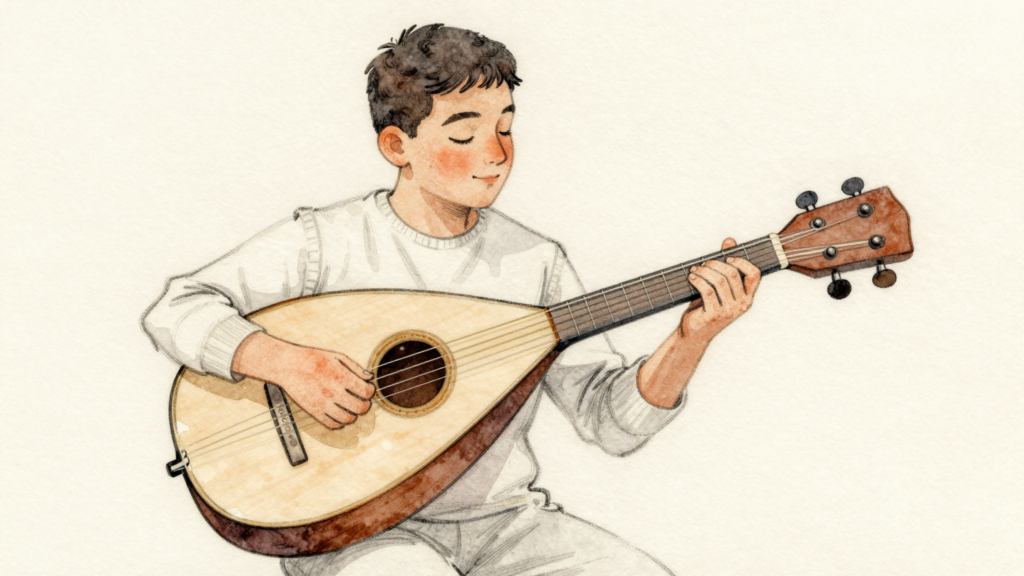
في صراعٍ مريرٍ بينَ نفسيَ الأمّارةِ بالسوءِ… وقلبيَ المتمسّكِ بالوفاءِ للحبِّ الخالدِ فيهِ انتصرَ فيهِ الحبُّ والوفاءُ فكانتْ هذهِ القصيدة:
يَا فُؤَادِي لَسْتَ الْوَحِيدَ الْمُعَنَّىأَيْنَمَا سِرْتَ ثَمَّ وَلْهَى وَمُضْنَى
فَلْتُخَفِّفْ مِنْ حِدَّةِ الْحُزْنِ عَنِّيوَاجْعَلِ الْبِشْرَ فِي حَيَاتِي أَسْنَى
وَلْتَدَعْنِي أُشَارِكِ الصَّحْبَ فِيمَايَسْتَطِيبُونَ مِنْ نَعِيمٍ فَأَهْنَا
هَلْ عَدِمْتَ الشُّعُورَ إِلَّا هُمُومًاأَمْ رَأَيْتَ الْوُجُودَ يَخْتَلُّ وَزْنَا
أَمْ خَبَرْتَ الْفُنُونَ عِنْدَكَ حَتَّىلَمْ تَجِدْ مَا سِوَى عُزُوفِكَ فَنَّا
كَيْفَ تَرْضَى بِأَنْ تَظَلَّ رَهِيناًفِي سَرَابِ الْأَوْهَامِ حَسْبُكَ رَهْنَا
كُنْتَ فِي مُدَّةٍ مِنَ الدَّهْرِ تَهْوَىأَفَلَمْ يَأْنِ أَنْ تُغَيِّرَ لَحْنَا
هَا هِيَ الْغِيدُ يَرْتَمِينَ بِذُلٍّنَحْوَ مِحْرَابِ سَاحِكَ الْمُتَمَنَّى
وَالْأَمَالِيدُ مِنْكَ يَرْقُبْنَ خَفْقاًمُلْهِبَاتِ الْجَوَى فُرَادَى وَمَثْنَى
وَالْعَذَارَى يَرْنِينَ نَحْوَكَ لَهْفَىنَاعِسَاتِ الْجُفُونِ يَلْمَعْنَ حُسْنَا
كَيْفَ تَذْوِي وَذَا النَّعِيمُ رَبِيعٌيَفْرُشُ الدَّرْبَ بَاسِماً يَتَغَنَّى
هَلْ مِنَ الْحَقِّ أَنْ يُنَادِيكَ حُسْنٌفَتُنَحِّيهِ لَا تُعِيرُهُ أُذْنَا
وَيْلُ صَدْرٍ حَوَاكَ بَلْ وَيْلُ شَخْصٍقَدْ قَضَى الْعُمْرَ مُغْرَماً بِكَ مُضْنَى
فَانْبَرَى لِي الْفُؤَادُ يَبْعَثُ نَبْضاًوَيَرُدُّ السِّهَامَ يُسْرَى وَيُمْنَى
وَيْحَكَ الْيَوْمَ هَلْ تَمَرَّدْتَ عَنِّيفَتَجَرَّأْتَ أَنْ تُوَجِّهَ طَعْنَا
كَيْفَ تَبْغِي لِيَ الرَّشَادَ وَتُغْوِيكَيْفَ فَكَّرْتَ أَمْ تُرَى ضِقْتَ ذِهْنَا
لَكَ مَالِي وَلِي عَلَيْكَ حُقُوقٌفَاحْفَظِ الْعَهْدَ نُدْرِكِ الْمُتَمَنَّى
أَنَا قَلْبٌ حَوَى الْغَرَامَ وَأَيْضاًلَمْ يَفُتْنِي الْوَفَاءُ مَغْزىً وَمَعْنَى
فَانْسِحَابِي عَنِ الْمَغَانِي اخْتِيَارٌفَوَفَاءُ الْعُهُودِ أَحْسَنُ مَغْنَى
أَيُّ نُعْمَى تُرِيدُنِي مُسْتَطِيباًبَعْدَ أَنْ صِرْتُ فِي الْهَوَى أَتَدَنَّى
أَنَا إِنْ خُنْتُ فِي هَوَايَ ذَلِيلٌكَيْفَ أَرْضَى الْهَوَانَ مَأْوًى وَشَأْنَا؟
وَهُنَاكَ اسْتَرَحْتُ حِينَ تَبَدَّىحُمْقُ نَفْسِي لَمَّا اتَّخَذْتُهُ رُكْنَا
وَعَرَفْتُ الْوَفَاءَ بَعْدَ صِرَاعٍبَيْنَ نَفْسِي وَخَافِقِي مُطْمَئِنَّا
إِيهِ يَا عُودُ جَدِّدِ الْعَهْدَ وَاسْكُبْوَصْفَهَا يُطْرِبُ الْمَسَامِعَ لَحْنَا
أَيْنَ قِيثَارَةُ الْهَوَى؟ رَدِّدِي الشَّدْوَ.. وَغَنِّي، حَنِينُ قَلْبِيَ حَنَّا
هَا هُوَ اللَّحْنُ فِيَّ يَنْسَابُ دِفْئًاهَاجَ مِنْهُ الْجَوَى الدَّفِينُ وَغَنَّى
هِيَ مَاضٍ وَحَاضِرٌ فِي فُؤَادِييَتَسَامَى حُبِّي لَهَا لَيْسَ يَفْنَى
غَمَرَتْنِي بِحُبِّهَا وَاسْتَفَاضَالْحُبُّ مِنَّا فَصَارَ يَبْعَثُ فَنَّا
وَسِعَ الْأَرْضَ وَالْفَضَاءَ رَوَاءًوَجَلَا الْكَوْنَ بَهْجَةً ذَاتَ مَعْنَى
إِنْ سَلَا الْعَاشِقُونَ بَعْدَ غِيَابٍوَرَضُوا بِالْبَدِيلِ فِي الْحُبِّ خِدْنَا
لَسْتُ أَسْلُو وَلَسْتُ أَرْضَى بَدِيلاًأَنَا فِي الْحُبِّ لَا أُغَيِّرُ لَحْنَا
مقديشو — 7/9/88م
I Will Not Change My Tune!
Out of a bitter struggle between my soul, which incites to evil1, and my heart, which holds fast to its loyalty to the undying love within it, a struggle that love and loyalty won, came this poem:
- “My heart, you are not the only one who suffers;
wherever you go, there are love-crazed women and wasted men, too. - So lighten for me the sharpness of your grief,
and make the joy within my life shine brighter. - And let me share with my companions what
they relish of delight, and so be happy too. - Have you lost every feeling except care?
Or have you seen existence lose its measure2, out of true? - Or have you tried the arts you know, until
you found no other art than holding back from all? - How can you consent to stay a hostage in the mirage
of illusions? Enough of being a hostage! - For a span of time you were in love;
has the time not come3 for you to change your tune? - Look, here the fair are throwing themselves, humbled,
before the prayer-niche4 of your court, the court they all pursue; - the slender, tender girls are waiting for your heart to beat,
fanning the flames of passion, in ones and twos; - and virgins gaze towards you, full of longing,
with drowsy lids5, and beauty gleaming through. - How can you wither, when this bliss is spring
that, smiling, singing, carpets all the road for you? - Is it right that beauty calls to you,
and you push it aside, and will not lend an ear? - Woe to the breast that holds you! No, woe to the man
who has spent his life lovesick6 and wasting, all because of you!” - Then my heart rose up to answer me, sending out its beat
and turning back the arrows, left and right, that flew: - “Woe to you! Have you rebelled against me today,
and dared to aim a thrust to run me through? - How can you seek my good, and lead me astray?
What were you thinking? Or has your mind grown narrow? - What’s mine is yours, and I have rights on you:
so keep the pledge, and what we long for will come true. - I am a heart that has held love; and yet
loyalty, in its purpose and its sense, I never lost from view. - So my withdrawal from the haunts7 of pleasure is my choice,
for keeping faith with pledges is the finest home. - What bliss would you have me relish,
once I had stooped to baseness in my love? - If I betray my love, I am abject;
how could I accept disgrace as my shelter and my state?” - And there I found my rest, when my soul’s folly
stood revealed, the folly I had taken for a pillar8 to hold on to; - and after a struggle between my soul and my beating heart,
I came to know loyalty, and was at peace9. - Ah, lute, renew the pledge, and pour
her portrait out in melody that charms the ear anew. - Where is the lyre of love? Sing it again, and sing!
The yearning of my heart has yearned10! - Here is the melody, flowing warm in me;
it stirred the buried passion, and the passion sang it through. - She is my past and present in my heart;
my love for her soars higher, and will never die. - She flooded me with her love, and love brimmed over
from the two of us, till out of it art grew. - It filled the earth and sky with freshness,
and made the universe shine with a joy full of meaning. - If lovers, after absence, can forget,
and take another in love’s place, content with someone new, - I don’t forget, nor will I take a substitute:
in love, I will not change my tune.
Mogadishu, 7 September 1988
Notes
- Al-nafs al-ammāra bi-l-sūʾ, ‘the soul that incites to evil’, is a Qur’anic phrase (Qur’an 12:53). Islamic moral thought speaks of the lower self in these terms, as the part of a person that urges him towards desire, set against the heart and conscience. In the poem the soul speaks first, tempting the heart; the heart replies from verse 14. ↩
- Wazn is ‘weight, balance’ and also the metre of a poem. The soul asks whether the whole of existence has lost its balance, and, in a poem about tunes and songs, whether it has fallen out of metre. ↩
- A-lam yaʾni, ‘has the time not come?’, echoes the Qur’an: ‘Has the time not come for those who believe that their hearts should humble themselves at the remembrance of God?’ (Qur’an 57:16). The tempting soul borrows the language of spiritual awakening to urge the heart to abandon its loyalty, which gives the question its irony. ↩
- The miḥrāb is the niche in a mosque that marks the direction of prayer. The heart’s court is imagined as a sanctuary, and the women who throw themselves before it come like worshippers. ↩
- Nāʿisāt al-jufūn, ‘drowsy of eyelid’, describes languid, heavy-lidded eyes, an ideal of feminine beauty in classical Arabic poetry. ↩
- Mughraman bika, ‘lovesick through you’, is read as the soul’s complaint that this heart has kept its owner, the poet himself, in love’s grip all his life. The phrase can also mean ‘in love with you’, which would make the lament fall on anyone who has given his love to so stubborn a heart. ↩
- Maghānī are dwellings or haunts, often those of pleasure and merry-making, and maghnā is an abode. Both words come from the root gh-n-y, which also gives ghināʾ, singing, so the verse rings with the song the heart refuses. The heart leaves the haunts of amusement because loyalty is a finer place to live. ↩
- Lammā ittakhadhtuhu ruknan, ‘when I had taken it as a pillar’: the poet had leaned on his soul’s folly as a support, and rest came when that folly stood revealed for what it was. ↩
- Muṭmaʾinn, ‘at peace’, recalls the Qur’an’s ‘O soul at peace’ (al-nafs al-muṭmaʾinna, Qur’an 89:27), the soul that has come to rest in God. Having begun with the soul that incites to evil, the poem ends the struggle with the self at peace. ↩
- Ḥanīn qalbī ḥannā, ‘the yearning of my heart has yearned’, repeats the root ḥ-n-n. Ḥanna is used of a camel’s plaintive cry for its home and of the twang of a string, so the heart’s longing sounds like the instrument it calls for. In the Arabic the word al-shadw, ‘the song’, is split across the two halves of the verse. ↩
English translation prepared by artificial intelligence and reviewed against the Arabic for accuracy of meaning and rhetoric.