
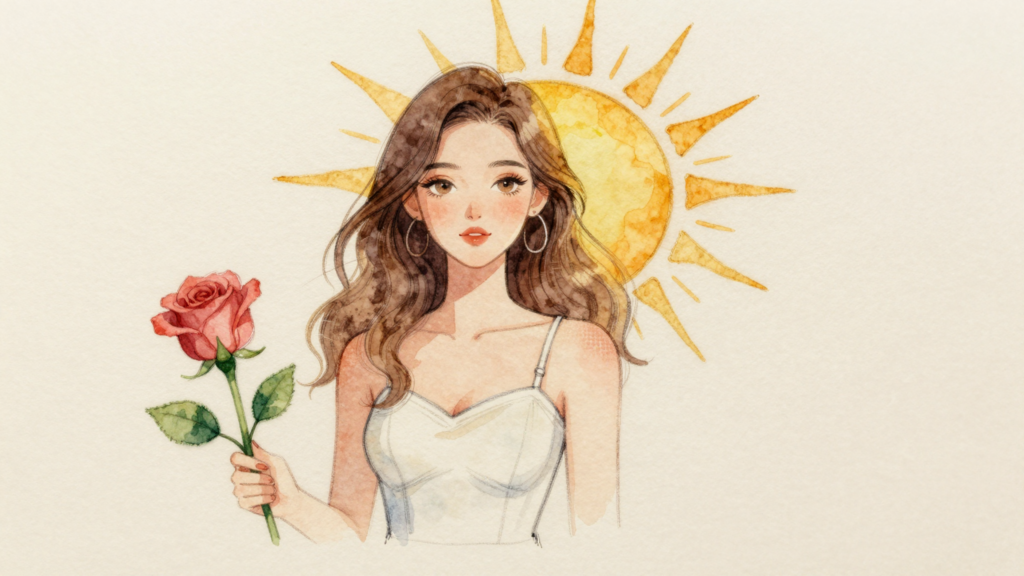
هَذِهِ أَنْتِ لَا يُدَانِيكِ حُسْنٌفِي الْوَرَى قَدْ أَصَابَهُ التَّزْوِيقُ
لَيْسَ فِي الْأَرْضِ لَا، وَلَا فِي سَمَاءٍمَنْ يُضَاهِيكِ سِحْرُهُ أَوْ يَفُوقُ
أَنْتِ كَالشَّمْسِ تَبْزُغُ الصُّبْحَ وَسْنَىقَدْ تَحَدَّى الْأَكْوَانَ مِنْكِ شُرُوقُ
أَنْتِ كَالْوَرْدِ ضَمَّخَ الْكَوْنَ عِطْرًاقَدْ تَثَنَّى بِهِ الْغُصَيْنُ الرَّشِيقُ
لَا تُبَالِينَ بِالْأَنَاقَةِ وَالْحُسْــنِ فَمَعْنَاكِ رَائِعٌ وَأَنِيقُ
أَنْتِ لُبُّ الْجَمَالِ وَالْحُبُّ مَعْنىًيَتَجَلَّى فِي مُقْلَتَيْكِ دَقِيقُ
أَيُّ حُبٍّ سِوَى غَرَامِيَ زَعْمٌوَهُرَاءٌ قَدْ يَدَّعِيهِ صَفِيقُ
قَدْ تَنَسَّمْتُ مِنْ نَسِيمِكِ حَتَّىيَنْتَشِي مِنْهُ ذَا الْفُؤَادُ الرَّقِيقُ
وَعَبِيرٌ نَشِقْتُهُ مِنْكِ عَذْبٌأَيْنَ مِنْهُ الشَّذَى، وَأَيْنَ الرَّحِيقُ
مقديشو — 9/9/1986م
This Is You!
- This is you! No beauty in the world comes near you,
not one of those that ornament1 has painted bright. - Nowhere on earth, no, nor in any heaven,
is there a charm to match your charm, or rise above its height. - You are like the sun that rises drowsy2 in the morning;
one dawning of yours has dared the worlds to match its light. - You are like the rose that drenched the world in fragrance,
and with it sways the little bough3, so supple and so slight. - You care nothing for elegance or beauty,
for it is what you are4 that is splendid and refined. - You are the kernel of all beauty; love’s a subtle meaning
that shines out in your eyes, made manifest to sight. - Any love except my passion is an idle boast,
mere nonsense that some brazen fool might claim outright. - I have breathed in5 your breeze so deeply that
this tender heart of mine is drunk with its delight. - And sweet the fragrance6 I have breathed from you:
beside it, where is perfume? Where is nectar?
Mogadishu, 9 September 1986
Notes
- Tazwīq is embellishment, ornamentation, touching up with paint or cosmetics; it carries a hint of the artificial. Her natural beauty is set against every beauty that owes something to adornment, a point taken up again in verse 5. ↩
- Wasnā means drowsy, heavy with sleep. In Arabic love poetry languid, sleep-heavy eyes are a mark of beauty. The morning sun, rising slowly and softly, is given the drowsy look of the beloved, and she in turn has the sun’s overwhelming radiance. ↩
- The swaying bough (ghuṣn, here in the diminutive ghuṣayn, ‘the slender little bough’) is the classical image for a slender, graceful figure. The rose is her face and her fragrance; the bough that sways with it is her body. ↩
- Maʿnā, ‘meaning, inner reality’, stands against outward show. She needs no elegance of dress or manner, because elegance is in what she is, not in what she puts on. Verse 6 picks up the same word: love is a maʿnā visible in her eyes. ↩
- Tanassamtu min nasīmik: the verb ‘I breathed in’ (tanassama) and the noun ‘breeze’ (nasīm) come from the same root, a play on sound and sense (jinās). Nasīm is the gentle breeze that, in Arabic poetry, carries the beloved’s scent to the lover. ↩
- Ayna minhu…? (‘where is X compared to it?’) is an Arabic idiom of rhetorical comparison: nothing else is even in the same place. Shadhā is fragrance and raḥīq is nectar, also the choice wine of Paradise. The word for ‘fragrance’ used of her, ʿabīr, is the one that gives the collection its title, ʿAbīr al-Abad (‘Scents of Eternity’). ↩
English translation prepared by artificial intelligence and reviewed against the Arabic for accuracy of meaning and rhetoric.