
أَنَا مَا نَسِيتُكِ يَا حَبِيبَةُ هَلْ تُرَانِي سَوْفَ أَنْسَى؟
وَسَلِي الدُّجَى إِنْ شِئْتِ عَنْ قَلْبِي الْمُعَنَّى كَيْفَ أَمْسَى؟
وَسَلِيهِ عَنْ رُوحِي الشَّجِيَّةِ كَيْفَ لَوَّعَهَا لَظَاكِ؟
بَلْ كَيْفَ هَامَتْ فِي مَتَاهَاتِ الْفَضَا حَتَّى تَرَاكِ؟
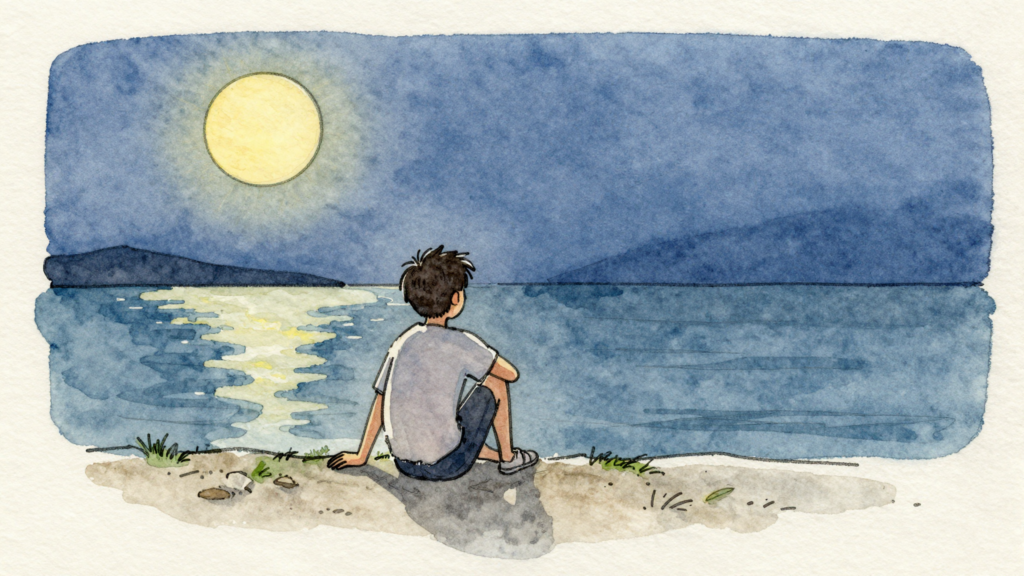
وَسَلِي سَنَا بَدْرِ اللَّيَالِي النَّيِّرَاتِ الْمُقْمِرَاتِ
كَمْ ذَا أُسَاهِرُهُ نَجِيًّا نَائِيًا عَنِّي سُبَاتِي؟
وَسَلِيهِ كَيْفَ سَهِرْتُ مُشْتَكِيًا وَفِي اللَّيْلِ الطَّوِيلْ
مُسْتَرْجِعًا هَمَسَاتِ صَبٍّ عِنْدَ مَقْعَدِنَا الْجَمِيلْ
وَسَلِي أَنِينِي حِينَ أَبْعَثُهُ صَدًى عَبْرَ الْفَضَا
أَيَعِيشُ حُبُّكِ فِي فُؤَادِي لَا يَزَالُ أَمِ انْقَضَى؟
وَسَلِي الدُّنَى كُلَّ الدُّنَى تُخْبِرْكِ عَنِّيَ أَنَّنِي
لَمْ أَنْسَ حُبَّكِ، هَلْ تُرَاكِ لَدَى الرَّحِيلِ نَسِيتِنِي؟
مَا زَالَ عَزْفُ الْعُودِ مُنْتَظِمًا وَمِنْ نَفْسِ الْوَتَرْ
وَخُطَايَ فِي دَرْبِ الْوَفَا لَمَّا تَزَلْ تَقْفُو الْأَثَرْ
بَلْ دَائِمًا فِي اللَّيْلِ أَشْدُو أُغْنِيَاتِ الذِّكْرَيَاتْ
هَلْ سَوْفَ يَصْدُقُ فِي الْهَوَى مَا سَطَّرَتْهُ الْأُمْنِيَاتْ؟
يَا طَالَمَا سَرَّحْتُ فِي دُنْيَا التَّمَنِّي وَالْخَيَالْ
وَطَفِقْتُ أَحْصُدُ فِي دُرُوبِي حَنْظَلَ الْوَهْمِ الْمُحَالْ
مَا زِلْتُ أَشْدُو هَمْهَمَاتٍ صَاغَهَا أَمَلُ الْهَوَى
تَحْكِي عَنِ اللُّقْيَا وَعَنْ هَمْسِ الْجُفُونِ عَنِ الْجَوَى
وَخَوَاطِرِي سُرَّتْ بِمَا فِي اللَّحْنِ مِنْ نَغَمِ الْفُتُونْ
وَالنَّفْسُ تَأْمُلُ أَنْ تَرَى اللُّقْيَا لَنَا عَبْرَ الْعُيُونْ
أَنَسِيتِنِي أَمْ يَا تُرَى لَمَّا تَزَالِي تَذْكُرِينْ؟
هَلْ مِنْ بَقَايَا فِي فُؤَادِكِ مِنْ رَذَاذَاتِ الْحَنِينْ؟
أَنَسِيتِنِي أَمْ يَا تُرَى صِرْنَا كَذِكْرَى مُسْتَقِرَّةْ؟
أَمْ لَيْسَ لِلذِّكْرَى بِقَلْبِكِ خَفْقَةٌ تَعْرُوهُ مَرَّةْ؟
قُولِي بِرَبِّكِ يَا حَبِيبَةُ كَيْفَ أَنْتِ وَمَا بِقَلْبِكْ؟
أَوَحِيدَةٌ مِثْلِي بَئِيسٌ أَمْ تُرَى رَجُلٌ بِجَنْبِكْ؟!
أَنَا مَا نَسِيتُكِ يَا حَبِيبَةُ هَلْ تُرَاكِ نَسِيتِنِي؟
إِنِّي هُنَا أَجْتَرُّ وَهْمِي حَيْثُ أَنْتِ تَرَكْتِنِي!
أَيْنَ الطَّرِيقُ إِلَيْكِ؟ إِنِّي قَدْ ضَلَلْتُ فَأَشْفِقِي
هَلْ عَوْدَةٌ لِلْعُشِّ يَا عُصْفُورَتِي؟ هَلْ نَلْتَقِي؟
مقديشو — 12/5/1988م
Have You Forgotten Me?
- I’ve not forgotten you, my love: and do you think I might?
- Ask darkness, if you like, how my racked heart has spent the night1;
- and ask it how my grieving soul was seared by your fierce blaze2,
- or rather, how it wandered, lost, to see you, through the void’s vast maze.
- Ask, too, the radiance of the full moon on bright and moonlit nights
- how often I’ve sat up with it, its confidant, while sleep took flight.
- And ask it how I lay awake, lamenting, all the long night through,
- recalling a lover’s whispers by the lovely seat we knew.
- Ask my moaning, when I send it out, an echo, through the air:
- does your love still live within my heart, or is it no more there?
- Ask all the world, the whole wide world, and it will tell you this of me:
- that I have not forgotten your love. When you left, did you forget me?
- The lute still keeps its steady time, and plays the selfsame chord3;
- my steps still follow in the tracks along fidelity’s road.
- More: every night I sing aloud the songs of memories past;
- will what our wishes have inscribed come true in love at last?
- How often have I let my thoughts roam free through wish and fantasy,
- and reaped along my paths the colocynth4 of an illusion that could never be!
- Still I sing the murmurings the hope of love has made,
- that tell of meeting, of the eyelids’ whisper, and of passion’s hidden flame5.
- My thoughts rejoiced in all the melody’s enchanting harmonies,
- and my soul hopes that it will see us meeting, through our eyes.
- Have you forgotten me, or, I wonder, do you still recall?
- Is there, left in your heart, some drop of longing’s spray at all?
- Have you forgotten me, or are we now, I wonder, memory at rest6?
- Or has the memory no flutter left to seize, from time to time, your breast?
- Tell me, by your Lord, my love: how are you, and what does your heart hold inside?
- Are you alone like me, and wretched, or is there, I wonder, a man at your side?!
- I’ve not forgotten you, my love. Have you, I wonder, forgotten me?
- Here I am, chewing the cud7 of my illusion, just where you left me!
- Where is the road to you? For I have lost my way: have pity on me.
- Is there a way back to the nest, my little sparrow? Shall we meet?
Mogadishu, 12 May 1988
Notes
- Amsā means both ‘to pass the evening, spend the night’ and simply ‘to become’. The question therefore asks at once how his tormented heart (qalbī al-muʿannā) has passed the night and what has become of it. He sends her to ask the darkness (al-dujā) because the night alone witnessed his suffering. ↩
- Laẓā is a fierce, flaming blaze, and in the Qurʾān (70:15) it is one of the names of Hell. Calling the pain of her absence ‘your laẓā’ gives the fire she has lit in him a shade of the flames of damnation. ↩
- The ʿūd, the Arab lute, still played ‘in order’ and ‘on the same string’ is a figure of unchanged constancy: his love still plays the same tune, without a false note, as it did before she left. ↩
- Ḥanẓal, the colocynth or bitter apple, is a desert gourd proverbial in Arabic for extreme bitterness. The sweet ‘world of wishing’ yields a harvest of pure bitterness. ↩
- Jawā is the inward burning of love or grief, a consuming ache hidden in the breast. The ‘whisper of eyelids’ is the silent language of glances between lovers. ↩
- Mustaqirra, ‘settled, at rest’, describes a memory that has sunk to the bottom and no longer stirs. The next verse sets against it a khafqa, a single heartbeat or flutter, that might still ‘seize’ her heart once in a while, as a fever or a shiver seizes the body. ↩
- Ijtarra is the word for an animal, especially a camel, chewing the cud: bringing food back up and chewing it again. Figuratively it means going over something endlessly in the mind. Left where she abandoned him, he chews over the same illusion again and again. ↩
English translation prepared by artificial intelligence and reviewed against the Arabic for accuracy of meaning and rhetoric.