
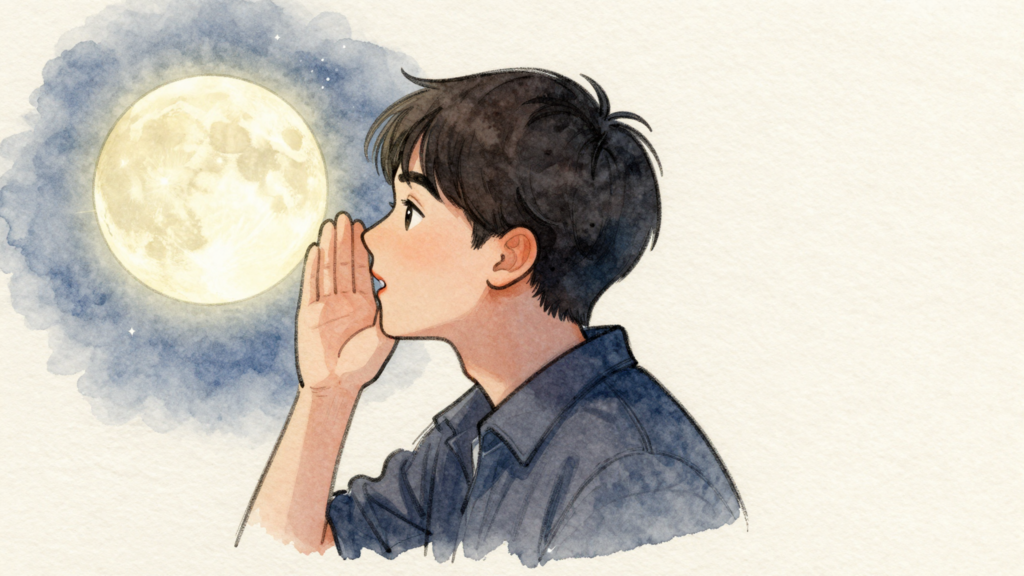
يَا أَيُّهَا الْقَمَرُ الْمُطِلُّ بِنُورِهِيَمْحُو الْقَتَامَ وَظُلْمَةَ الدَّيْجُورِ
فِي اللَّيْلِ يَجْفُونِي الصِّحَابُ فَلَا أَرَىإِلَّا ابْتِسَامَةَ ثَغْرِكَ الْمَسْحُورِ
بَلْ لَا أَرَى إِلَّا ضِيَاءَكَ غَامِراًكُلَّ النِّجَادِ بِنَشْوَةٍ وَسُرُورِ
فَتَكُونُ أَنْتَ أَنِيسَ قَلْبِيَ فِي الدُّجَىوَتَصِيرُ أَنْتَ مُخَاطِبِي وَسَمِيرِي
لَا تَتْرُكِ النَّفْسَ الْكَئِيبَةَ وَحْدَهَاتَضْنَى وَتَسْرَحُ فِي دُجَى التَّفْكِيرِ
فَأَنَا الْمُعَذَّبُ قَدْ جَفَا طَيْفُ الْكَرَىعَيْنِي وَقَلْبِي فِي ضِرَامِ سَعِيرِ
مُذْ غَابَ عَنِّي مَنْ رَمَى بِسِهَامِهِقَلْبِي الْمُعَنَّى فَاحْتَوَاهُ ضَمِيرِي
لَوْلَاهُ مَا كَابَدْتُ هَمّاً قَاتِلاًبَلْ لَمْ أَكُنْ لِأَعِيشَ كَالْمَهْجُورِ
لَوْلَاهُ لَمْ تُضْرَمْ ضُلُوعِي لَوْعَةًأَوْ مَا اكْتَوَيْتُ بِشَوْقِيَ الْمَسْجُورِ
وَلَعِشْتُ مِثْلَ النَّاسِ أَمْرَحُ عَازِفاًعُودَ الْحَيَاةِ بِلَحْنِهَا الْمَبْهُورِ
يَا بَدْرُ أَنْتَ تَرَاهُ حَيْثُ يُقِيمُ فِيقَصْرٍ مُنِيفٍ أَمْ بِكُوخِ أَسِيرِ
أَخْبِرْهُ أَنِّي لَا أَزَالُ مُعَذَّباًشَوْقاً إِلَيْهِ أَبِيتُ كَالْمَقْرُورِ
فَأَزِحْ سِتَارَ الْيَأْسِ عَنِّي مَرَّةًفَلَرُبَّ خَلْفَ السِّتْرِ وَمْضَةِ نُورِ
فَتُزِيحُ عَنِّي ظُلْمَةً كَابَدْتُهَافِي الْبُعْدِ أَدْمَتْ مُهْجَتِي وَضَمِيرِي
يَا بَدْرُ صُبَّ لِيَ الْكُؤُوسَ مَلِيئَةًمِنْ حُبِّهَا وَوِصَالِهَا وَعَبِيرِي
مقديشو — 7/9/1987م
Communing with the Moon1
- O moon who gazes down with all your light,
and wipes away the murk and pitch-black night: - at night my friends forsake me, and I see
your lips’ enchanted smile, and nothing else in sight. - No, only your radiance I see, that floods
the uplands, all of them, with rapture and delight. - And so you are my heart’s companion in the dark;
you are the one I talk to, and my comrade of the night2. - Do not abandon this despondent soul
to pine and wander, lost in thought’s dark night. - For I am the tormented one: sleep’s phantom3 shuns
my eye, and in a raging blaze my heart is set alight, - since he4 went from me, who shot his arrows through
my suffering heart, and whom my inmost self then held tight. - But for him, I would not have borne a grief that kills;
no, I would not have lived like one cast aside. - But for him, my ribs would never flame with love’s sharp pain,
nor would I have been seared by longing stoked5 to its height; - I would have lived as others live, in merriment,
playing the lute of life to its entrancing melody. - O full moon, you can see him where he dwells:
is it a lofty palace, or a captive’s hut6? - Tell him that I am in torment still: I lie
with longing for him, shivering7 as with a chill, all night. - So draw aside, just once, the curtain of despair from me:
behind a curtain there may be a flash of light, - to lift from me the darkness I have borne
apart from him, that made my heart and inmost self to bleed. - O full moon, pour me cups filled to the brim
with her love, her nearness, and my fragrance8.
Mogadishu, 7 September 1987
Notes
- Munājāt is intimate, whispered discourse held in solitude, above all the night prayer in which the worshipper speaks privately to God. Here the poet turns that intimacy towards the moon, the one presence awake with him in the dark. ↩
- Samīr is the companion of samar, the night-time talk that Arabs held under the moon after the day’s work. Calling the moon his samīr makes it the only friend left to share his nights, now that his companions have deserted him. ↩
- Ṭayf al-karā, ‘the phantom of sleep’, applies to sleep the image of the ṭayf, the beloved’s phantom that visits the lover by night in classical love poetry. Sleep itself has become a visitor that no longer comes: the lover cannot sleep. ↩
- The absent beloved is referred to with masculine forms (‘he’, ‘him’), following an old convention of Arabic love poetry that veils a woman’s identity. The last verse drops the veil and speaks of ‘her love’ and ‘her nearness’. ↩
- Masjūr means ‘set ablaze, stoked’ and also ‘filled to overflowing’. Both senses meet in the Qur’anic ‘the sea that is stoked’ (al-baḥr al-masjūr, Qur’an 52:6). The poet’s longing is at once a fire and a flood. ↩
- The moon’s light falls on palace and hovel alike, so the poet asks it what he himself cannot know: whether the beloved lives in splendour or in misery. The ‘captive’ may be the beloved, held back from him by circumstance, or simply a poor man whose hut stands for the humblest of dwellings. ↩
- Maqrūr is one who shivers with cold, or with fever. Set against the fire of the earlier verses, it shows the lovesick man at both extremes: burning and chilled at once. ↩
- ʿAbīr is a fragrant perfume, the word that also names the collection, Scents of Eternity (ʿAbīr al-Abad). ‘My fragrance’ is the scent the poet holds dearest, and so, in effect, the beloved’s presence itself. Wiṣāl, rendered ‘nearness’, is the lovers’ union after separation. ↩
English translation prepared by artificial intelligence and reviewed against the Arabic for accuracy of meaning and rhetoric.