
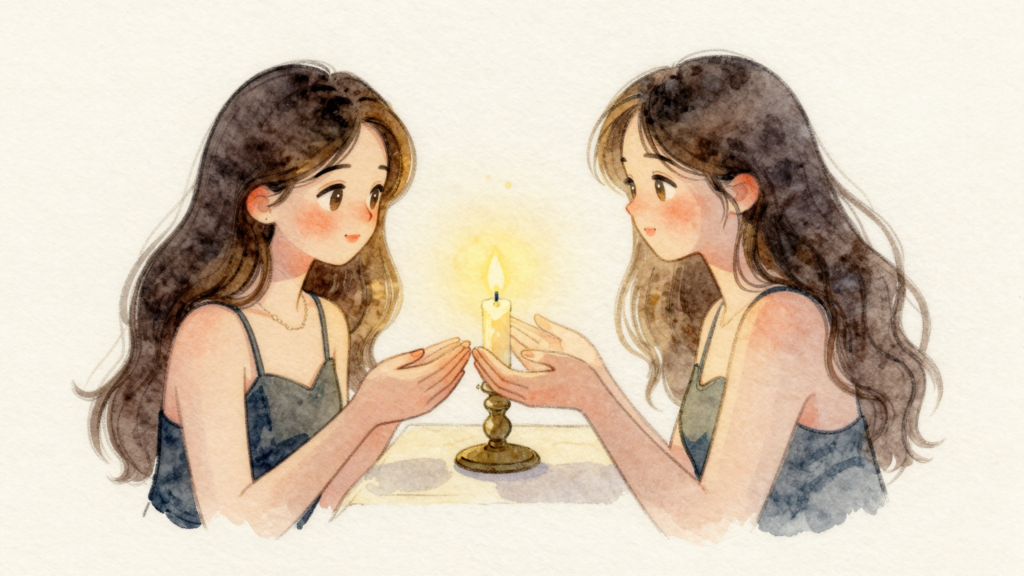
حَبِيبَتِي فِي اللَّيَالِي أَنْتِ مُؤْنِسَتِيوَفِي النَّهَارِ خَيَالٌ مِنْكِ يَأْتِينِي
أَبْقَى شَرِيداً بِذِهْنِي رَغْمَ “فَرْفَشَتِي”يَتُوهُ عَقْلِي وَفِكْرِي لَا يُوَاتِينِي
يَا مَنْ تَدُومُ دَوَامَ الْخُلْدِ فِي خَلَدِيوَمَنْ بِتَعْدَادِ أَنْفَاسِي تُنَاجِينِي
كَمْ صُورَةٍ عَلِقَتْ فِي الذِّهْنِ قَدْ مُحِيَتْلَمَّا طَلَعْتِ وَسَهْمُ الْحُبِّ يَرْمِينِي
مَهْمَا تَبَاعَدَتِ الْأَبْعَادُ يَا أَمَلِيفَأَنْتِ فِي مُهْجَتِي نَبْضُ الشَّرَايِينِ
مَهْمَا أُطِلْ فِي انْتِظَارِي لِلِّقَاءِ غَداًفَإِنَّنِي عَنْكِ لَمْ أَبْعُدْ إِلَى حِينِ
كَمْ سَائِلٍ عَنْ هَوَاهَا أَيْنَ يَسْكُنُنِيفَقُلْتُ يَسْكُنُ أَنْفَاسِي وَيَرْوِينِي
وَيَسْكُنُ الْمُقْلَةَ الظَّمْأَى لِرُؤْيَتِهَاوَيَسْكُنُ الْقَلْبَ أُؤْوِيهِ وَيُؤْوِينِي
وَيَسْكُنُ الْفِكْرَ وَالْآمَالَ يَسْكُنُنِيكُلِّي وَيَمْلَأُ أَجْزَاءً وَيُعْيِينِي
كَمْ خَمَّنُوا لَكِ أَسْمَاءً وَقَدْ جَهِلُوافَمَا أُسَمِّيكِ إِلَّا فِي التَّضَامِينِ
تَاهُوا فَسَمَّوْكِ لُبْنَى ثُمَّ مَا لَبِثُواأَنْ لَقَّبُوكِ بِلَيْلَى قَيْسِ مَجْنُونِ
فَقُلْتُ لَيْسَ الْهَوَى جِنّاً تَقَمَّصَنِيفَلَيْسَ يُثْبِتُنِي إِلَّا لِيَمْحُونِي
وَإِنَّمَا الْحُبُّ لُبُّ الْعَقْلِ فَانْتَبِهُوالَمْ تَعْرِفُوا الْحُبَّ إِلَّا ذُعْرَ مَفْتُونِ
وَسَاءَلُونِيَ عَنْ عُنْوَانِهَا أَمَلاًفِي أَنْ يَرَوْهَا فَيَرْجُوهَا لِتَشْفِينِي
عُنْوَانُهَا الْقَلْبُ فِي سَبْحَاتِ أَوْرِدَتِيلَا تَجْدِفُوا سُفُناً نَحْوَ الْعَنَاوِينِ
أَمَّا اسْمُهَا فَعَبِيرُ الرَّوْضِ يَعْكِسُهُوَبَوْحُ وَجْدِي كَفَى فِي كَشْفِ مَكْنُونِي
أَمَّا هَوَاهَا فَكَالْأَمْوَاجِ مُلْتَطِمٌوَكَالْعَوَاصِفِ وَالْأَنْوَاءِ يَعْرُونِي
وَكَالْجِبَالِ صُمُوداً، وَالذُّكَاءِ سَنىًوَكَالْمُحِيطَاتِ عُمْقاً، كَالْبَرَاكِينِ
وَكَالرَّبِيعِ رُوَاءً، وَالطِّلَا حُبّاًكَالسَّيْلِ عُنْفاً، وَكَالنَّسَمَاتِ فِي اللِّينِ
وَكَالْخَيَالِ حَفِيفاً، كَالذُّرَى شَرَفاًوَكَالثُّرَيَّا عُلُوّاً، فَهُوَ يُغْنِينِي
وَكَالطُّيُورِ غَدَتْ تَشْدُو عَلَى فَنَنٍسَجْعَ الْبَلَابِلِ فِي تَغْرِيدِ حَسُّونِ
وَكَالنَّدَى سَحَراً يَغْفُو بِزَهْرَتِهِكَالْبَدْرِ فِي شَرَفٍ فَوْقَ السَّلَاطِينِ
كَالْمُزْنِ يُحْيِي نَبَاتَ الْأَرْضِ هَاطِلُهُكَأَنَّمَا اللهُ وَشَّاهَا بِتَزْيِينِ
وَإِنْ يَثُرْ فَهُوَ إِعْصَارٌ يُدَمِّرُنِيبَطْشُ النُّسُورِ عَلَى بَعْضِ الشَّوَاهِينِ
وَإِنْ يَكُنْ هَادِئاً لَا شَيْءَ يُزْعِجُهُفَكَالْحَمَامَةِ تَهْدِي غُصْنَ زَيْتُونِ
قَالُوا فَكَيْفَ تَرَاهَا قَدْ غَدَتْ مَلَكاًفَاقَتْ بِحُبِّكَ قَدْرَ الْخُرَّدِ الْعِينِ
فَقُلْتُ كَانَتْ تَرَانِي مُفْرَداً عَلَماًعَالِي الذُّرَى فَسَمَتْ حَتَّى تُدَانِينِي
تَعَمَّقَتْ فِي الْهَوَى عُمْقاً يُجَاوِزُنِيوَاسْتَنْقَذَتْ رُوحَهَا بَيْنَ الطَّوَاحِينِ
تَطَهَّرَتْ مِنْ رَغَامِ الْأَرْضِ وَارْتَفَعَتْفِي الْحُبِّ فَانْفَلَتَتْ مِنْ قَبْضَةِ الْهُونِ
تَرَفَّعَتْ عَنْ شَنِيعِ الْفِعْلِ وَاسْتَمَعَتْهَمْسَ الْمَلَائِكِ لَا نَوْحَ الشَّيَاطِينِ
وَهَاجَرَتْ وَحْلَ طِينِ الْأَرْضِ ثُمَّ سَمَتْنَحْوَ السَّمَاءِ إِلَى نَفْحِ الرَّيَاحِينِ
لِلْحُبِّ مَا زَرَعَتْ فِي الْكَوْنِ مِنْ أَمَلٍيَزْهُو ائْتِلَاقاً كَأَزْهَارِ الْبَسَاتِينِ
لِلَّهِ مَا نَثَرَتْهَا كَفُّ طَاهِرَةٍفِي دَرْبِ عِشْقِيَ مِنْ وَرْدٍ وَنِسْرِينِ
لِلشَّوْقِ مَا هَمَسَتْ فِي اللَّيْلِ حَنْجَرَةٌسَكْرَى مِنَ الْوَجْدِ بِالْجَمْرَاتِ تَكْوِينِي
لِلْحُبِّ مَا عَزَفَتْ فِي الْأُفْقِ وَانْطَلَقَتْأَوْتَارُ قَلْبِيَ مِنْ أَحْلَى تَلَاحِينِي
بِالْحُسْنِ قَدْ فَتَنَتْ عَيْنِي جَمَالُ رُؤًىبِالْحُبِّ قَدْ أَشْعَلَتْ نَارَ الشَّرَايِينِ
My Beloved
- My love, by night you are my company,
and through the day a phantom1 of you visits me. - I stay a stray inside my mind, for all my ‘merriment’2;
my reason wanders, and my thought will not obey me. - O you who, like eternity, endure in my heart’s core3,
and with each breath I count, commune with me, - how many pictures clinging to my mind were wiped away
the moment you rose, and love’s arrow shot at me! - However far apart the distances may stretch, my hope,
within my heart’s blood you’re the pulse of every artery. - However long I wait for meeting you tomorrow,
I have not been away from you, not even momentarily. - How many ask me where, in me, her love has come to dwell!
I said: it dwells within my breath, and quenches thirst in me; - it dwells within the eye that thirsts to see her;
it dwells within the heart: I shelter it, and it shelters me; - it dwells in thought and hope; it dwells in me, the whole of me;
it fills my every part, and wearies me. - How many names for you they guessed, not knowing;
for I name you only by allusion4, never openly. - They lost their way and called you Lubnā; then, before long,
they dubbed you Laylā, Laylā of Qays the Madman5. - I said: love is no jinn6 that wears me like a shirt;
it does not set me firm only to erase me. - No: love is the very kernel of the mind7; take heed:
you have known love only as the terror of a man bewitched. - They asked me for her address, in the hope that they might see her
and so might beg her to heal me. - Her address is the heart, adrift in the swimming currents of my veins8:
do not row your boats out towards addresses! - As for her name, the garden’s fragrance9 mirrors it;
the outpouring of my passion is enough to show what’s hidden in me. - As for her love, it is like the waves, colliding,
and like the storms and tempests, it assails me; - like mountains in endurance; like the sun10 in radiance;
like oceans in their depth; like the volcanoes; - like spring in its fresh beauty; like wine11 in the love it wins;
like torrents in their violence; like breezes in their gentleness; - like the phantom1, softly rustling; like the peaks in eminence;
like the Pleiades in height: it is enough for me12; - and like the birds that have begun to sing upon a bough,
the nightingales’ warbling in the goldfinch’s melody; - like dew before the dawn, asleep within its flower;
like the full moon, high above the sultans in its majesty; - like rain-clouds, when their downpour brings the earth’s plants back to life,
as though God had embroidered it with finery. - And if it rages, it’s a whirlwind that destroys me,
the savage onslaught of the eagles on the falcons; - and if it’s calm, with nothing to disturb it,
then it is like the dove that brings the olive branch. - They said: ‘How is it, then, you see her grown into an angel,
who, in your love, has risen above the maidens of Paradise13 in degree?’ - I said: she used to see me as a peerless landmark14,
high-summited; and so she rose, until she came near me. - She went in love to depths that reach beyond my own,
and from between the millstones she won her own soul free. - She cleansed herself of the earth’s dust, and rose
in love, and so slipped from the grip of ignominy. - She rose above all shameful deeds, and listened to
the whispers of the angels, not the devils’ threnody. - She left the mire of earthly clay behind, then soared
towards the heavens, to the breath of fragrant herbs15. - All for love16, the hope that she has sown throughout creation,
blooming and gleaming like the flowers in the gardens! - What roses and what eglantine, by God, a pure hand strewed
along the pathway of my love! - All for longing, what a throat has whispered in the night,
drunk with passion, as with live coals it brands me! - All for love, what the strings of my heart have played across the sky
and sent aloft: the sweetest of my melodies! - With loveliness, the beauty of visions has enchanted my eye;
with love, it lit the fire in every artery.
Notes
- Khayāl (also ṭayf) is the phantom of the beloved, a central motif of classical Arabic love poetry: her image that visits the lover in sleep or waking reverie. Here it comes to him by day as well as by night. In verse 20 the same word describes the soft, rustling lightness of his love. ↩
- Farfasha is a colloquial word for light-hearted gaiety and good cheer, which is why it stands in quotation marks in the Arabic. It is the outward cheerfulness that hides a mind wandering after the beloved. ↩
- Tadūmu dawāma al-khuldi fī khaladī plays on two words from the same letters (jinās): al-khuld, ‘eternity, everlasting life’, and khalad, ‘the inmost mind, the heart’s core’. She lasts in his khalad as the khuld lasts. The second half says she whispers to him (tunājīnī) as many times as he counts his breaths. ↩
- Taḍāmīn, ‘implications, what is folded inside’, means that he names her only by hint and allusion, never openly: the classical lover’s discretion. Taḍmīn is also a term of rhetoric and prosody, which suits the poet’s own riddling allusion to her name in verse 16. ↩
- Lubnā was the beloved of Qays ibn Dharīḥ, and Laylā the beloved of Qays ibn al-Mulawwaḥ, known as Majnūn Laylā, ‘Laylā’s Madman’. Both are Umayyad-era love poets whose stories became legends of hopeless, chaste passion. The verse also plays on sound: Lubnā and mā labithū (‘it was not long before’). ↩
- Majnūn, ‘mad’, literally means ‘possessed by a jinn’. The poet takes up the word from the previous verse and denies it: his love is not a jinni that has ‘put him on like a shirt’ (taqammaṣanī, taken over his body). The second half is a contrast (ṭibāq) between yuthbitunī, ‘it establishes me’, and yamḥūnī, ‘it erases me’. ↩
- Lubb means both ‘kernel, core’ and ‘intellect, pure reason’. Love, far from being madness, is the core of reason itself. The word also echoes the name Lubnā two verses earlier. Maftūn is one who is bewitched or infatuated, and also one who is put to a trial: his critics know love only as a frightened man’s frenzy. ↩
- Sabḥāt are swimmings, the strokes of one who swims (sabḥ): her home is the heart, and she moves through the currents of his veins. This prepares the image of the second half: no boat can be rowed to her address, for it lies within his own bloodstream. ↩
- ʿAbīr means ‘fragrance, perfume’, and ʿAbīr (Abeer) is also a woman’s name. To say that ‘the fragrance of the garden reflects her name’ is a veiled way of giving it: her name is ʿAbīr, which is also the title of the collection, ʿAbīr al-Abad (Scents of Eternity). ↩
- Dhukāʾ is a classical proper name for the sun. ↩
- Ṭilāʾ is grape juice boiled down and thickened, and in classical poetry a name for wine. ↩
- Yughnīnī means ‘it suffices me, makes me rich, leaves me needing nothing else’. Read with a doubled consonant, yughannīnī, it would mean ‘it makes me sing’, which the next verse, full of singing birds, seems to pick up. ↩
- Al-khurrad al-ʿīn are the maidens of Paradise: khurrad means modest, untouched virgins, and ʿīn wide-eyed, lovely-eyed (the ḥūr ʿīn of the Qurʾān). The critics ask how he can place her above them. ↩
- ʿAlam is a mountain or a high landmark that guides travellers, and also a banner; to call a man mufrad ʿalam, ‘a singular landmark’, is to say he stands out above others. She saw him on a height, and so rose, in spirit, to reach him. ↩
- Rayāḥīn are sweet-smelling herbs such as basil and myrtle. In the Qurʾān (56:89) rawḥ wa-rayḥān, ‘rest and fragrance’, is the reward of those brought near to God, so the word suits her ascent ‘towards heaven’. ↩
- Lillāhi mā … (‘to God belongs what …’) is an Arabic formula of admiring wonder: ‘how marvellous is what …’. The poet sets it among variations of his own, li-l-ḥubbi mā (‘to love belongs what …’) and li-l-shawqi mā (‘to longing belongs what …’), so that in four successive verses the same exclamatory mould credits each wonder to love, to God, to longing and to love again. ↩
English translation prepared by artificial intelligence and reviewed against the Arabic for accuracy of meaning and rhetoric.