
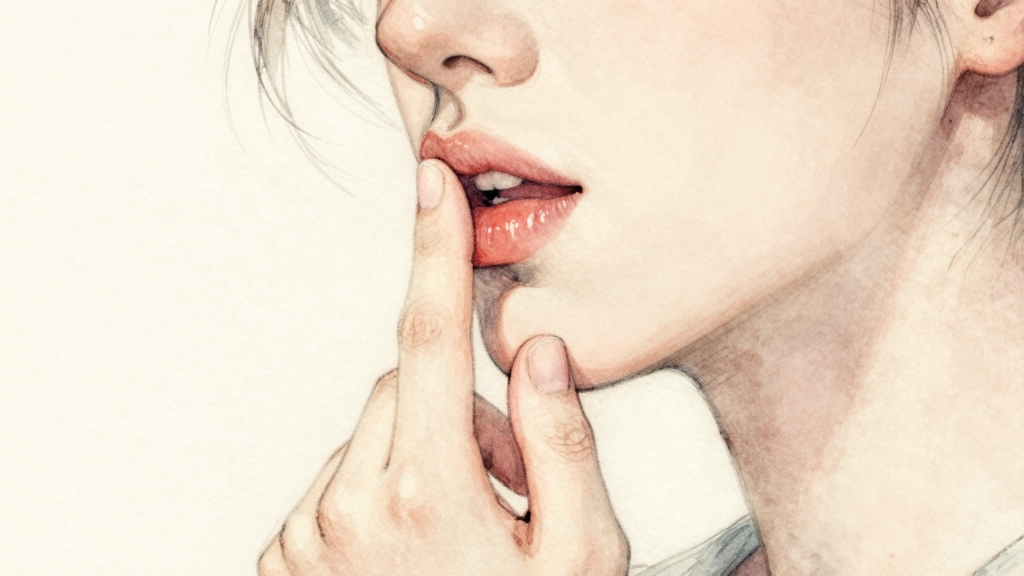
إِلَى كَمْ أُجَارِي النَّاسَ فِيمَا يَسُرُّهُمْوَأُمْسِكُ نَفْسِي أَنْ تَبُوحَ لَهُمْ سِرِّي
فَكَمْ حَبَسَتْ عَيْنِي الدُّمُوعَ مَخَافَةًمِنَ النَّاسِ أَنْ يَدْرُوا وَأَنْ يَعْرِفُوا أَمْرِي
فَلَا تَعْذِلُوا نَفْسِي إِذَا مَا تَفَجَّرَتْوَبَاحَتْ بِمَا قَدْ جَاشَ أَوْ ضَاقَ فِي صَدْرِي
وَلَا تَعْذِلُوا عَيْنِي إِذَا هِيَ أَسْبَلَتْمَدَامِعَ مِثْلَ الْغَيْثِ فَوْقَ الرُّبَى تَجْرِي
فَقَدْ ذُقْتُ طَعْمَ الْحُبِّ وَالشَّوْقِ وَالْهَوَىفَلَمْ أَرَ غَيْرَ الظُّلْمِ فِي السِّرِّ وَالْجَهْرِ
وَلَمْ أَرَ غَيْرَ الْبُعْدِ وَالْهَجْرِ وَالنَّوَىبِهَا يُصْبِحُ الْمَسْتُورُ مُنْهَتِكَ السِّتْرِ
فَلَيْلِي طَوِيلٌ لَا يَزُولُ ظَلَامُهُوَصُبْحِي إِذَا مَا جَاءَ أَحْتَارُ فِي أَمْرِي
فَلَا اللَّيْلُ يُرْضِينِي وَلَا الصُّبْحُ مُشْفِقٌفَلَا بُدَّ مِنْ سُهْدٍ وَلَا بُدَّ مِنْ فِكْرِ
مقديشو
Keeping the Secret1
- How long must I keep pace with people in their pleasures,
and hold my soul back, lest my secret be confessed? - How often has my eye held back its tears, for fear
that people might find out, and all my state be guessed! - So do not blame my soul if it should burst,
and tell what surged, or lay pent up, within my breast; - and do not blame my eye if it should shed
tears like the rain that runs across the hilltops’ crest. - For I have tasted love, and longing, and desire,
and met with nothing but injustice, whether hidden or expressed; - I have seen nothing but distance, and desertion, and parting,
through which the veiled is left unveiled, its secret manifest. - My night is long; its darkness never lifts;
and when my morning comes, I’m at a loss, perplexed. - The night does not content me, nor is the morning kind2:
there must be sleeplessness, and there must be brooding, with no rest.
Mogadishu
Notes
- Kitmān al-sirr, keeping one’s love hidden, is an old ideal of Arabic love poetry: the true lover guards his secret, and revealing it shames the beloved. The poem is the moment when concealment breaks down. ↩
- The lover’s endless night is a classical motif. The verse recalls Imruʾ al-Qays, who in his Muʿallaqa bids the long night give way to morning, then adds that the morning is no better than the night. Here too neither night nor morning brings relief. ↩
English translation prepared by artificial intelligence and reviewed against the Arabic for accuracy of meaning and rhetoric.