
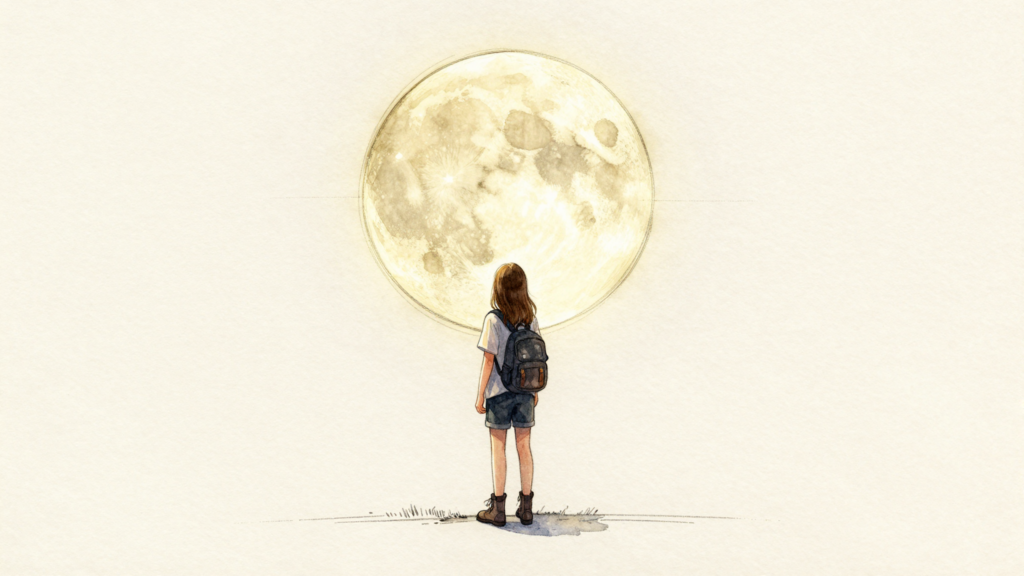
أَنَا يَا بَدْرُ غَرِيبٌ هَلْ سَتَغْدُو لِي رَفِيقَا؟
أَنَا أَهْوَاكَ كَمَا أَنْتَ فَلَا أَشْكُوكَ ضِيقَا
كُنْ كَمَا أَبْغِيكَ تَغْشَانِيَ إِيحَاءً وَذَوْقَا
كُنْ لِعَيْنَيَّ وَمِيضًا وَلِأَحْلَامِي طَرِيقَا
لَيْسَ يَهْدَا الْقَلْبُ فِي قُدْسِكَ يَا بَدْرُ خُفُوقَا
كُنْ أَنِيسًا لِفُؤَادِي رَيْثَمَا يَنْسَى عَشِيقَا
كُلَّمَا قُلْتُ سَأَنْسَى جَدَّدَتْ ذِكْرَاهُ شَوْقَا
كُلَّمَا لَاحَ سُلُوٌّ أَشْعَلَ الْوَجْدُ حَرِيقَا
كُلَّمَا عَمَّ ظَلَامٌ لَمَحَتْ عَيْنِي بَرِيقَا
فَمَتَى يَا بَدْرُ ذَاكَ الْوَمْضُ يَغْدُو لِي شُرُوقَا
هَلْ صَبَابَاتُ غَرَامِي كَالْأَحَاجِي الْمُبْهَمَةْ
هَلْ شُرُوقُ الشَّمْسِ فِي نَفْسِي مَرَاءٍ مُوهِمَةْ
هَلْ زُهُورُ الْحُبِّ فِي ذَاتِيَ صَارَتْ مُضْرَمَةْ
هَلْ حَدِيثُ الْعِشْقِ أَضْحَى فِي سَمَاعِي هَمْهَمَةْ
هَلْ حِكَايَاتِي الْعَفِيفَاتُ اسْتَحَالَتْ مَأْثَمَةْ
حَالِكُ الْمَنْظَرِ حَوْلِي أَمْ عُيُونِي مُظْلِمَةْ
رُدَّ يَا بَدْرُ فَعَقْلِي مَا دَهَانِي أَبْكَمَهْ
إِنَّهُ لُغْزُ حَيَاتِي لَسْتُ أَدْرِي طِلْسَمَهْ
إِنَّهُ دَاءُ فُؤَادِي كُنْ لِدَائِي بَلْسَمَهْ
صُبَّ يَا بَدْرُ السَّنَا لَقِّحْ زُهُورِي الْمُغْرَمَةْ
أَنَا فِي الشَّرْقِ وَفِي الْغَرْبِ غَرِيبُ الْخَطَوَاتِ
تَائِهٌ فِي دَرْبِيَ التَّائِهِ بَيْنَ الْفَلَوَاتِ
أَيْنَمَا سِرْتُ تَوَلَّتْ اِبْتِسَامَاتُ حَيَاتِي
تُفْلِتُ الشَّمْسُ عَنِ الْعَيْنِ فَأَبْقَى فِي شَتَاتِي
وَإِذَا لَاحَ لِعَيْنَيَّ بَصِيصُ الْوَمَضَاتِ
أَسْدَلَ الْيَأْسُ سِتَارًا مُكْفَهِرَّ الْقَسَمَاتِ
فَاسْتَحَالَتْ نَظَرَاتِي فِي دُجًى مُحْلَوْلِكَاتِ
عَالَمُ الظُّلْمَةِ حَوْلِي فَهْوَ يُطْفِي بَسَمَاتِي
حُرِمَتْ فِيهِ شِفَاهِي مِنْ لَذِيذِ الرَّشَفَاتِ
فَمَتَى يَا بَدْرُ تَبْدُو مُعْلِنًا بَدْءَ حَيَاتِي
هَطَلَتْ رَغْمَ اصْطِبَارِي قَطْرُ دَمْعَاتِي السَّخِينَةْ
وَيَظَلُّ الْقَلْبُ تَعْوِي فِيهِ آهَاتِي الدَّفِينَةْ
صَرْخَتِي تَاهَتْ بِوَادِي الشَّجَنِ الْمُرِّ حَزِينَةْ
أَسْدَلَ اللَّيْلُ رِوَاقًا وَانْزَوَتْ عَنِّي السَّكِينَةْ
تَصْخَبُ الْأَمْوَاجُ حَوْلِي ضَاعَ رُبَّانُ السَّفِينَةْ
فِي مُحِيطٍ مِنْ سَرَابِ الْوَهْمِ أَوْحَى لِي فُتُونَهْ
رَاقَنِي مِنْهُ ائْتِلَاقُ الْحُلْمِ وَالْأَطْيَافُ دُونَهْ
لَيْتَنِي أَدْرِي مَتَى قَدْ يَصْدُقُ الْحُلْمُ وَأَيْنَهْ
ضَاقَ قَلْبِي يَا سَرَابِي فَمَتَى تَمْحُو شُجُونَهْ
أَنَا لَمْ أَيْأَسْ وَلَكِنْ أَيْنَ قَدْ تَرْسُو السَّفِينَةْ؟
جدة — 17/1/199
أَنَا يَا بَدْرُ غَرِيبٌ هَلْ سَتَغْدُو لِي رَفِيقَا؟
أَنَا أَهْوَاكَ كَمَا أَنْتَ فَلَا أَشْكُوكَ ضِيقَا
كُنْ كَمَا أَبْغِيكَ تَغْشَانِيَ إِيحَاءً وَذَوْقَا
كُنْ لِعَيْنَيَّ وَمِيضًا وَلِأَحْلَامِي طَرِيقَا
لَيْسَ يَهْدَا الْقَلْبُ فِي قُدْسِكَ يَا بَدْرُ خُفُوقَا
كُنْ أَنِيسًا لِفُؤَادِي رَيْثَمَا يَنْسَى عَشِيقَا
كُلَّمَا قُلْتُ سَأَنْسَى جَدَّدَتْ ذِكْرَاهُ شَوْقَا
كُلَّمَا لَاحَ سُلُوٌّ أَشْعَلَ الْوَجْدُ حَرِيقَا
كُلَّمَا عَمَّ ظَلَامٌ لَمَحَتْ عَيْنِي بَرِيقَا
فَمَتَى يَا بَدْرُ ذَاكَ الْوَمْضُ يَغْدُو لِي شُرُوقَا
The Full Moon… and Heartache1
- O full moon, I am a stranger: will you be my comrade on the way?
- I love you just the way you are, and bring no grievance, no dismay.
- Be as I would have you be: come over me as inspiration and as taste2;
- be a gleam before my eyes, and for my dreams, a road.
- In your hallowed presence3, moon, the heart can find no rest; it throbs away.
- Keep my heart company, until it can forget the one it loved.
- Each time I say, ‘I shall forget,’ the memory renews my longing4;
- each time some solace comes in sight, passion kindles up a blaze;
- each time the darkness spreads, my eye can catch a glinting ray.
- So when, O moon, will that same gleam become for me the break of day?
- Are the ardours of my love like riddles, dark and hard to read?
- Is the sunrise in my soul mere visions, conjured to mislead?
- Have the flowers of love within me now been set alight?
- Has the talk of love become mere mumbling in my ears?
- Have my chaste stories turned into a sin?
- Is it pitch-black all around me, or is it my eyes that are dim?
- Answer, O moon, for what has struck me has left my reason dumb.
- It is the riddle of my life, and I don’t know its talisman5;
- it is my heart’s own sickness: for my sickness, be the balm.
- Pour down your radiance, moon; pollinate6 my lovesick blooms.
- In the East and in the West, I am a stranger in my every stride,
- lost upon my own lost road, where only empty wastelands lie.
- Wherever I may go, the smiles of my life turn from me and pass me by;
- the sun slips from my eyes, and I am left in my disarray.
- And if the faintest glimmer ever flickers up before my eyes,
- despair lets fall a curtain, grim and scowling in its guise,
- and all my glances turn, and sink in darkness black as night.
- A world of darkness lies around me, and it snuffs out all my smiles;
- there my lips have been denied the sweetness of their sips7.
- So when, O moon, will you appear, proclaiming that my life begins?
- For all my patience, my hot tears have rained down, drop by drop,
- and in my heart my buried sighs go howling on, and never stop.
- My cry has lost its way, and wanders, grieving, in the valley of bitter woe.
- Night has let its canopy fall, and calm has crept away from me.
- The waves are roaring round me, and the captain of the ship is lost
- in an ocean of illusion’s mirage, which breathed its spell in me.
- What charmed me there was the shimmer of the dream, the phantoms8 hovering below.
- If only I knew when the dream might yet come true, and where!
- My heart is straitened, O my mirage9: when will you wipe away its care?
- I have not despaired; but where will the ship drop anchor?
Notes
- Badr is the moon at the full, the classical image of beauty and of light in the dark. Shajan is sorrow mixed with yearning, the ache of a lonely, longing heart. The poem is a long address to the moon, and it closes by turning to a mirage. ↩
- Dhawq is literally ‘taste’, and hence a refined sense of beauty; in Sufi usage it is also direct spiritual ‘tasting’, knowledge experienced rather than learned. The moon is asked to envelop the poet (taghshānī) as both inspiration and felt experience. ↩
- Quds is holiness or sanctity, and also a sacred precinct: the heart throbs on even in the moon’s pure, hallowed presence. ↩
- Jaddadat dhikrāhu shawqan: the memory (dhikrāhu) is the subject, and it renews the longing, as passion and the eye act in the two verses that follow. Every resolve to forget ends with the memory calling the loved one back. ↩
- Ṭilasm (talisman) is a charm inscribed with secret signs, and ṭalāsim has come to mean anything undecipherable. Not knowing the ṭilasm of his riddle means lacking the key or the spell that would open it. ↩
- Laqqiḥ, ‘pollinate, fertilise’, is used of pollen and of the wind carrying it (Qurʾān 15:22 speaks of ‘fertilising winds’). The moonlight is asked to fall like pollen on the flowers of his love so that they may bear fruit. ↩
- Rashafāt, ‘sips’, are in Arabic love poetry the sips taken from the beloved’s lips, that is, kisses. ↩
- Aṭyāf, plural of ṭayf, are the phantoms of the beloved that visit a lover by night, a classical motif. Dūnahu may mean ‘below it’, ‘near it’ or ‘short of it’; the phantoms hover just this side of the dream, alluring but not the real thing. ↩
- The address shifts from the moon to ‘my mirage’ (sarābī): the poet now speaks to the very illusion that has misled him, and begs it to heal the sorrow it has caused. ↩
English translation prepared by artificial intelligence and reviewed against the Arabic for accuracy of meaning and rhetoric.