
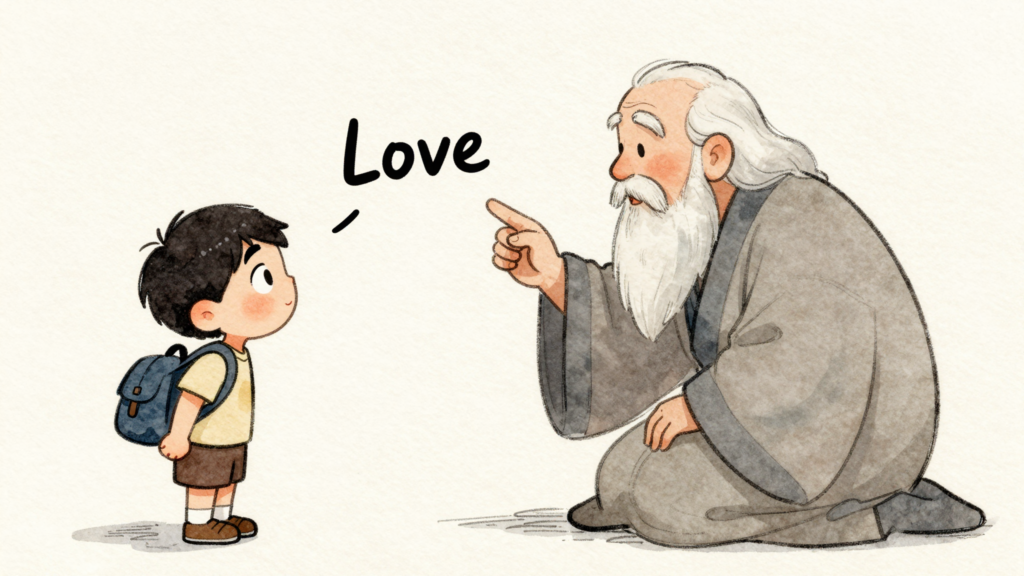
أَلَمْ تَدْرِ كَيْفَ الْحُبُّ أَمْ كَيْفَ يُولَدُفَجِئْتَ إِلَى مَنْ بِالْهَوَى يَتَوَقَّدُ
وَمِنْ أَيْنَ لِي شَرْحُ الْهَوَى وَصِفَاتِهِوَقَدْ جَلَّ عَنْ وَصْفٍ وَشَرْحٍ يُمَهِّدُ
نَعَمْ مُهْجَتِي ذَاقَتْ مَرَارَةَ طَعْمِهِوَلَكِنَّهُ حُلْوٌ وَقَلْبِيَ يَشْهَدُ
نَعَمْ مُقْلَتِي ذَابَتْ وَقَرَّحَ جَفْنَهَاسُهَادُ اللَّيَالِي وَالْكَوَاكِبُ شُهَّدُ
نَعَمْ أَنَا مُضْنًى بِالصَّبَابَةِ وَالْجَوَىيُؤَجِّجُ نَاراً فِي فُؤَادِي وَيُوقِدُ
نَعَمْ لَمْ يَنَلْ قَلْبِي مُنَاهُ مِنَ اللِّقَافَدَمْعِيَ سَيَّالٌ وَجَفْنِي مُسَهَّدُ
وَأَسْهَرُ فِي اللَّيْلِ الطَّوِيلِ تَأَوُّهاًأُنَاجِي نُجُوماً سَاطِعَاتٍ وَأَرْصُدُ
وَلَكِنَّنِي رَاضٍ بِمَا أَنَا مُوثَقٌبِهِ مِنْ قُيُودِ الْحُبِّ أَوْ مَا أُقَلَّدُ
فَبَيْنَ اللِّقَا وَالْبَيْنِ وَالصَّدِّ وَالنَّوَىعَذَابٌ وَنُعْمَى وَابْتِسَامٌ مُوَرَّدُ
عَذَابِي بِهِ عَذْبٌ فَمَهْمَا تَزَايَدَتْبِيَ النَّارُ وَقْداً فِي فُؤَادِيَ أَسْعَدُ
غُدُوِّي رَوَاحِي فِيهِ لَا أَبْرَحُ الْهَوَىوَلِي فِيهِ آيَاتٌ تُثَنَّى وَتُفْرَدُ
وَلَكِنَّنِي أَعْيَا إِذَا جَاءَ سَائِلٌعَنِ الْحُبِّ عَنْ شَرْحِ الْهَوَى أَتَبَلَّدُ
وَأَعْجِزُ عَنْ ضَرْبِ الْمِثَالِ مُشَبِّهاًبِهِ مَا أَرَى مِنْ كُلِّ شَيْءٍ وَأَشْهَدُ
عَرَفْتُ الْهَوَى حِسّاً وَلَمْ أَدْرِ كُنْهَهُمَشَاعِرُ قَلْبٍ فَهْيَ تَرْغُو وَتُزْبِدُ
مَسَالِكُهُ دَقَّتْ إِلَى الْقَلْبِ فَالْحِجَىيَطِيرُ إِذَا احْتَلَّ الْفُؤَادَ وَيَبْعُدُ
وَتَنْتَابُ نَبْضَاتِ الْفُؤَادِ ارْتِعَاشَةٌفَتَعْبَثُ فِي صَدْرِ الْحَبِيبِ تُغَرِّدُ
وَأَوْصَافُهُ كُثْرٌ وَلَكِنَّ جُلَّهَاسُهَادٌ وَفِكْرٌ ثُمَّ ذِهْنٌ مُشَرَّدُ
هُوَ الْحُبُّ لَا يُدْرَى بِقَوْلٍ وَإِنَّمَايُحَسُّ فَأَنَّى مِنْهُ وَصْفٌ وَمَشْهَدُ
مقديشو — 8/11/1988م
To One Who Asks About Love
- Do you not know what love is, or how it comes to birth,
that you have come to one whom passion has set alight? - And how could I explain its nature and its traits,
when it's too high for words, or any gloss, to bring to light? - Yes, my soul has tasted all its bitterness;
and yet it's sweet, as my own heart can testify. - Yes, my eye has melted1, and the vigils of the nights
have left its lids rubbed raw, with stars as witnesses2 in sight. - Yes, I am worn thin with ardent longing and a burning pain
that kindles fire within my heart and keeps it blazing bright. - Yes, my heart has never won the meeting that it craves,
and so my tears keep flowing, and my eyelids wake all night. - I lie awake the long night through, and sigh,
and whisper to the shining stars, and keep them in my sight. - And yet I am content with every fetter love has bound me with,
or any collar3 I am made to wear. - For between meeting, parting, spurning and the miles apart
there's torment, there's delight, and there's a smile of rosy light. - My torment4 in it is sweet: the higher
the fire that blazes in my heart, the greater my delight. - My mornings and my evenings pass in it; I never leave off love,
and in it I have signs5, in pairs and singly, to recite. - And yet I'm at a loss when someone comes to ask
of love: faced with explaining passion, I go numb. - I cannot strike a likeness for it, cannot liken it
to anything I see, to anything that meets my sight. - I've known love as a feeling, never knowing what it is:
a heart's emotions, frothing up and foaming over6. - Its paths into the heart are so fine that reason,
once love has seized the heart, takes wing and vanishes from sight. - A tremor comes and seizes on the heartbeats,
and plays within the lover's7 breast, and warbles. - Its traits are many, but the most of them
are sleeplessness and brooding, then a mind in homeless flight. - That is love: it isn't known by words,
but only felt; so how could it be told, or brought before the sight?
Mogadishu, 8 November 1988
Notes
- The Arabic reads dābat, most probably for dhābat, 'has melted, wasted away', a common image for the eye of the weeping, sleepless lover. If it is read as daʾabat, 'has persisted', the sense would be that the eye has kept up its vigil without rest. ↩
- Shuhhad, 'witnesses', is the plural of shāhid, which also means 'one who is present and awake'. The stars are awake with him all night and can testify to his sleeplessness. Keeping watch over the stars (raʿy al-nujūm) is a classic sign of the sleepless lover in Arabic poetry, and verse 7 returns to it. ↩
- Uqalladu, 'I am made to wear about my neck', comes from qilāda, a necklace or collar. Taqlīd is to hang a necklace on someone, but also to put a marking collar on a sacrificial animal and to invest someone with an office. Love's bonds may thus be a fetter, an ornament or an honour: the lover accepts them in whatever form they come. ↩
- ʿAdhābī … ʿadhb, 'my torment … sweet', are two words of the same root, ʿ-dh-b, that sound almost alike (a jinās of derivation). The sound itself carries the paradox of a suffering that is a delight. ↩
- Āyāt means 'signs, marks, wonders', and also the verses of the Qur'an. Tuthannā wa-tufradu, 'are doubled and made single', suggests verses recited again and again, and recalls al-mathānī, 'the oft-repeated', a Qur'anic name for its own verses (15:87; 39:23). The signs are the countless tokens of his love, and perhaps also the poems it makes him compose and repeat. ↩
- Targhū wa-tuzbidu, 'froths and foams', is said of a boiling pot or a raging sea: feeling surges in the heart beyond any grasp of it. The text as printed has tazīdu, 'increase, swell'. ↩
- Ḥabīb can mean both 'lover' and 'beloved'. It is taken here as the lover, since the whole poem describes the poet's own heart. It can also be read as 'the beloved's breast', meaning that the tremor of love passes from one heart to the other. ↩
English translation prepared by artificial intelligence and reviewed against the Arabic for accuracy of meaning and rhetoric.