
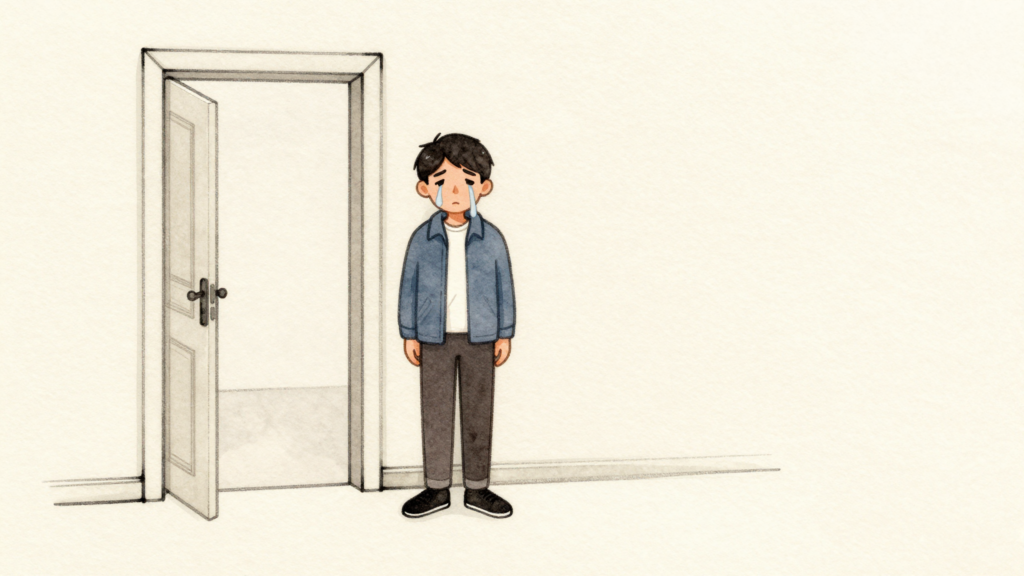
مُنْذُ فَارَقْتِ يَا حَبِيبَةُ رَبْعِيلَسْتُ أَدْرِي بِالضَّبْطِ مَاذَا اعْتَرَانِي
فَاضَ دَمْعِي مِنَ الْمَآقِي اشْتِيَاقًاوَحَنِينًا إِلَى الْفَمِ الْأُرْجُوَانِي
نَضَبَ الْجِسْمُ وَاعْتَرَاهُ ذُبُولٌوَشُحُوبٌ وَغَابَ عَنِّي اتِّزَانِي
وَخَيَالِي يَهِيمُ فِي كُلِّ صَوْبٍبِسَفِينِ الذِّكْرَى بِلَا قُبْطَانِ
فِي مُحِيطٍ مِنَ السَّرَابِ عَجِيبٍدُونَمَا مَرْفَإٍ وَلَا شُطْآنِ
وَأَرَى الطَّيْفَ طَيْفَهَا مِنْ أَمَامِيفَتَسِيلُ الدُّمُوعُ مِنْ أَجْفَانِي
وَأُنَاجِي خَيَالَهَا فِي شُعُورٍيَتَخَطَّى حَوَاجِزَ الْأَوْزَانِ
سَامِحِينِي فَلَسْتُ أُحْسِنُ شِعْراًأَوْ قَرِيضاً تُصَاغُ فِيهِ الْمَعَانِي
فَمِنَ الْقَلْبِ يَصْدُرُ الشِّعْرُ عَفْواًفَيُحَاكِي بَلَابِلَ الْأَشْجَانِ
وَأُغَنِّي وَلَا أُرِيدُ غِنَاءًإِنَّمَا اللَّحْنُ يَعْتَرِي هَذَيَانِي
وَيُرَوِّي فُؤَادِيَ الصَّبَّ نَغْماًكَنَمِيرٍ يَسِيلُ مِنْ وِجْدَانِي
وَيُغَنِّي لَحْنَ الْأَسَى زَفَرَاتٍكَلَهِيبٍ يَثُورُ مِنْ بُرْكَانِي
فَأُسَلِّيهِ بِالْمُنَى وَالتَّأَنِّيفَقَرِيباً سَتَنْطَفِي نِيرَانِي
فَأُحِسُّ الْفُؤَادَ يُصْدِرُ هَمْساًوَأَنِيناً تَذُوبُ فِيهِ الْأَمَانِي
أَيُّهَا الطَّيْفُ لَا تُغَادِرْ فُؤَادِيقَدْ كَفَانِي مَا قَدْ دَهَانِي كَفَانِي
لَمْ أَعُدْ أَشْهَدُ الْعُيُونَ اللَّوَاتِيغَمَرَتْنِي بِسِحْرِهَا الْوَسْنَانِ
لَا وَلَا أَسْمَعُ الشَّجَى فِي مُنَاجَاةٍ بِإِيقَاعِ صَوْتِهَا الرَّنَّانِ
لَمْ أَعُدْ أَخْتَشِي الدُّجَى فَالْمَآسِيوَهُمُومُ الْوَرَى حَوَاهَا جَنَانِي
لَسْتُ أَدْرِي مَتَى يَكُونُ هَنَائِيفَهَنَائِي لِقَاؤُنَا فِي ثَوَانِي
لَحَظَاتٌ وَتَنْتَهِي نَفَثَاتِيوَيُوَارِي قَبْرُ الثَّرَى جُثْمَانِي
تِلْكَ حَالِي يَا أَيُّهَا الطَّيْفُ آنِسْوَحْشَتِي الْآنَ لَا تَدَعْنِي وَشَانِي
The Pain of Parting
- Since you left my dwelling1, my beloved,
what has come over me I do not rightly know. - My tears have overflowed my eyes with longing
and yearning for that crimson mouth. - My body has run dry; a withering, a pallor
have seized it, and my balance has deserted me. - My fancy wanders, drifting everywhere,
on memory’s ship, no captain, to and fro, - upon a strange ocean of mirage2,
with no harbour and no shore where it can go. - And I see the phantom3, her phantom, there before me,
and from my eyelids the tears begin to flow. - And I commune with her image in a feeling
that breaks through all the barriers of metre4. - Forgive me, for I have no skill in poetry,
or in the crafted verse in which meanings are cast. - For poetry comes from the heart unbidden5,
and so it echoes the nightingales of sorrow6. - And I sing, though I do not want to sing;
it is only that melody comes over my ravings, - and waters my love-struck heart with song,
like a clear spring that from my inmost feeling flows, - and sings the melody of grief in sighs,
like flame that bursts out of my own volcano. - So I console my heart with hopes and patience:
soon now these fires of mine will cease to glow. - Then I feel my heart give out a whisper
and a moan in which all hopes dissolve. - O phantom, do not leave my heart!
What has befallen me is enough, enough of woe! - I see no more the eyes that flooded me
with the drowsy magic of their flow, - no, nor do I hear the tender plaint
in the confiding of her ringing voice. - I no longer fear the dark, for my heart has taken in
the tragedies and cares that humankind can know. - I do not know when happiness will be mine;
my happiness is our meeting, if only for seconds. - A few moments, and my last breaths will end,
and the earth of the grave will hide my body below. - Such is my state, O phantom: keep me company
in my loneliness now; do not leave me alone.
Notes
- Rabʿ is the dwelling place or encampment, the word of the classical Arabic ode for the abandoned campsite of the beloved, over whose traces the poet weeps. Using it here gives the parting an echo of that old scene of loss. ↩
- Sarāb is the mirage of the desert, the shimmer that looks like water and is not. An ‘ocean of mirage’ is an illusion made vast: the ship of memory sails on a sea that does not exist, which is why it can find no harbour and no shore. ↩
- Ṭayf is the phantom of the beloved that visits the lover by night, a central motif of classical Arabic love poetry. The poet addresses it directly in the closing verses, begging it not to leave him. ↩
- Awzān means ‘weights, measures’ and also the metres of Arabic verse. The feeling is too great for any measure, and in particular for the measured forms of poetry, which leads into the apology of the next verse. ↩
- ʿAfwan means ‘spontaneously, without effort or contrivance’; in everyday modern Arabic the same word also means ‘pardon, sorry’. Coming just after ‘forgive me’ (sāmiḥīnī), it lets the ear hear an apology again, while the sense is that true poetry flows of itself rather than being worked, unlike the qarīḍ, the formally crafted verse, of the previous verse. ↩
- Balābil al-ashjān, ‘the nightingales of sorrow’. Balābil is the plural of bulbul, the nightingale, whose song is traditionally heard as a lament; it is also the plural of bilbāl, ‘anxiety, disquiet of the heart’. The phrase therefore also means ‘the anxieties of sorrow’: the poet’s verse is both the nightingale’s plaint and the heart’s unrest. ↩
English translation prepared by artificial intelligence and reviewed against the Arabic for accuracy of meaning and rhetoric.