
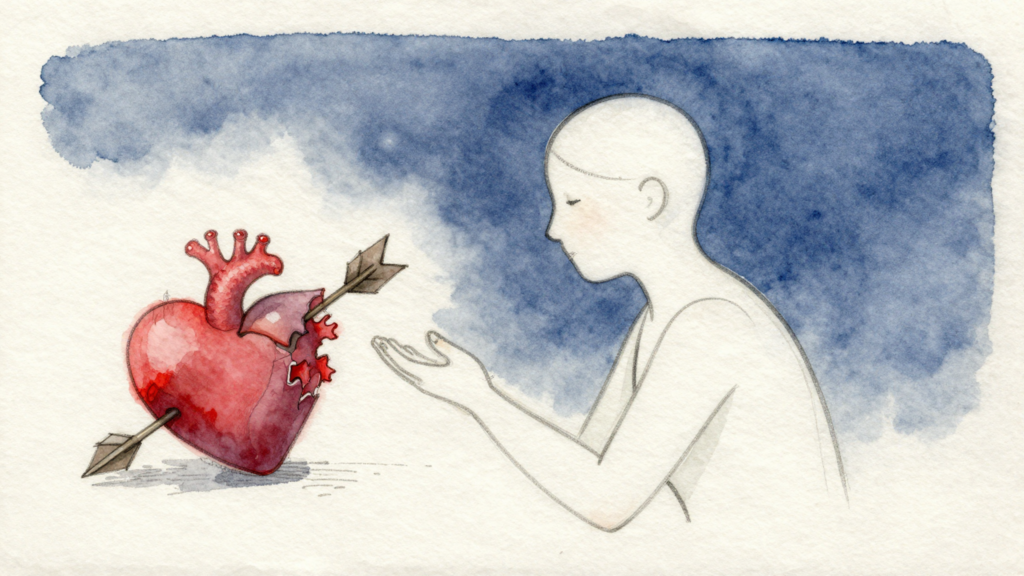
أَيَا حُبُّ مَا لِي أَرَاكَ أَشَحْتَبِوَجْهِكَ عَنِّي وَخَاصَمْتَنِي؟
وَيَا حُبُّ مَاذَا أَقُولُ وَمَهْمَاشَكَوْتُكَ لِلَّيْلِ لَمْ يُجْدِنِي؟
أَلَمْ أَكُ آمُلُ فِيكَ هَنَائِيفَمَالَكَ لِلْيَأْسِ أَسْلَمْتَنِي؟
وَمَا لَكَ لَمَّا صَفَا لَكَ وُدِّينَسِيتَ وِدَادِي وَأَهْمَلْتَنِي؟
وَمَا لَكَ بِعْتَ صَفَاءَ الْقُلُوبِبِكَذْبِ الْوُعُودِ وَوَدَّعْتَنِي؟
وَمَا لَكَ مَا زِلْتَ تَرْمِي سِهَاماًوَفِي الْقَلْبِ جُرْحُكَ قَدْ هَدَّنِي؟
وَمَا لَكَ بِالْغَدْرِ أَرْسَلْتَ سَهْماًوَنَكَّأْتَ جُرْحاً فَآلَمْتَنِي؟
وَسُمًّا نَقِيعاً كَخَمْرٍ زُلَالٍبِكَأْسِ الْأَمَانِيِّ جَرَّعْتَنِي؟
أَلَمْ أَتَّخِذْكَ مَلِيكًا عَلَيَّفَمَا لَكَ بِالنُّكْرِ قَابَلْتَنِي؟
وَكُنْتُ بَعِيداً عَنِ الْمُغْرِيَاتِفَكَيْفَ بِرَبِّكَ أَغْرَيْتَنِي؟
إِلَيْكَ أَيَا حُبُّ هَذَا الْعِتَابُ مَا دُمْتَ فِي الْهَمِّ أَغْرَقْتَنِي؟
فَمُدَّ إِلَيَّ يَدَيْكَ سَرِيعاًلِتُنْقِذَ نَفْسِيَ مِنْ «لَيْتَنِي»؟
أَيَا حُبُّ عَفْواً، أَجِبْ عَنْ سُؤَالِيأَمَا زِلْتَ حُبّاً وَقَدْ خُنْتَنِي؟
فُؤَادِي طَوَاهُ ظَلَامُ الدَّيَاجِيوَبُؤْسُ اللَّيَالِي تَمَكَّنَ مِنِّي
وَهَمْسِيَ يَرْجِعُ لَحْناً حَزِينًافَمَهْدُ الْهُمُومِ غَدَا مَوْطِنِي
وَمَاتَ بِقَلْبِي سَنَا الْأُمْنِيَاتِوَغَابَ بِعَيْنِي ضِيَاهَا السَّنِي
وَجَدْتُ الْحَيَاةَ حَيَاةَ الْبَهَائِــمِ أَحْلَى مِنَ الْعَيْشِ فِي أَزْمُنِي
فَهَذِي الْحَيَاةُ، أَمَامِي، وَرَائِي،تُرِيدُ الْهُجُومَ عَلَى مَأْمَنِي
فَمَا رُمْتُ دَهْرِيَ أَنْ أَحْتَسِيكُؤُوسَ السَّعَادَةِ أَوْ أَغْتَنِي
سِوَى أَنْ يُفَاجِئَ لَذَّةَ عَيْشِيزَمَانٌ أَتَانِيَ مِنْ مَكْمَنِ
غَفَا الدَّهْرُ عَنِّيَ يَوْمًا وَجَاءَيَكُرُّ عَلَيَّ بِمَا سَامَنِي
فَيَا نَفْسُ جِدِّي وَلَا تَهْزِلِيفَدَهْرُكِ مَاضٍ وَلَا يَنْثَنِي
O Love!
- O Love1, why is it, as I see,
you’ve turned your face from me, and quarrelled with me? - And, Love, what can I say, when all
my plaints of you to the night have not availed me? - Did I not hope in you for joy?
Then why have you let despair take me? - And why, when my love for you ran pure,
did you forget that love, and neglect me? - And why did you sell the purity of hearts
for lying promises, and take leave of me? - And why do you keep on shooting arrows,
when your wound in my heart has already felled me? - And why, in treachery, loose an arrow,
reopen2 a wound, and so hurt me, - and in hope’s cup, as though it were clear wine,
make steeped poison3 the draught you gave me? - Did I not take you as king over me?
Then why is it ingratitude you pay me? - I was far away from all temptation;
so how, in God’s name, did you tempt me? - To you, O Love, I address this reproach,
since in sorrow you have drowned me. - So reach your hands to me, and quickly,
to rescue my soul from “If only…”4 - O Love, forgive me, but answer me this:
are you still love, when you’ve betrayed me? - My heart lies wrapped in the dark of the blackest nights,
and the misery of the nights has taken hold of me. - My whispers come back as a mournful tune,
for the cradle of cares is now home to me. - The radiance of hopes has died in my heart,
and their brilliant light has vanished from my eyes. - I have found the life of beasts
sweeter than living in the times that fell to me. - For this life, before me and behind me,
is bent on storming my sanctuary. - Never in all my days5 have I sought
to drink the cups of joy, or to grow wealthy; - it is only that time came at me from ambush
to fall on the sweetness of my life, suddenly. - Fate dozed and passed me by one day, then came
charging back with all the hurt it has dealt me. - So, my soul, be earnest, and do not jest,
for your time cuts onward6, and goes on unswervingly.
Notes
- The whole poem is an apostrophe to Love personified, and most of its verses are rhetorical questions of reproach, introduced by mā laka (‘what ails you?’, ‘why?’). They expect no answer: they are the complaint of a lover betrayed by love itself, whom he had ‘taken as king over him’ (verse 9). ↩
- Nakkaʾa jurḥan means to scrape open a wound that had begun to close, so that it bleeds afresh. The arrow does not make a new wound but reopens an old one. ↩
- Al-samm al-nāqiʿ, ‘steeped poison’, is a classical phrase for poison that has been left to soak until it is at full strength, and so deadly. Zulāl is clear, pure and cool, a word normally used of fresh water. Love’s cup of hopes held what looked like the purest wine and was in fact poison. ↩
- Laytanī, ‘would that I…!’, ‘if only I had…!’, is the Arabic formula of regret. Quoted as a single word, it stands for the whole state of remorse from which the poet begs Love to rescue him. ↩
- Dahr is time, the long course of days, and also fate; dahrī here means ‘all my life’. In classical Arabic poetry the dahr is a personified, often hostile power that lies in wait for people and strikes them without warning. The last four verses draw on this figure: time lies in ambush, dozes, then charges back. ↩
- Māḍin means ‘going on, passing without stopping’, and it is also the standard epithet of a sharp, cutting sword; lā yanthanī, ‘it does not turn back’, also means ‘it does not bend’, as a good blade does not. Time is thus both passing away, which is why the soul must be in earnest, and as keen and unbending as a sword. The call jiddī wa-lā tahzilī sets the opposites jidd and hazl, seriousness and jest, side by side. ↩
English translation prepared by artificial intelligence and reviewed against the Arabic for accuracy of meaning and rhetoric.