
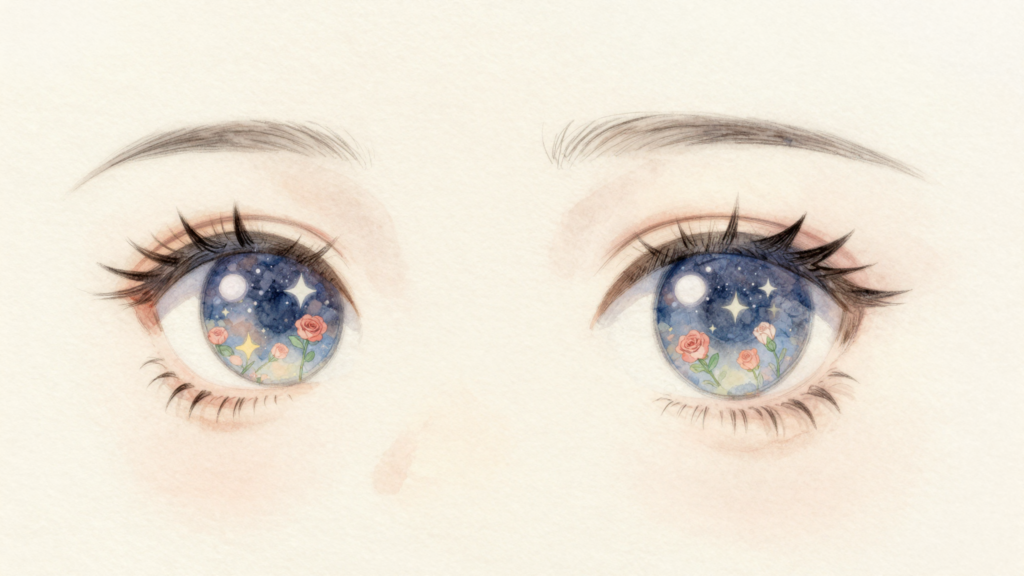
عَيْنَاكِ هَمْسٌ وَاضِحُ النَّبَرَاتِيَدْعُو الْحَبِيبَ بِنَاعِمِ النَّغَمَاتِ
عَيْنَاكِ أَنْشَقُ مِنْهُمَا مِسْكاً مُذَاباً عَابِقاً يَحْكِي شَذَى الزَّهَرَاتِ
عَيْنَاكِ يَكْفِينِي حَدِيثُهُمَا إِذَاعَزَّ الْحَدِيثُ الْحُلْوُ فِي الْخَلَوَاتِ
عَيْنَاكِ أُبْصِرُ فِيهِمَا النَّجْوَى بِلَاهَمْسٍ يُذَاعُ وَلَا صَدَى الْكَلِمَاتِ
عَيْنَاكِ إِنْ كَثُرَتْ شُجُونِي وَانْتَفَىعَنِّي الْكَرَى وَتَوَسَّلَتْ عَبَرَاتِي
فَهُمَا تُتِيحَانِ الْوَسِيلَةَ لِلْفُؤَادِ تُحَقِّقَانِ لِنَفْسِيَ الرَّغَبَاتِ
عَيْنَاكِ مَنْبَعُ بَهْجَتِي وَسَعَادَتِيعَيْنَاكِ فِتْنَةُ هَذِهِ اللَّحَظَاتِ
عَيْنَاكِ دُنْيَا لَا سَبِيلَ إِلَيْهِمَافَهُمَا الْمَرَافِئُ فِي مُحِيطِ حَيَاتِي
عَيْنَاكِ حَسْبِي لَا أُرِيدُ سِوَاهُمَاوَهُمَا السَّمَا نُثِرَتْ بِهَا نَجَمَاتِي
عَيْنَاكِ إِنْ تَاهَتْ سَفِينَةُ مُهْجَتِيفِي لُجِّهَا فَهُمَا هُمَا جَنَّاتِي
عَيْنَاكِ أَهْرُبُ مِنْهُمَا وَإِلَيْهِمَابَلْ فِيهِمَا أَجِدُ الْأَمَانَ لِذَاتِي
عَيْنَاكِ إِنِّي قَدْ أَغَارُ مِنَ الَّذِيرَنَتَا إِلَيْهِ فَوَفِّرِي اللَّفَتَاتِ
عَيْنَاكِ إِنِّي عَاشِقٌ مُتَوَلِّهٌلَهُمَا وَمَا لِسِوَاهُمَا صَبَوَاتِي
عَيْنَاكِ عَالَمِيَ الْأَثِيرُ لِمُهْجَتِيمِحْرَابُ حُبِّي مُلْتَقَى سَبَحَاتِي
مقديشو — 1/5/1987م
Your Eyes
- Your eyes: a whisper, every tone of it clear,
that calls the one who loves you with soft airs that play. - Your eyes: from them I breathe a molten musk,
heavy with fragrance, like the scent of blossom sprays. - Your eyes: their talk suffices me whenever,
in our moments alone, sweet talk gives way. - Your eyes: in them I see the heart’s confiding,
with no whisper spread abroad, no echo of a phrase. - Your eyes: whenever my sorrows multiply, and sleep
has fled from me, and my tears plead1 and pray, - it is they that grant my heart the means1 it seeks,
and bring to pass the longings of my soul. - Your eyes: the wellspring of my joy and happiness;
your eyes: the spell that holds these moments in its sway. - Your eyes: a world to which there is no road;
and they are the harbours in the ocean of my days. - Your eyes are all I need; I want no other;
they are the sky, and scattered through it are my stars. - Your eyes: if the ship of my heart should lose its way
upon the deep, then they, they alone, are my gardens of paradise. - Your eyes: I flee from them, and to them2 I flee;
no, it is in them I find my refuge and my stay. - Your eyes: I may grow jealous of whoever
they rest upon, so be sparing of your gaze. - Your eyes: I am a lover lost in rapture
for them; my yearnings go to them, and never stray. - Your eyes: my world, the dearest3 to my heart,
the prayer-niche4 of my love, where all my hymns of praise convene.
Mogadishu, 1 May 1987
Notes
- Tawassalat (‘pleaded, sought a means of approach’) and al-wasīla (‘the means’) in the next verse come from the same root. Tawassul is also the word for seeking God’s favour through an intercessor, so the tears plead like supplicants, and the eyes grant exactly the wasīla they were pleading for. ↩
- The verse echoes a phrase of Islamic devotion addressed to God: lā maljaʾa wa-lā manjā minka illā ilayk, ‘there is no refuge and no escape from You except to You’, found in a well-known prayer before sleep and resonant with Qur’an 9:118. The lover transfers this language of total dependence to the beloved’s eyes: they are at once what he must flee and the only place to flee to. ↩
- Al-athīr means ‘the most cherished, the preferred’, and it is also ‘the ether’, the upper sky. Beside ‘my world’, the word lets the eyes be both the dearest thing and a heaven, as in verse 9, where they are the sky of the poet’s stars. ↩
- Miḥrāb is the niche in a mosque that marks the direction of prayer, and subuḥāt are acts of glorifying God, the praises and rosary-telling of worship. The closing verse raises the eyes into a place of devotion, where all the lover’s worship is gathered. ↩
English translation prepared by artificial intelligence and reviewed against the Arabic for accuracy of meaning and rhetoric.