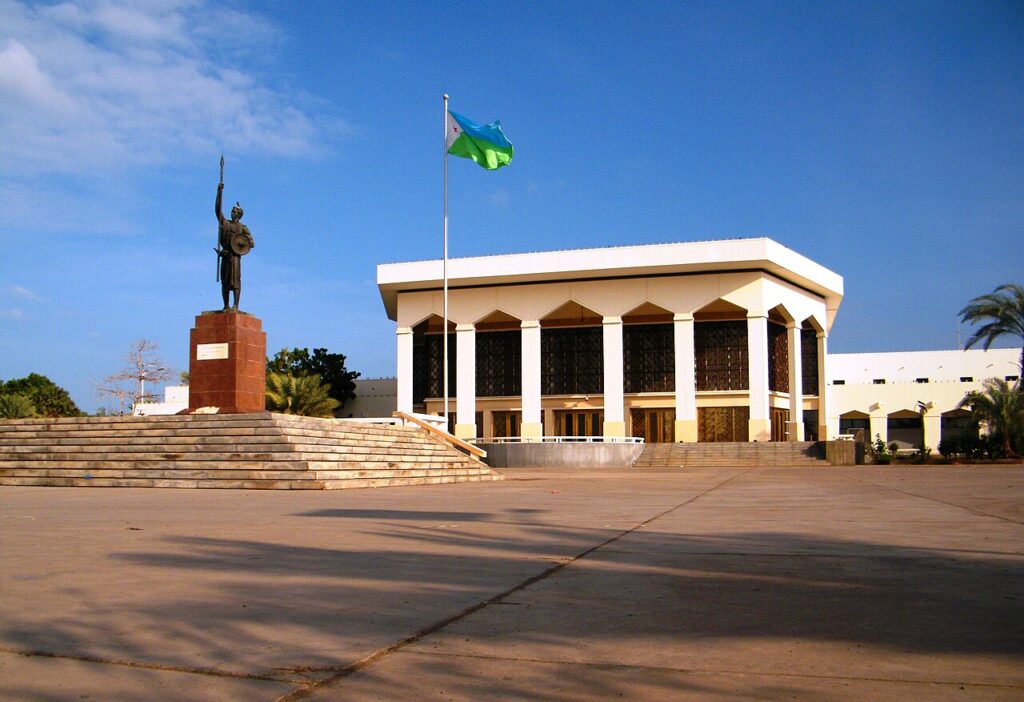
الصورة: قصر الشعب في مدينة جيبوتي — Skilla1st، ويكيميديا كومنز (CC BY-SA 4.0) — صفحة الصورة
نُشرت هذه المقالة أولًا في موقع «نقوش» القديم (nuqush.com) بتاريخ 15 يونيو 2008.
بعد أيام من الترقب وحبس الأنفاس منذ بدأ الحديث عن مفاوضات تجري بين تحالف إعادة تحرير الصومال والحكومة الفدرالية، ظهرت نتيجة المفاوضات وليدا غير مكتمل المعالم، احتضنه البعض خائفين على حياته، وتجنبه الآخرون واستنكروه وكأنه من سفاح!
ومنذ بدأت المفاوضات بدا واضحا أن هناك خلافات حادة بين أعضاء التحالف بشأن هذه المحادثات، وظهرت الملاسنات العلنية التي كانت ساحتها وسائل الإعلام المختلفة، وانقسم الأعضاء بين مؤيد لجناح أسمرا ومساند لجناح جيبوتي ومترقب ينتظر ما ستؤول إليه الأمور.
وعبر الملاسنات ظهرت الخبايا وبدت الهشاشة التي كان ينطوي عليها التحالف، وبدا تأثير رغبات الدولة المستضيفة عليه وتأثير مصالحها.
وكان جناح أسمرا الذي يقوده الشيخ حسن طاهر أويس أكثر حدة وتجرؤا على اتهام الجانب الآخر، وبدا خطابه متناسقا مع وجهة نظر الحكومة المضيفة له، بينما بدا جناح جيبوتي أقل حديثا حول الخلاف ومقللا من شأنه.
من أهم الأمور بعد تحديد أجل للانسحاب الإثيوبي أن المقاومة لم تلتزم في هذه الاتفاقية بتسليم سلاحها لأي أحد، رغم موافقتها على إيقاف كل أعمال المواجهة المسلحة بعد ثلاثين يوما من التوقيع على الاتفاقية إيقافا يسري لمدة ٩٠ يوما قابلة للتجديد
جوهر الخلاف
يقول جناح أسمرا الذي يقوده الشيخ حسن طاهر أويس إن الوفد الذي ذهب للتفاوض إلى جيبوتي لم يستشر أطر التحالف ولم يتفق الجميع على خوض المفاوضات، ولذلك فهو مخالف للوائح ويعمل لأجندة خفية.
ويقول الجانب الآخر إن الحكومة الإريترية رفضت الاستجابة لطلب رئيس التحالف ورئيس المجلس المركزي باستضافة مؤتمر لجميع الأعضاء حتى يتمكنوا من مناقشة الموضوع، لأنها تعارض حدوث أي تفاوض. وعليه فقد تقرر عقد اجتماع حضره الموجودون داخل أسمرا، وقررت الأغلبية -ما عدا أربعة أشخاص- الذهاب إلى جيبوتي وفق أجندة متفق عليها.
وكذلك اجتمع أعضاء المجلس التنفيذي الموجودون في أسمرا واتفقوا جميعا على الذهاب إلى المفاوضات ما عدا عضوا واحدا. ولكن الشيخ أويس أراد أن لا يتم التفاوض إلا بعد تمكن اجتماع كل الأعضاء، ومن هنا كان هناك اختلاف في تفسير اللائحة فتمسك كل بموقفه.
وتقول بعض المصادر في التحالف إن الشيخ أويس لا يريد مخالفة الحكومة الإريترية ويرى احترام رغبتها في عدم خوض المفاوضات لأن ذلك يعتبر نكرانا للجميل.
ويرى الفريق الآخر أن إريتريا تريد أن تتحكم في قرار التحالف وتضع العراقيل في وجه من يخالف رأيها في الصراع الصومالي، ومن ذلك أنها قطعت جميع الاتصالات عن الشريفين (شريف المحاكم وشريف البرلمان) محاولة أن ترهن قرار التحالف في يدها وهذا ما لم يرضه الشيخ شريف.
ولكن الذي ظهر للجميع أن الصوماليين بإسلامييهم وعلمانييهم يحتاجون إلى تعلم أبجديات المؤسساتية واحترام الهرمية الإدارية، إذ إن رأسي التحالف -وأعني بهما رئيس المجلس المركزي شريف حسن آدم ورئيس المجلس التنفيذي رئيس التحالف الشيخ شريف شيخ أحمد- مع عدد كبير من أعضاء التحالف اختاروا أن يسيروا في طريق التفاوض بشروط حددها المجلسان.
فكان الأجدر أن لا ينقل عضو في المجلس المركزي الخلاف إلى وسائل الإعلام ويضع المجتمع الصومالي كله في حيص بيص، بل يلتزم بالمؤسساتية لحل خلافه مع الآخرين.
وأيا كان الأمر فقد استمرت المفاوضات في جيبوتي وسط هذا الخلاف والتلاسن الإعلامي، وكان أعضاء التحالف في جيبوتي يصرون على إنكار أن هناك مفاوضات تجري بينهم وبين الحكومة الانتقالية، ويقولون إن التفاوض يجري بينهم وبين الأمم المتحدة لإيجاد صيغة تخرج بها القوات الإثيوبية الواقعة في المستنقع من الصومال.
ولكن المراقبين كانوا يعلمون بأن هذه محاولة لإخفاء ما يجري وراء الكواليس عبر وسطاء المجتمع الدولي والأمم المتحدة.
وقبل يوم من إعلان الاتفاقية أعلن فشل الفريقين المتفاوضين في التوصل إلى اتفاق، وكاد كل شيء يرجع إلى أصله لولا جهود مكثفة وضغوط مورست على الجانبين في الساعات الأخيرة ليوقعا على اتفاقية تستجيب للحد الأدنى من مطالبهما.
وأعلِنت الاتفاقية، فما هي جوانبها السلبية والإيجابية؟ وما مدى إمكان تنفيذها؟
بنظرة عامة يبدو لقارئ الاتفاقية أنها صيغت بعناية تامة لتجنيب إثيوبيا أية مسؤولية فيما يحدث في الصومال، ولم يذكر الاحتلال من قريب أو بعيد، بل تم تصوير المشكلة والأزمة على أنها صراع صومالي داخلي منذ ١٨ عاما، وكأن الجانبين المتفقين كانا يتصارعان طوال هذه المدة، مع العلم بأنه لا الحكومة الفدرالية ولا تحالف إعادة تحرير الصومال المعنيين بالاتفاقية كان موجودا خلال سنوات الصراع الأهلي.
ورغم أن الاتفاقية تشير إلى معاناة الشعب الصومالي والخسائر البشرية الهائلة وانعدام الأمن، والدمار الواسع لبنيته التحتية ومرافقه الحيوية الأخرى، وأن هناك جيلا كاملا من الشباب تمت التضحية به بسبب هذه الحرب المدمرة، فإنها لم تذكر المتسبب في كل هذا!
حتى البند الذي يتحدث عن خروج القوات الإثيوبية خلال ١٢٠ يوما تمت صياغته بطريقة تراعي المشاعر المرهفة للحكومة الإثيوبية مراعاة شديدة إلى حد مبالغ فيه، إذ تقول إنه «في غضون ١٢٠ يوما من توقيع هذه الاتفاقية فإن على الحكومة الاتحادية الانتقالية أن تتحرك بما ينسجم مع القرار الذي اتخذته الحكومة الإثيوبية بسحب قواتها من الصومال إثر نشر عدد كاف من قوات الأمم المتحدة».
فالصياغة ليست مطالبة القوات الإثيوبية بمغادرة الأراضي الصومالية، بل تصوير القوات الإثيوبية وكأنها ستخرج وفق رغبتها الخاصة تنفيذا لقرار اتخذته بنفسها قبل هذه الاتفاقية، وأن على الحكومة أن تتحرك بما ينسجم مع القرار الإثيوبي.
أول المستفيدين من الاتفاقية الحكومة الفدرالية التي لم تكن لديها شرعية في الداخل وكانت متهمة بالعمالة من جانب الشعب الصومالي، بل وكان يستقر في ذهن الكثير من الدول -حتى المساندة لها- بأنها لا تستطيع كسب الشرعية في الداخل، فنالت الشرعية والمصداقية من أعدى أعدائها ومن أولئك الذين كانوا ينعتونها بالعمالة
النقاط الإيجابية
تعتبر مسألة تحديد زمن معين لخروج القوات الإثيوبية مهما كانت الصياغة ضعيفة أمرا إيجابيا، لأنه أصبح هناك إطار زمني محدد لوجود قوات الاحتلال، وأنها ستستكمل انسحابها خلال تلك المدة.
وهذا أكبر إنجاز حققته هذه الاتفاقية في نظري، فمن يعرف الأطماع الإثيوبية لا يتوقع أن ذلك من الممكن.
الأمر الثاني هو «التأكيد على كرامة وسيادة ووحدة الأراضي الصومالية»، وهو أمر من الأهمية بمكان في ظل وجود أجندات إقليمية ودولية تستهدف تقطيع أوصال هذا البلد بدأ تنفيذها وأصبحت أمرا واقعا ولم يبق إلا المصادقة عليها.
وأهم أمر بعد ذلك أن المقاومة لم تلتزم في هذه الاتفاقية بتسليم سلاحها لأي أحد، رغم موافقتها على إيقاف كل أعمال المواجهة المسلحة بعد ثلاثين يوما من التوقيع على الاتفاقية إيقافا يسري لمدة ٩٠ يوما قابلة للتجديد.
ومعنى ذلك أن المقاومة ستبقي أصابعها على الزناد انتظارا لتحقق خروج القوات الإثيوبية، وهو ما سيتحقق بعد تسعين يوما، وإن لم يتحقق ذلك فإنها لن تجدد التهدئة بل ستتخذ قرار استئناف المقاومة المسلحة.
أما المسائل السياسية فقد تركت للجنة ستشكل من الأمم المتحدة، تساعد الجانبين على مناقشة ما سيكون عليه الوضع السياسي بعد انسحاب القوات الإثيوبية وقدوم القوات الدولية «الصديقة».
الجوانب السلبية
اضطر أعضاء التحالف -كما قالوا- لاختيار أخف الضررين في مسألة القوات الدولية، لأن المجتمع الدولي يعتقد أن خروج القوات الإثيوبية سيخلق فراغا أمنيا وأن المقاومة ستتعشى بالحكومة الفدرالية، وليس هناك من يتحمل هذا الخطر!
لذا كان عليهم الاختيار بين بقاء القوات الإثيوبية إلى أجل غير مسمى واستمرار المقاومة المسلحة مع معاناة الأهالي وتعرضهم لجرائم القوات الإثيوبية المحتلة، وبين قبول القوات الدولية التي تأتي بتفويض من الأمم المتحدة لتكون لها مهمة محددة وليست لها أطماع ابتلاع الصومال.
وذكر أن هذه القوات ستكون من الدول الصديقة ومن غير دول الجوار، ولكن فات المقاومة أن تصر على أن تكون من الدول العربية والمسلمة حتى لا تثير حساسية الشعب الصومالي.
وليس هناك من يضمن أن تكون هذه القوات من غير أميركا وبريطانيا اللتين عاثتا فسادا في العراق، ومن يدري ربما سيفتح «أبو غريب» جديد في الصومال؟ هذه نقطة حساسة كان المفروض التأكيد عليها.
وفي البند المتعلق بخروج القوات الإثيوبية اشتراط بأن يحدث ذلك بعد قدوم قوات دولية «كافية» لحفظ الأمن، والكفاية غير محددة وقد يفسرها كل حسب رغبته، وهذه معضلة.
الأمر الثاني، هو التزام التحالف بإدانة كل أعمال العنف المسلح في الصومال عن طريق بيان عام، وأن ينأى بنفسه عن أي من الأفراد أو الجماعات المسلحة التي لا تلتزم بشروط هذه الاتفاقية.
ومعنى ذلك أن يصدر بيان استنكار كلما حدثت عملية مقاومة مسلحة من الجهات غير الموقعة على الاتفاقية، حتى وإن لم تكن من مسؤوليتها أو من عناصرها، وهذا في نظري سيحمل التحالف شططا وسينظر إليه شعبيا وكأنه يصطف ضد المقاومة.
ولم يأت في هذه الاتفاقية ذكر لمحاكمة المسؤولين عن جرائم الحرب التي اقترفت في الصومال على يد الاحتلال الإثيوبي.
ما الذي تحقق لكل الأطراف؟
هناك أطراف كثيرة حققت في هذه الاتفاقية بعض ما كانت ترجوه، وأول المستفيدين في رأيي الحكومة الفدرالية التي لم تكن لديها شرعية في الداخل، وكانت متهمة بالعمالة من جانب الشعب الصومالي، بل وكان يستقر في ذهن الكثير من الدول -حتى المساندة لها- بأنها لا تستطيع كسب الشرعية في الداخل.
لكن هذه الاتفاقية أعطتها الشرعية والمصداقية، ليس من الآخرين بل من أعدى أعدائها ومن أولئك الذين كانوا ينعتونها بالعمالة ويعلنون ليل نهار بأنهم لا يعترفون بها.
وضمنت بذلك بقاء مؤسساتها شرعية أمام الشعب حتى بعد رحيل القوات الإثيوبية دون أن يتجرأ أحد على اتهامها بالعمالة.
أما إثيوبيا فقد أبعدت عنها تهمة الاحتلال ضمنيا وتجنبت الخروج الإلزامي المذل أو الهزيمة التي تجبرها على الفرار، وضمنت خروجا مشرفا وكأنها جاءت لتؤدي مهمة -كما تدعي- للشعب الصومالي، وبعدما أنهت المهمة قررت الخروج بملء إرادتها.
أما أميركا والدول الغربية فقد حققت دمج القوى المعتدلة من المعارضين للحكومة والاحتلال في العملية السياسية حسب موازينها، دون أن تضطر إلى إعادة صياغة ما تم إنجازه في مباغاتي تحت رعاية إثيوبيا.
إلى جانب ذلك تحقق لها عزل وتهميش أو استئصال القوى التي تتهمها بالتطرف والتشدد والإرهاب، وتحقق تقسيم التحالف عمليا بين معتدلين يرحب بهم في العملية السياسية ومتشددين ينبغي عزلهم وتهميشهم.
أما تحالف إعادة تحرير الصومال فهو أكبر الخاسرين إذ خرج من هذه الاتفاقية منقسما على نفسه متشرذما، ومع أنه تمكن من تحديد مدة وجود القوات الإثيوبية -وهي النقطة التي تحسب له- فإن ما عدا ذلك قد يكون في غير صالحه.
تحالف إعادة تحرير الصومال أكبر الخاسرين في هذه الاتفاقية إذ خرج منها منقسما على نفسه متشرذما. ومع أنه تمكن من تحديد مدة وجود القوات الإثيوبية فإن ما عدا ذلك قد يكون في غير صالحه
إمكانية التطبيق
هناك سؤال يطرحه الكثيرون حول مدى إمكانية تطبيق هذه الاتفاقية على الأرض. ولا شك أن أي حديث عن مدى إمكانية نجاح أو فشل هذه الاتفاقية حديث مرجّم، إلا أن الكثير من المراقبين يرون صعوبة تطبيقها على الأرض بالنظر إلى الواقع الحالي.
ويشيرون إلى أن المدة المحددة لخروج القوات الإثيوبية غير واقعية ولا عملية لأنها قصيرة بالنسبة للشرط المتعلق بها وهو قدوم قوات دولية كافية، فهناك تجربة دارفور التي لم تستطع القوات الدولية أن تأتي إليها إلا بعد عام.
ثم إن الكثير من الدول تتردد في إرسال أبنائها إلى مناطق الصراع المشتعل، ولاسيما إذا علمنا أن هناك أطرافا من المقاومة ستواصل مواجهتها المسلحة.
وهناك مسألة تمويل هذه القوات وهي المسألة التي وقفت عائقا دون استكمال مجيء القوات الأفريقية حتى الآن.
والعائق الآخر الذي يواجه الاتفاقية أن التحالف منقسم عليها بين موافق ومعارض. ويُعتقد أن أغلبية المقاومة المسلحة على الأرض غير موافقة عليها وأنها تصر على مواصلة الجهاد رغم أن أكثرية الواجهة السياسية للتحالف يُعتقد أنها تدعمها.
وحتى وإن كان التحالف على قلب رجل واحد في هذه الاتفاقية فهناك القوى الأخرى الموجودة على الأرض مهما صغر حجمها، وعلى رأسها «حركة الشباب المجاهدين» و«الجبهة الإسلامية الصومالية» وكلتاهما ليست ضمن التحالف أصلا وقد أعلنتا معارضتهما للاتفاقية.
ولكن هناك أمور قد تجعل من الممكن تطبيق الاتفاقية وهي:
- أن يبذل الجناح الموقع على الاتفاقية جهودا في إقناع بقية أعضاء التحالف بدعمه، وأن يحل الخلافات التي برزت للعيان بين قياداته ورموزه. ثم يسعى إلى إقناع الفصائل المقاومة الأخرى بجدوى ومصلحة هذه الاتفاقية.
وهذا أمر ليس هينا، لاسيما مع وجود طرف إقليمي يدعم هذا الجناح المتشدد، وإن لم يكن الأمر مستحيلا.
- التزام المجتمع الدولي ببنود الاتفاقية، والضغط على إثيوبيا والحكومة الفدرالية لعدم التعرض للمدنيين وعدم اقتراف ما يلهب المشاعر، وأن لا تستجيب لاستفزازات العناصر المقاومة التي من مصلحتها إفشال الاتفاقية، وتحقيق أمر خروج القوات الإثيوبية في حينه دون تلكؤ أو محاولة تبرير تأخير ذلك.
- احتضان الشعب للاتفاقية سيجعل من السهل تطبيقها، وهذا هو المتوقع من كثير من الفعاليات الشعبية إذا تحقق الأمر الثاني المذكور أعلاه.
وحسبما أبرزته استطلاعات للرأي فإن ٨٠٪ من الشعب يؤيد الاتفاقية. ومما سيزيد من هذا أن تعمل الحكومة والمجتمع الدولي على إعادة 1.5 مليون مشرد إلى بيوتهم داخل مقديشو وتوفير أسباب حياة آمنة لهم.
إذا حدث هذا فلن يجد الرافضون للاتفاقية محضنا شعبيا وسيتصدى الشعب لكل من يحاول عرقلتها لأنه عانى الأمرين ولم يعد يتحمل المزيد.
وبهذا يمكن إنقاذ هذه الاتفاقية من أن تكون حبرا على ورق أو أن تلحق بأخواتها العشرات التي سبقتها خلال الحرب الأهلية.
The Djibouti Agreement: Will It End the Somali Conflict?1
Image: The People's Palace in Djibouti City — Skilla1st, Wikimedia Commons (CC BY-SA 4.0) — Image page
This article was first published on the old Nuqush website (nuqush.com) on 15 June 2008.
After days of anticipation and bated breath, ever since talk began of negotiations between the Alliance for the Re-liberation of Somalia2 and the Federal Government, the outcome of the talks has emerged: a newborn whose features are not yet formed. Some have embraced it, fearing for its life; others have shunned and disowned it, as though it were born out of wedlock!
From the moment the negotiations began, it was clear that there were sharp differences among the alliance's members over these talks. Public slanging matches erupted, with the various media as their arena, and the members divided into supporters of the Asmara wing, backers of the Djibouti wing, and onlookers waiting to see how things would turn out.
Through these exchanges, what had been hidden came out, the fragility the alliance had concealed became visible, and so did the influence over it of the host country's wishes and interests.
The Asmara wing, led by Sheikh Hassan Dahir Aweys, was sharper and bolder in accusing the other side, and its rhetoric seemed in step with the views of the government hosting it. The Djibouti wing, for its part, said less about the dispute and played it down.
One of the most important points, after the setting of a deadline for the Ethiopian withdrawal, is that the resistance did not commit itself in this agreement to handing its weapons over to anyone, although it agreed to halt all acts of armed confrontation thirty days after the agreement is signed, for a period of 90 days, renewable
The Heart of the Dispute
The Asmara wing, led by Sheikh Hassan Dahir Aweys, says that the delegation that went to Djibouti to negotiate did not consult the alliance's bodies and that there was no general agreement to enter negotiations; the delegation is therefore in breach of the rules, it says, and is working to a hidden agenda.
The other side says that the Eritrean government refused the request of the alliance's chairman and the chairman of the Central Council to host a conference of all the members so that they could discuss the matter, because it opposes any negotiation at all. It was therefore decided to hold a meeting of those present in Asmara, and the majority, all but four people, decided to go to Djibouti on an agreed agenda.
Likewise, the members of the Executive Council present in Asmara met and agreed, all but one, to go to the negotiations. Sheikh Aweys, however, wanted no negotiation to take place until all the members had been able to meet. Hence the two sides read the rules differently, and each held fast to its position.
Some sources in the alliance say that Sheikh Aweys does not want to go against the Eritrean government and believes that its wish that there be no negotiations should be respected, since negotiating would count as ingratitude.
The other camp holds that Eritrea wants to control the alliance's decisions and puts obstacles in the way of anyone who disagrees with its view of the Somali conflict. Among other things, it cut off all communications from the two Sharifs (the Sharif of the Courts and the Sharif of the parliament)3, trying to hold the alliance's decisions hostage in its own hands, which Sheikh Sharif would not accept.
What has become plain to everyone, however, is that Somalis, Islamists and secularists alike, need to learn the ABCs of institutional practice and respect for administrative hierarchy. For the alliance's two heads, by whom I mean the chairman of the Central Council, Sharif Hassan Sheikh Aden, and the chairman of the Executive Council and of the alliance, Sheikh Sharif Sheikh Ahmed, together with a large number of the alliance's members, chose to take the road of negotiation on conditions laid down by the two councils.
It would have been more fitting, then, for a member of the Central Council not to carry the dispute into the media and throw the whole of Somali society into utter confusion4, but to keep to institutional channels in resolving his differences with others.
Be that as it may, the negotiations went on in Djibouti amid this dispute and the war of words in the media. The alliance members in Djibouti insisted on denying that any negotiations were taking place between them and the transitional government, saying that the talks were between them and the United Nations, to find a formula by which the Ethiopian forces, bogged down in the quagmire, could leave Somalia.
Observers knew, however, that this was an attempt to conceal what was going on behind the scenes through the international community's mediators and the United Nations.
A day before the agreement was announced, it was declared that the two negotiating teams had failed to reach agreement, and everything came close to going back to square one but for intensive efforts and pressure exerted on both sides in the final hours to make them sign an agreement that met the minimum of their demands.
And the agreement was announced. What, then, are its negative and positive aspects? And how far can it be implemented?
At a general glance, the agreement strikes its reader as drafted with the utmost care to spare Ethiopia any responsibility for what is happening in Somalia. The occupation is not mentioned, directly or indirectly. Instead, the problem and the crisis are presented as an internal Somali conflict going back eighteen years, as though the two parties to the agreement had been fighting each other all that time, when in fact neither the Federal Government nor the Alliance for the Re-liberation of Somalia, the parties to the agreement, existed during the years of civil strife.
And although the agreement refers to the suffering of the Somali people, the enormous loss of life, the lack of security, the widespread destruction of the country's infrastructure and other vital facilities, and to a whole generation of young people sacrificed to this devastating war, it does not name the one who caused all of this!
Even the clause on the departure of the Ethiopian forces within 120 days was worded so as to spare the delicate feelings of the Ethiopian government with great care, indeed to an exaggerated degree. It states that “within 120 days of the signing of this agreement, the Transitional Federal Government shall act in accordance with the decision taken by the Ethiopian government to withdraw its forces from Somalia following the deployment of a sufficient number of United Nations forces.”
The wording, then, does not demand that the Ethiopian forces leave Somali territory. Instead it portrays them as though they will leave of their own accord, carrying out a decision they took themselves before this agreement, and it is the government that must act in accordance with the Ethiopian decision.
The first to benefit from the agreement is the Federal Government, which had no legitimacy at home and stood accused by the Somali people of collaboration. Indeed, many states, even those that supported it, had come firmly to believe that it could not win legitimacy at home. Now it has gained legitimacy and credibility from its bitterest enemies, the very people who had branded it a collaborator
The Positive Points
Setting a specific time for the departure of the Ethiopian forces, however weak the wording, is a positive step, because there is now a fixed time frame for the presence of the occupation forces, within which they will complete their withdrawal.
In my view this is the greatest achievement of the agreement, for anyone who knows Ethiopia's ambitions would not have expected it to be possible.
The second point is “the affirmation of the dignity, sovereignty and territorial integrity of Somalia”. This is of great importance at a time when regional and international agendas aim to dismember this country5; their implementation has begun, they have become a fait accompli, and only their ratification remains.
The most important point after that is that the resistance did not commit itself in this agreement to handing its weapons over to anyone, although it agreed to halt all acts of armed confrontation thirty days after the agreement is signed, for a period of 90 days, renewable.
This means that the resistance will keep its finger on the trigger while it waits for the Ethiopian forces actually to leave, which is due to happen after ninety days. If that does not happen, it will not renew the truce but will decide to resume armed resistance.
Political questions have been left to a committee to be formed by the United Nations, which will help the two sides discuss what the political situation will be after the withdrawal of the Ethiopian forces and the arrival of the “friendly” international forces.
The Negative Aspects
The alliance's members were forced, as they say, to choose the lesser of two evils on the question of international forces, because the international community believes that the departure of the Ethiopian forces would create a security vacuum and that the resistance would make a supper of the Federal Government6, and no one is prepared to bear that risk!
So they had to choose between the Ethiopian forces staying indefinitely, with the armed resistance continuing and the population suffering and exposed to the crimes of the occupying Ethiopian forces, and accepting international forces that would come with a mandate from the United Nations, with a defined mission and no ambition to swallow Somalia.
It was stated that these forces would come from friendly countries and not from neighbouring states, but the resistance failed to insist that they come from Arab and Muslim countries, so as not to provoke the sensitivities of the Somali people.
And there is no guarantee that these forces will not include America and Britain, which wrought havoc in Iraq. Who knows, perhaps a new “Abu Ghraib” will be opened in Somalia? This is a sensitive point that should have been stressed.
The clause on the departure of the Ethiopian forces makes it conditional on the arrival of “sufficient” international forces to keep the peace. But sufficiency is not defined, and each side may interpret it as it pleases. This is a real problem.
The second point is the alliance's commitment to condemn all acts of armed violence in Somalia in a public statement, and to dissociate itself from any individuals or armed groups that do not abide by the terms of this agreement.
This means issuing a statement of condemnation every time an act of armed resistance is carried out by parties that have not signed the agreement, even when the alliance bears no responsibility for it and none of its own members took part. In my view this will lay an unreasonable burden on the alliance, and among the people it will be seen as lining up against the resistance.
Nor does the agreement make any mention of bringing to trial those responsible for the war crimes committed in Somalia at the hands of the Ethiopian occupation.
What Has Each Party Gained?
Many parties have obtained in this agreement some of what they had hoped for. The first to benefit, in my view, is the Federal Government, which had no legitimacy at home and stood accused by the Somali people of collaboration. Indeed, many states, even those that supported it, had come firmly to believe that it could not win legitimacy at home.
But this agreement has given it legitimacy and credibility, not from others but from its bitterest enemies, the very people who had branded it a collaborator and declared night and day that they did not recognise it.
In this way it has ensured that its institutions remain legitimate in the eyes of the people even after the Ethiopian forces leave, without anyone daring to accuse it of collaboration.
Ethiopia, for its part, has implicitly shed the charge of occupation and avoided a forced and humiliating exit, or a defeat that would compel it to flee. It has secured an honourable exit, as though it had come to perform a mission for the Somali people, as it claims, and, having completed the mission, had decided to leave of its own free will.
America and the Western states have achieved the inclusion of the moderates among the opponents of the government and the occupation in the political process, on their own terms, without having to recast what was achieved at Mbagathi under Ethiopian sponsorship7.
Besides this, they have managed to isolate, marginalise or uproot the forces they accuse of extremism, hardline views and terrorism, and in practice to split the alliance into moderates, welcome in the political process, and hardliners who must be isolated and marginalised.
The Alliance for the Re-liberation of Somalia, for its part, is the biggest loser, for it has come out of this agreement divided against itself and fragmented. And although it managed to set a limit on the Ethiopian forces' presence, which counts in its favour, everything else may well work against it.
The Alliance for the Re-liberation of Somalia is the biggest loser in this agreement, for it has come out of it divided against itself and fragmented. And although it managed to set a limit on the Ethiopian forces' presence, everything else may well work against it
Can It Be Implemented?
Many are asking how far this agreement can be implemented on the ground. Any talk of its likely success or failure is, without doubt, a matter of guesswork8; yet many observers consider it difficult to implement on the ground, given the present reality.
They point out that the period set for the departure of the Ethiopian forces is neither realistic nor practical, because it is short in relation to the condition attached to it, the arrival of sufficient international forces. There is the experience of Darfur, where international forces could arrive only after a year.
Moreover, many states hesitate to send their sons into zones of raging conflict, especially when we know that some factions of the resistance will continue their armed struggle.
Then there is the question of funding these forces, the very question that has so far stood in the way of completing the deployment of the African forces9.
The other obstacle facing the agreement is that the alliance is split over it, between those who accept it and those who oppose it. Most of the armed resistance on the ground is believed to reject it and to insist on continuing the jihad, even though most of the alliance's political front is believed to support it.
And even if the alliance were of one heart on this agreement, there are the other forces on the ground, however small, chief among them “Harakat al-Shabaab al-Mujahideen” and “the Somali Islamic Front”10, neither of which belongs to the alliance at all, and both of which have declared their opposition to the agreement.
There are, however, things that could make it possible to implement the agreement:
- That the wing that signed the agreement make efforts to persuade the rest of the alliance's members to support it, and resolve the differences that have come into the open among its leaders and figureheads; and then seek to persuade the other resistance factions of the agreement's value and benefit.
This is no easy matter, especially with a regional party backing this hardline wing, though it is not impossible.
- That the international community abide by the terms of the agreement and press Ethiopia and the Federal Government not to harm civilians or do anything that inflames feelings, and not to respond to provocations by resistance elements whose interest lies in wrecking the agreement; and that it see the departure of the Ethiopian forces through on time, without foot-dragging or attempts to justify delay.
- If the people embrace the agreement, it will be easy to implement, and this is what is expected of many popular bodies if the second condition above is met.
According to opinion polls, 80% of the people support the agreement. What would increase this further is for the government and the international community to work to return 1.5 million displaced people to their homes in Mogadishu and to provide them with the means of a safe life.
If this happens, those who reject the agreement will find no popular base, and the people will stand up to anyone who tries to obstruct it, for they have tasted the bitterest of hardships and can bear no more.
In this way the agreement can be saved from becoming mere ink on paper, or from joining the dozens of its sisters that came before it during the civil war.
Notes
- The Djibouti Agreement between the Transitional Federal Government and the Alliance for the Re-liberation of Somalia was concluded on 9 June 2008, after talks in Djibouti facilitated by the UN Special Representative for Somalia, Ahmedou Ould-Abdallah. It led to the Ethiopian withdrawal in January 2009 and to the election of Sheikh Sharif Sheikh Ahmed as president that same month. ↩
- The Alliance for the Re-liberation of Somalia (ARS) was founded in Asmara, the Eritrean capital, in September 2007 by the Islamic Courts, dissident members of parliament, the diaspora and civil society. The Djibouti talks split it into a Djibouti wing, led by Sheikh Sharif Sheikh Ahmed, and an Asmara wing, backed by Eritrea and opposed to negotiation, led by Sheikh Hassan Dahir Aweys, a veteran Islamist leader and a senior figure in the Islamic Courts. ↩
- Sheikh Sharif Sheikh Ahmed had headed the executive of the Islamic Courts and chaired the alliance; Sharif Hassan Sheikh Aden, the former speaker of the Transitional Federal Parliament, had led the dissident members of parliament and chaired the alliance's Central Council. ↩
- Ḥayṣa bayṣa is an old rhyming Arabic idiom for a state of utter confusion from which there is no way out. ↩
- In 2008 Somaliland in the north-west, which declared its independence in 1991, was pressing for international recognition, and Puntland in the north-east had governed itself as an autonomous state since 1998. ↩
- The image draws on the Arabic saying taghadda bihi qabla an yataʿashshā bik, “make a lunch of him before he makes a supper of you”, advice to strike an enemy first. To say the resistance would make a supper of the government is to say it would devour it as soon as the Ethiopian shield was gone. ↩
- The Somali National Reconciliation Conference, held in Kenya in 2002–04 and much of it at Mbagathi on the outskirts of Nairobi, produced the Transitional Federal Charter and the Transitional Federal Government, with Abdullahi Yusuf Ahmed, a close ally of Ethiopia, as president. It ran under the regional body IGAD, in which Ethiopia was the leading power. ↩
- The author's word murajjam recalls the Qur'anic phrase rajman bi-l-ghayb (al-Kahf 18:22), literally “stoning at the unseen”: guessing blindly at what cannot be known. ↩
- The African Union Mission in Somalia (AMISOM), authorised in early 2007 with a planned strength of some 8,000 troops. By mid-2008 only Uganda and Burundi had sent contingents, a fraction of the planned force. ↩
- Harakat al-Shabaab al-Mujahideen, “the Mujahideen Youth Movement”, grew out of the militant youth wing of the Islamic Courts and refused to join the alliance; the United States designated it a terrorist organisation in March 2008. The Somali Islamic Front was a smaller armed group fighting the Ethiopian forces. ↩
English translation prepared by artificial intelligence and reviewed against the Arabic for accuracy of meaning and rhetoric.