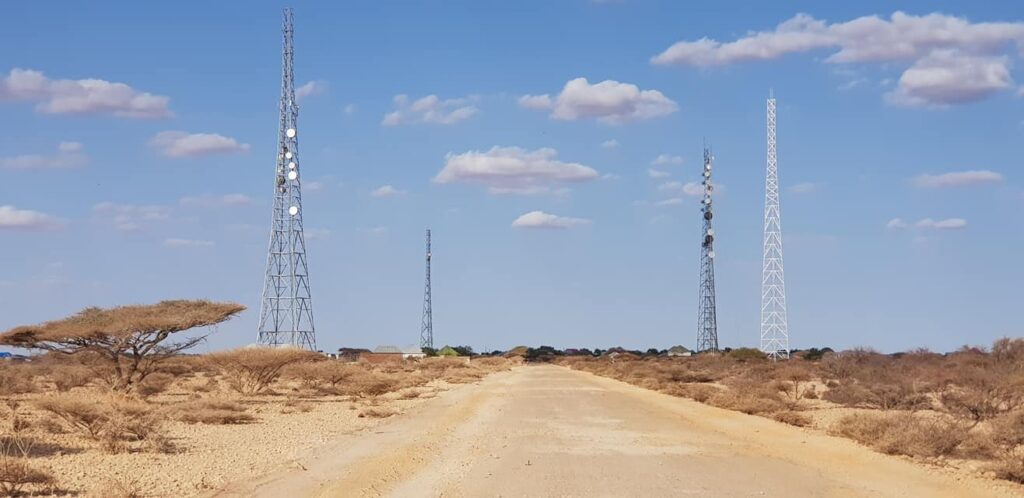
الصورة: بلدة عيل طير في إقليم جلجدود وسط الصومال — Ayanl3، ويكيميديا كومنز (CC BY-SA 4.0) — صفحة الصورة
نُشرت هذه المقالة في موقع «نقوش» القديم (nuqush.com) بتاريخ 5 مايو 2008.
أعلن البنتاغون بنشوة مقتل الزعيم الشاب آدم حاشي عيرو زعيم حركة شباب المجاهدين المقاومة للاحتلال الإثيوبي يوم الأول من مايو/أيار ٢٠٠٨ بعد أن قامت مقاتلاتها بضربة جوية ألقت ثلاث قنابل كبيرة على منزل صغير في قرية ريفية بجنوب الصومال تعرف باسم طوس مريب في محافظة جلجدود على بعد ٥٠٠ كم شمال العاصمة مقديشو
وكان يأوي إلى تلك القرية في ذلك الوقت مجموعة من الشباب من بينهم الزعيم المستهدف وأحد العلماء المنظرين للحركة، وذلك قرابة الثانية صباح يوم الأربعاء ٣٠ أبريل/نيسان ٢٠٠٨.
وتعودت المقاتلات الأميركية قصف المدنيين في الصومال بحجة استهداف الإرهابيين منذ دخول القوات الإثيوبية للصومال في ديسمبر/كانون الأول ٢٠٠٦ لدعم ما يسمى بالحكومة الانتقالية التي اتخذتها إثيوبيا حجة وغطاء لاحتلالها المباشر للصومال، وإخراج قوات المحاكم الإسلامية من مقديشو بعدما دحرت زعماء الحرب المدعومين أميركيا وسيطرت على المناطق الجنوبية لتعيد إليها الأمن والأمان الذي افتقده الشعب خلال ١٦ عاما من الحرب الأهلية والفوضى.
وتعتبر هذه المرة الرابعة المعلنة رسميا على الأقل التي تقوم بها الولايات المتحدة بقصف مناطق ريفية، ولكنها المرة الوحيدة التي تتمكن فيها من إصابة هدفها، وتقتل من يعتقد أنه زعيم حركة شباب المجاهدين إضافة إلى مقتل ما يصل إلى ثلاثين من المدنيين حسب شهود عيان تحدثوا لوسائل الإعلام.
فعادة تكون حصيلة الغارات الجوية الأميركية في الصومال من المدنيين والرعاة وماشيتهم.
قتل عيرو.. انتصار أم فشل؟
ستجد أميركا أن الجهود التي تبذلها مع حلفائها في المنطقة -ولاسيما الإثيوبيين وما يسمى بالحكومة الانتقالية- تؤتي ثمارها، ولذلك اعتبر المتحدث باسم البنتاغون في تصريحه أن مقتل عيرو انتصار على الإرهاب، وإن كانت الكلمة أصبحت غير ذات دلالة لغوية بسبب استخدامها أميركيا حين صارت ثوبا يُلبسه الأميركيون كل من يعارض سياساتهم.
ولكن المهم الذي يعني المحللين والمتابعين لقضايا المنطقة وللصراع الملتهب في الصومال هو تداعيات هذا الحادث، وأثر مقتل زعيم الشباب على مستقبل حركته أولا ثم على قطار المحادثات البطيء الذي كان من المتوقع أن يبدأ بوساطة أممية بين الحكومة الانتقالية والتحالف من أجل إعادة تحرير الصومال الذي شكل في سبتمبر/أيلول العام الماضي، والذي يقوده التيار الرئيسي للمقاومة ضد الاحتلال الإثيوبي.
حركة شباب المجاهدين برزت للعلن وأصبحت حديث وسائل الإعلام بعد الاحتلال الإثيوبي للصومال، ورغم ما يؤخذ عليها من خطاب متشدد صار يتوازى مع خطاب القاعدة، فإنها لم تعلن أنها جزء من القاعدة، ولا تبناها زعماء القاعدة المعروفون ولا أعطوها تلك الصفة.
وكل ما يملكه متهموها مما يمكن الاعتداد به هو أن بعض زعمائها من الشباب شاركوا في الحرب الأفغانية أو تدربوا في أفغانستان، وليس هناك دليل أنهم التقوا مع بن لادن أو غيره من زعماء القاعدة.
لكن المراكز الغربية ووسائل إعلامها اعتبرتها جناح القاعدة في القرن الأفريقي، ووضعتها الولايات المتحدة تحت لائحة المنظمات الإرهابية. لكنها لم تتجاوز في استهدافها رقعة الصومال والاحتلال الإثيوبي والمتعاونين معه، ولم تهاجم أهدافا أميركية في السابق ولم تعلن عن سعيها لذلك.
ونحن هنا لا ندافع عن رؤية الحركة المتشددة والمتطرفة التي ينتقدها بسببها الكثير من المنصفين حتى داخل الحركة الإسلامية في الصومال، ولاسيما الخطاب غير الواقعي وغير المتوازن وكذلك توسعها في قتل المدنيين وغير المقاتلين، واعتبارها كل من يتعامل مع الحكومة العميلة عميلا، ما يشير إلى عدم فهمها لفقه الواقع وفقه الأولويات ورفضها للحوار كمبدأ.
ولكننا هنا في مشكلة مع الفهم والمنظور الغربي الأميركي وهو افتراضهم عادة أن القتل والموت يجدي مع المتطرفين والمتشددين ويمنعهم من الاستمرار في المقاومة، في حين يرى المتطرفون أنهم يجاهدون وبالتالي فالموت في سبيل الله أسمى الأماني، وبتحقق الموت يتحقق النجاح والهدف الأسمى في نيل الشهادة التي يسأل كل مسلم أن يمنحه الله إياها ليل نهار.
الأيدولوجية الاستشهادية هي الدافع لمقاتلي حركة الشباب في الصومال ولكثير من الاستشهاديين في المناطق الأخرى من العالم، ويعتقد هؤلاء أن دم الشهيد هو الذي يغذي ويلهم الأجيال المقبلة من المقاتلين. ولكنهم لا يعتقدون أن الله كما أمرنا أن نموت من أجل الإسلام أمرنا أيضا أن نحيا من أجل الإسلام.
وهنا تكمن المعضلة التي تولد الفعل ورد الفعل والعنف بين إرهاب دولة ظالم يحاول عبر الإرهاب والقتل نشر أيدولوجيتها الليبرالية وفرض الديمقراطية، وبين هؤلاء الذين لا يقتصرون على مقاومتها -وهو فعل شرعي- بل يتجاوزون ذلك إلى السعي لفرض فهمهم للإسلام ويجيزون لأنفسهم قتل الناس بالشبهة وعدم الاعتداد بمقتل المدنيين عندما يختلطون بالعدو.
وكلا الطرفين يفرض رؤيته وأيدولوجيته بممارسة العنف والقوة الباطشة فيقترفون فظائع وأعمالا وحشية تأبى الفطرة قبولها.
وتكون العقلانية وصوت المنطق والحكمة هما الضحية، ولأنهم يمارسون البطش والقوة والقهر -بغض النظر عن مقدار ومستوى قوة وبطش كل طرف منهما- يكون صوتهم هو الأعلى والمسموع، بينما تكون أصوات الضعفاء الذين يريدون أن يجادلوا بالحكمة ضعيفة وتنتهك بين سنابك خيلهم ورجلهم.
وبهذا المعنى لن تكون وفاة زعيم حركة شباب المجاهدين «عيرو» أكثر من علامة على استمرار المواجهة والحرب غير المنطقية وغير العقلانية ولا يمكن أن تعتبر انتصارا ولا هزيمة لأي من الجانبين.
قتل عيرو.. رصيد إضافي للحركة
إلا أنه بمنطق القوة والضعف والاستكبار والاستضعاف يعتبر استهداف حركة صغيرة ومجموعة من الشباب في قرية نائية بكل هذه القوة والبطش من قوة عظمى تتحكم في العالم -وإن حققت هدفها- عجزا ضمنيا، بل وتعطي المجموعة زخما يحرضها على الاستمرار في نهجها.
ويساعد ذلك أيضا على إضفاء شرعية على وجود تلك الحركة لاستمرار قضيتها التي تلهم وتجند المزيد من الشباب للانضمام إليها من أجل الفوز بإحدى الحسنيين إما الانتصار والإثخان في العدو وهزيمته أو نيل الشهادة.
ولا شك في أن وفاة زعيم الحركة ستجعل الناس يعتقدون أن حركة شباب المجاهدين هي المقاومة الحقيقية ضد العدو الإثيوبي الذي يستهدف الهوية القومية والدينية للشعب الصومالي كما يرى الكثير من الصوماليين، وأنها لهذا السبب أصبحت مستهدفة من قبل الولايات المتحدة، ومن ثم تستطيع ادعاء كونها على الطريق الصحيح عكس من يريد إبرام صفقة اتفاق مع الحكومة التي تمثل العدو.
ومن المحتمل أن تستثمر الحركة هذا الأمر لتضفي على نفسها شرعية قيادة المقاومة، بل وتستخدمها ذريعة لاتهام قيادة التحالف في أسمرة بوضع أيديهم مع قتلة زعيم الحركة -التي عارضت أي حوار مع ما يسمى بالحكومة الانتقالية- الذي قضى نحبه وقدم حياته قربانا لما يؤمن به، بينما القيادة الأخرى تنفق وقتها في التنقل بين العواصم أو في فنادق أسمرة، كما يصفها أنصار حركة شباب المجاهدين التي رفضت الانضواء تحت قيادة التحالف وأعلنت رفضها لأي محادثات مع الحكومة الانتقالية.
صحيح أنه من المحتمل أن تسعى حركة شباب المجاهدين إلى إفساد أي اتفاق يعقده التحالف مع الحكومة، وأنها قد تكون عقبة أمام تحقيق أو تنفيذ أي اتفاق بين ما يسمى بالحكومة الانتقالية والتحالف من أجل إعادة تحرير الصومال.
غير أن معظم الصوماليين يعتقدون جازمين أن السلطة والنفوذ الذي تتمتع به حركة الشباب مبالغ فيه كثيرا وتضخم من قبل وسائل الإعلام الغربية من جانب، والإثيوبيين والحكومة الانتقالية من جانب آخر لتبرير وحشية ما ترتكبه من فظائع بدعوى أنها تحارب القاعدة والحركة التي تمثلها في الصومال، وتستخدم ذلك غطاء للأعمال الإجرامية التي تقوم بها ضد المدنيين، ما دامت مطاردة الإرهابيين أصبحت أمرا مقبولا دوليا.
ويعتقد المراقبون الصوماليون القريبون من المقاومة أن حركة الشباب أعطيت أهمية أكبر من حجمها الحقيقي، وأنه بالرغم من عدد أفرادها القليل جدا وعدم شعبية رؤيتها فإن صوتها أعلى، كما أنها تدعي القيام بأعمال كبيرة.
ويبدو أن التركيز عليها في وسائل الإعلام والحكومة الانتقالية والاحتلال الإثيوبي المدعومة من الولايات المتحدة، يتيح لها الفرصة لتوظيف المزيد من الشباب.
الحقيقة أن حركة شباب المجاهدين تكتسب شرعيتها وتستمدها من وجود الاحتلال والجرائم التي يقترفها، ومن انتهاك حقوق الإنسان المستمر على يد قواته، على غرار ما حدث في الأسبوع الماضي في مقديشو عندما ذبحت القوات الإثيوبية ثلاثين من علماء الدين المنتمين لجماعة مسالمة لا تشغل نفسها بالسياسة وهي جماعة التبليغ في مسجد الهداية في حي وحرعدي بالعاصمة مقديشو، وعندما قاموا بقتل وخطف أطفال المدارس.
وشباب المجاهدين أيضا يستمدون شرعيتهم -بطبيعة الحال- من الغارات الجوية الأميركية التي تقتل المدنيين بوحشية غير مسبوقة.
مقتل عيرو يعرقل الحوار
أما عن تأثير هذا الحادث على الحوار المرتقب فإنه من المؤكد أن هذه العملية ستعرقل قيادة التحالف عن المضي قدما فيما شرعت فيه، ولاسيما أن هناك حتى من بين عناصر التحالف من يؤمن بعدم جدوى هذا الحوار في ظل استمرار مثل هذا الاستهداف للمدنيين والقصف الأميركي للأراضي الصومالية ولقيادات مهما تكن مواقفها فإنها تحارب العدو الإثيوبي.
ولن تكون القيادة هناك سعيدة بأن تصور على أنها من المنتفعين من وفاة الزعيم الشاب عيرو. ومن المرجح أن ترفض المشاركة في الحوار المقترح بينها وبين الحكومة أو على الأقل تأجيله إلى أجل غير مسمى، ووضع بعض الشروط التي تضمن عدم تكرار مثل تلك الأحداث.
كثير من الصوماليين ومنهم شيوخ العشائر كانوا يحاولون إشراك شباب المجاهدين في العملية التفاوضية، وقد أعلن رئيس الوزراء نور عدي عن استعداده لذلك حتى لا تفسد ما يتم التوصل إليه من اتفاق بين الحكومة الانتقالية والتحالف.
وكانت التوقعات متفائلة قبل مقتل «عيرو»، ولكن سيكون الآن من الصعب إقناعها بتقبل مثل هذا الأمر لأنها ستكون مطالبة بالثأر لزعيمها.
وخلاصة القول إن مقتل «عيرو» سيؤدي إلى تصعيد الوضع وتعقيد الأزمة الصومالية أكثر، وقد تفلت الأمور من التحكم ويكون من الصعب التعامل معها.
وما ينبغي أن تفهمه الولايات المتحدة هو أن احتواء هؤلاء الشباب المتشددين أو المتطرفين أو الإرهابيين -حسب ما يحلو لها تسميتهم به- لا يمكن أن يكون إلا عن طريق إشراكهم في الحياة وليس الإقصاء والتشديد.
ولا يستطيع معالجة وضعهم سوى الصوماليين أنفسهم، وإذا كانت المشكلة الأساسية -وهي الاحتلال الإثيوبي غير المشروع- لم يتم التخلص منها فإن مسألة حركة الشباب لا يمكن احتواؤها.
ودون ذلك فإن الحركة ستكسب المزيد من الشرعية وتصبح أكثر راديكالية وتطرفا مع الوقت ما دام السبب الأساسي في نشوئها لم يعالج بشكل سليم.
The Killing of “Ayro” and Its Repercussions for the Somali Conflict
Image: The town of El Dher in the Galgaduud region, central Somalia. Ayanl3, Wikimedia Commons (CC BY-SA 4.0). Image page
This article was published on the old Nuqush website (nuqush.com) on 5 May 2008.
On 1 May 2008 the Pentagon jubilantly announced the killing of the young leader Aden Hashi Ayro1, head of Harakat al-Shabaab al-Mujahideen2, the movement resisting the Ethiopian occupation. US warplanes had carried out an air strike, dropping three large bombs on a small house in a rural village in southern Somalia known as Dhusamareb, in the Galgaduud region, 500 kilometres north of the capital, Mogadishu.
At the time, a group of young men was sheltering in the village, among them the targeted leader and one of the movement's scholar-ideologues. It was about two o'clock in the morning on Wednesday 30 April 2008.
American warplanes have made a habit of bombing civilians in Somalia, on the pretext of targeting terrorists, ever since Ethiopian forces entered Somalia in December 20063. They came to support the so-called Transitional Government, which Ethiopia used as a pretext and a cover for its direct occupation of Somalia, and to drive the forces of the Islamic Courts out of Mogadishu, after the Courts had routed the US-backed warlords and taken control of the southern regions, bringing back the security and safety that the people had lost in sixteen years of civil war and chaos.
This is at least the fourth officially acknowledged time that the United States has bombed rural areas4, but it is the only time it has managed to hit its target, killing the man believed to be the leader of al-Shabaab al-Mujahideen, along with as many as thirty civilians, according to eyewitnesses who spoke to the media.
As a rule, the toll of American air raids in Somalia is civilians, herdsmen and their livestock.
The Killing of Ayro: Victory or Failure?
America will find that the efforts it is making with its allies in the region, especially the Ethiopians and the so-called Transitional Government, are bearing fruit. That is why the Pentagon spokesman, in his statement, called Ayro's killing a victory over terrorism, though the word has lost its linguistic meaning through American usage, having become a garment in which the Americans dress anyone who opposes their policies.
What matters to analysts and to those who follow the region's affairs and the raging conflict in Somalia, however, is the repercussions of this incident: the effect of the al-Shabaab leader's killing, first on the future of his movement, and then on the slow train of talks that was expected to set off, under UN mediation, between the Transitional Government and the Alliance for the Re-liberation of Somalia5. The Alliance was formed in September last year and is led by the mainstream of the resistance to the Ethiopian occupation.
Harakat al-Shabaab al-Mujahideen came into the open and became the talk of the media after the Ethiopian occupation of Somalia. Although it is faulted for a hard-line discourse that has come to run parallel to al-Qaeda's, it has not declared itself part of al-Qaeda, nor have al-Qaeda's well-known leaders adopted it or given it that status.
All that its accusers have that could count as evidence is that some of its young leaders fought in the Afghan war or trained in Afghanistan, and there is no evidence that they met bin Laden or any other al-Qaeda leader.
Yet Western think tanks and media regarded it as al-Qaeda's wing in the Horn of Africa, and the United States put it on its list of terrorist organisations2. But its targets have not gone beyond Somali soil, the Ethiopian occupation and those who collaborate with it; it has never attacked American targets, nor declared any intention to do so.
We are not defending here the movement's hard-line and extremist vision, for which many fair-minded people criticise it, even within the Islamic movement in Somalia: above all its unrealistic and unbalanced discourse, the wide licence it gives itself to kill civilians and non-combatants, and its branding as a collaborator anyone who deals with the collaborationist government. All this points to its failure to grasp the jurisprudence of reality and the jurisprudence of priorities6, and to its rejection of dialogue in principle.
Our problem here, though, is with the Western, American understanding and outlook, which usually assumes that killing and death work against extremists and hard-liners and stop them from carrying on their resistance. The extremists, by contrast, see themselves as waging jihad, so that death in the path of God is the highest of their hopes. With death comes success, and the supreme goal: martyrdom, which every Muslim asks God, night and day, to grant him.
The ideology of martyrdom is what drives al-Shabaab's fighters in Somalia and many of those who seek martyrdom in other parts of the world. They believe that the blood of the martyr is what nourishes and inspires the coming generations of fighters. But they do not believe that God, just as He has commanded us to die for Islam, has also commanded us to live for Islam.
Here lies the dilemma that breeds action, reaction and violence: on one side, an unjust state terrorism that tries to spread its liberal ideology and impose democracy through terror and killing; on the other, those who do not stop at resisting it, which is a legitimate act, but go further, seeking to impose their own understanding of Islam, allowing themselves to kill people on mere suspicion and paying no heed to the killing of civilians when they mingle with the enemy.
Both sides impose their vision and ideology through violence and brute force, and so they commit atrocities and savage acts that human nature itself refuses to accept.
Reason and the voice of logic and wisdom are the victims. Because they wield violence, force and oppression, whatever the scale and degree of each side's force and violence, their voice is the loudest and the one that is heard, while the voices of the weak, who want to argue with wisdom, are faint and are trampled under the hooves of their horsemen and the feet of their foot soldiers7.
In this sense, the death of al-Shabaab al-Mujahideen's leader, “Ayro”, will be no more than a sign that the confrontation goes on, a senseless and irrational war; it cannot be counted a victory or a defeat for either side.
The Killing of Ayro: An Added Asset for the Movement
Yet by the logic of strength and weakness, of the arrogant and the downtrodden8, for a superpower that controls the world to strike a small movement and a group of young men in a remote village with all this force and violence is, even if it achieved its aim, an implicit sign of impotence. Indeed, it gives the group a momentum that spurs it to carry on along its path.
It also helps to lend legitimacy to the movement's existence by keeping its cause alive, a cause that inspires and recruits more young men to join it, to win one of the two best outcomes9: victory, with heavy slaughter of the enemy and his defeat, or martyrdom.
There is no doubt that the death of the movement's leader will make people believe that al-Shabaab al-Mujahideen is the true resistance against the Ethiopian enemy, which, as many Somalis see it, is targeting the national and religious identity of the Somali people, and that this is why the United States has made it a target. The movement can then claim that it is on the right path, unlike those who want to strike a deal with the government that represents the enemy.
The movement is likely to exploit this to claim the legitimacy of leading the resistance, and even to use it as a pretext to accuse the Alliance leadership in Asmara of joining hands with the killers of the movement's leader. The movement had opposed any dialogue with the so-called Transitional Government, and its leader has fulfilled his vow10 and offered up his life for what he believed in, while the other leadership spends its time travelling between capitals or in the hotels of Asmara, as supporters of al-Shabaab al-Mujahideen describe it. The movement refused to come under the Alliance's leadership and has declared its rejection of any talks with the Transitional Government.
It is true that al-Shabaab al-Mujahideen is likely to try to wreck any agreement the Alliance makes with the government, and that it may stand in the way of reaching or implementing any agreement between the so-called Transitional Government and the Alliance for the Re-liberation of Somalia.
Most Somalis, however, firmly believe that the power and influence of al-Shabaab are greatly exaggerated, inflated by the Western media on the one hand and by the Ethiopians and the Transitional Government on the other, to justify the brutality of the atrocities they commit on the claim that they are fighting al-Qaeda and the movement that represents it in Somalia. They use this as cover for their criminal acts against civilians, since hunting terrorists has become internationally acceptable.
Somali observers close to the resistance believe that al-Shabaab has been given more importance than its real size warrants: although its members are very few and its vision unpopular, its voice is louder, and it claims to carry out major operations.
The attention paid to it by the media, by the Transitional Government and by the Ethiopian occupation, both backed by the United States, seems to give it the chance to recruit more young men.
The truth is that al-Shabaab al-Mujahideen gains and draws its legitimacy from the presence of the occupation and the crimes it commits, and from the continual violation of human rights by its forces, as happened last week in Mogadishu, when Ethiopian troops slaughtered thirty religious scholars belonging to a peaceful group that does not concern itself with politics, the Tablighi Jamaat, in the al-Hidaya Mosque in the Wardhigley district of the capital11, and when they killed and abducted schoolchildren.
Al-Shabaab al-Mujahideen also draws its legitimacy, naturally, from the American air raids that kill civilians with unprecedented brutality.
Ayro's Killing Hinders Dialogue
As for the effect of this incident on the expected dialogue, this operation will certainly hold back the Alliance leadership from going ahead with what it has begun, especially since even within the Alliance there are those who believe this dialogue is futile while civilians are still targeted like this and America keeps bombing Somali soil, and bombing leaders who, whatever their positions, are fighting the Ethiopian enemy.
Nor will the leadership there be happy to be portrayed as a beneficiary of the young leader Ayro's death. It is likely to refuse to take part in the proposed dialogue between it and the government, or at least to postpone it indefinitely and to set conditions ensuring that such incidents are not repeated.
Many Somalis, clan elders among them, had been trying to bring al-Shabaab al-Mujahideen into the negotiating process, and Prime Minister Nur Adde12 had declared himself ready for this, so that the movement would not wreck whatever agreement the Transitional Government and the Alliance might reach.
Expectations were optimistic before Ayro's killing, but it will now be hard to persuade the movement to accept such a step, because it will be expected to avenge its leader.
In short, Ayro's killing will escalate the situation and complicate the Somali crisis further; matters may slip out of control and become hard to handle.
What the United States ought to understand is that these young men, hard-liners, extremists or terrorists, whatever it pleases to call them, can be contained only by drawing them into life, not by exclusion and harshness.
Only Somalis themselves can deal with their situation. And unless the root problem, the illegitimate Ethiopian occupation, is removed, the al-Shabaab question cannot be contained.
Otherwise the movement will gain more legitimacy and grow more radical and extreme over time, so long as the root cause of its emergence has not been properly dealt with.
Notes
- Aden Hashi Farah, known as Ayro, a commander in his thirties, led the militant youth wing of the Islamic Courts' militias and then al-Shabaab's fighters. He is reported to have trained in Afghanistan before 2001, and Washington accused him of links with al-Qaeda. ↩
- Ḥarakat al-Shabāb al-Mujāhidīn, 'the Movement of the Mujahideen Youth', usually called al-Shabaab ('the Youth'), grew out of the militant youth wing of the Islamic Courts and led much of the armed insurgency after the Courts were driven from Mogadishu. The United States designated it a terrorist organisation in February 2008. Shabāb also simply means 'young men', so the author's references to the youth of its fighters echo the movement's name. ↩
- Ethiopian forces, with American support, entered Somalia in late December 2006 to back the Transitional Federal Government (TFG), formed in Kenya in 2004, against the Islamic Courts Union, which had taken Mogadishu from the warlords in June 2006. The Courts were driven from the capital within days. The 'sixteen years' are counted from the fall of Mohamed Siad Barre's regime in January 1991. ↩
- Earlier acknowledged US strikes included a gunship attack near Ras Kamboni in the far south in January 2007, a naval bombardment of Bargal in Puntland in June 2007 and a missile strike on Dhobley, near the Kenyan border, in March 2008. ↩
- The Alliance for the Re-liberation of Somalia was founded in Asmara, Eritrea, in September 2007 by leaders of the ousted Islamic Courts, among them Sharif Sheikh Ahmed and Hassan Dahir Aweys, together with exiled members of parliament and others. Talks between the Alliance, under Sharif, and the TFG, mediated by the UN envoy Ahmedou Ould-Abdallah, opened in Djibouti later in May 2008. ↩
- Fiqh al-wāqiʿ, 'the jurisprudence of reality', and fiqh al-awlawiyyāt, 'the jurisprudence of priorities', are concepts of modern Islamic thought, popularised above all by Yusuf al-Qaradawi. The first requires rulings to rest on a sound grasp of actual circumstances; the second requires weighing benefits and harms so that the more important comes before the less. ↩
- The image echoes the Qur'an (17:64), where God tells Satan to rally against mankind 'your horsemen and your foot soldiers' (bi-khaylika wa-rajlika). The author adds sanābik, the hooves of horses, so that reasoned voices are trampled under the cavalry and infantry of both camps. ↩
- Al-istikbār wa-l-istiḍʿāf: the Qur'an speaks of al-mustakbirūn, those who arrogantly wield power, and al-mustaḍʿafūn, those who are kept weak and oppressed. The pair is widely used in modern Islamic political language for the powerful and the powerless. ↩
- Iḥdā al-ḥusnayayn, 'one of the two best things', is from the Qur'an (9:52), where believers going out to fight await either victory or martyrdom, both of them good. The word for heavy slaughter of the enemy, ithkhān, also has a Qur'anic ring (8:67). ↩
- Qaḍā naḥbahu, 'he has fulfilled his vow', echoes the Qur'an (33:23), which praises believers who were true to their covenant with God: 'among them are some who have fulfilled their vow', that is, who have fallen in God's cause. The phrase is a reverent way of saying that someone has died a martyr; here it voices the case the movement's supporters would make. ↩
- On 19–20 April 2008 Ethiopian troops raided the al-Hidaya Mosque in the Wardhigley district of Mogadishu. Human rights groups reported some twenty people killed, several of them inside the mosque, among them members of the Tablighi Jamaat, a non-political Islamic missionary movement of South Asian origin. ↩
- Nur Hassan Hussein, known as Nur Adde became prime minister of the TFG in November 2007 and favoured dialogue with the opposition. ↩
English translation prepared by artificial intelligence and reviewed against the Arabic for accuracy of meaning and rhetoric.