نُشرت هذه الورقة التحليلية أولًا في موقع مركز الجزيرة للدراسات (الجزيرة نت) بتاريخ 29 فبراير 2012. رابط النص الأصلي
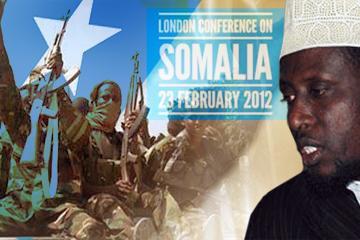
بعد عمل وجهد دبلوماسي عالمي استغرق ما يقارب الخمسة أشهر عقد “مؤتمر لندن حول الصومال” في 23 من فبراير/ شباط 2012 والذي لم يستغرق نصف يوم بحساب الساعات، وكان معظمه إلقاء الخطب الرنانة المعهودة في مثل هكذا المؤتمرات، ثم تلا ذلك صدور بيان ختامي(1) تمت إعادة صياغته ليبدو أقل تركيزا على الأمن والقرصنة ومواجهة الإرهاب، وأقصر من المسودة التي تسربت قبل ثمانية أيام من انعقاد المؤتمر(2) وكان هذا البيان الختامي شبه مطابق للنسخة التي تم تسريبها يوما قبل المؤتمر(3).
وما زال الصوماليون مختلفين حول نتائج المؤتمر وما ستتركه على قضيتهم وبلدهم. إلا أن هناك شعورا عاما بأن هذا المؤتمر سيكون له تأثير على أرض الواقع، ولكن لا يمكن لأحد التنبؤ بهذا التأثير، هل سيكون إيجابيا أو سلبيا؟
يمكن للمرء أن يكون متفائلا عندما استمع للخطب الدبلوماسية التي سمعها من المشاركين في المؤتمر، كما أن البيان الختامي فيه الكثير مما يمكن أن يكون إيجابيا بالرغم من احتوائه على سلبيات، ولكن معرفة خفايا المصالح المتعارضة للمشاركين والتي اجتهدت الدبلوماسية البريطانية أن تظهرها موحدة ومتجانسة، والتجارب التي مرت بها القضية الصومالية، وقصر نفَس المجتمع الدولي في الالتزام بالاستمرار تنسيق تناقضاته حول القضايا المعقدة ذات الطبيعة الديناميكية والطويلة الأجل، يجعل المرء لا يتفاءل كثيرا بل ويدرك أن من الصعب أن نرى تنفيذا لما قيل في خطابات المؤتمر.
في هذا التقرير ننظر في نتائج المؤتمر على ضوء قراءة البيان الصادر والإيجابيات الموجودة فيه والثغرات التي يمكن أن تشكل سببا لإفشال تطبيقها.
مؤتمر يختلف عما سبقه من مؤتمرات
يجب التنبيه إلى أنه لا يمكن إدراج هذا المؤتمر ضمن مؤتمرات المصالحة الصومالية التي عقدت للصومال في الماضي، فهو يختلف عنها جميعا من حيث الطبيعة والمقاربة، وهذه مما يعطي المراقبين بعض الأمل في تغير النتائج المرتقبة على الأرض، ويحسبها البعض من إيجابيات المؤتمر.
فلم يسبق لهذا المؤتمر مثيل من حيث الجهد الذي وضعت فيه حكومة المملكة المتحدة التي لم يسبق لها أن اهتمت بالصومال بهذا القدر، فلا ننسى أنها حتى في عملية “إعادة الأمل” بين 1992 – 1995 اكتفت بريطانيا بتقديم الدعم اللوجستي لعملية الأمم المتحدة فقط. وبالإضافة إلى النشاط الدبلوماسي مع الدول فإن الحكومة اهتمت بالتواصل مع الجالية الصومالية في بريطانيا بشكل خاص وعقدت معها العديد من المناقشات على مستويات مختلفة.
ومن بين ما يختلف هذا المؤتمر عما سبقه من مؤتمرات حول القضية الصومالية ما يلي:
بينما كانت المؤتمرات السابقة تعقد للصوماليين وتدعى إليها الفصائل الصومالية التي يقودها أمراء الحرب لحل التناقضات الموجودة بين أطراف الصراع في الصومال، عقد هذا المؤتمر للدول ذات المصلحة في الصومال أو ذات العلاقة بالقضية الصومالية (القدامى والجدد) واستهدف التنسيق فيما بينها وتوحيد جهودها السياسية والعسكرية والإغاثية حتى تتكامل ولا تتناقض.
التركيز على الإجراءات العملية للتقدم وتثبيت هذا التقدم فيما يتحقق في المجال السياسي والأمني بناء على ما تحقق على الأرض بدلا من المصالحات العقيمة التي كانت تستغرق الوقت والجهد.
مستوى الاهتمام والمشاركة الدولية، حيث شارك في المؤتمر ما يقرب من خمسين دولة ومنظمة مهتمة بالصومال أو متورطة فيه.
التركيز على تحقيق الأمن والقضاء على القرصنة ووضع مسارات للعملية السياسية المستقبلية وترك التفاصيل للمستقبل.
يقول البيان “ركز المؤتمر على الأسباب الكامنة وراء عدم الاستقرار والأعراض الناجمة عنه (كالمجاعة واللاجئين والقرصنة والإرهاب). وقد اتفقنا نحن المجتمع الدولي على: ضخ قوة دفع جديدة في العملية السياسية، وتعزيز بعثة الاتحاد الأفريقي في الصومال (أميسوم) ومساعدة الصومال على تطوير قواته الأمنية، والمساعدة في بناء الاستقرار على المستوى المحلي، وتصعيد التحرك لمواجهة القراصنة والإرهاب” (البند الرابع من البيان الختامي). وهذه الفقرة تمثل الخلاصة التي توصل إليها المؤتمر وما عداها فهو شرح وتفصيل لها.
سيطرة المقاربة الأمنية والعسكرية على المؤتمر
ما يعيب المؤتمر أنه اعتمد المقاربة الأمنية والعسكرية وجعلها المدخل لحل الأزمة الصومالية السياسية وغيرها، بينما يعرف الجميع أن المشكلة الأمنية والعسكرية والقرصنة واللاجئين والمجاعة التي ركز عليها المؤتمر إنما هي أعراض للأزمة السياسية التي تولد قوى وتحديات كلما استمرت ولم تجد لها حلا جذريا.
الأمن والعدالة
تم الربط بين الأمن والعدالة في البيان بشكل غريب ولكن بينما تم الحديث بإسهاب عن الأمن تمت الإشارة إلى أن الصوماليين أنفسهم يجب أن يقرروا ماهية ترتيبات الأمن والعدالة التي يحتاجون إليها مستقبلا، فلم تذكر آلية لتحقيق العدالة في صراع تراكمت فيه المظالم بين الفئات المختلفة للمجتمع.
في هذا المجال تمت الإشادة بقوات “أميسوم” والامتنان لتضحياتها (دون الإشارة إلى القوات الحكومية الصومالية، ودون الإشارة أيضا إلى ما اقترفته هذه القوات من قصف عشوائي للمدنيين خلال مواجهاتها مع المتمردين وهو ما أقرت به منظمات حقوق الإنسان الدولية)، والتي صدر قرار من مجلس الأمن الدولي (رقم 2036) عشية المؤتمر بتوسيع صلاحياتها ورفع عددها إلى سبعة عشر ألفا، مع دمج القوات الكينية التي دخلت الصومال غازية منذ أكتوبر/ تشرين الأول 2011. وقد طرح مشروع القرار أيضا تمويل بعثة الاتحاد الأفريقي على أساس مستديم، مع تحمل الأمم المتحدة لنصيب أكبر في عملية التمويل.
الإرهاب
بالنسبة للحديث عن مواجهة ما يسمى بالإرهاب فلا يوجد غير بند وحيد أما بقية وما يخص هذه المواجهة قد أدرج في الجانب الأمني والعسكري، وهذه طريقة دبلوماسية لعدم إبراز أن المؤتمر لمواجهة هذه الظاهرة. وفي هذا البند ورد كلام إنشائي لا يتجاوز ما هو معلوم وحاصل قبل المؤتمر حيث جاء التأكيد على أن “الإرهاب يشكل تهديدا خطيرا للأمن في الصومال نفسها والمنطقة وعلى الصعيد الدولي، ومن ثم [اتفق] على العمل معا بمزيد من العزم من أجل بناء القدرات لعرقلة الإرهاب في المنطقة ومعالجة الأسباب الجذرية للإرهاب. واعتراض تنقل الإرهابيين من وإلى الصومال، وضرورة قطع تمويل الإرهاب، والتنسيق في العمل الاستخباري في هذا المجال”.
القرصنة
كان يقال إن القرصنة هي الدافع الرئيسي لتبرير الجهد المبذول من قبل حكومة المملكة المتحدة لعقد هذا المؤتمر نظرا للخسائر الكبيرة في هذا المجال الذي يكلف العالم ما يناهز سبعة مليارات دولار سنويا؛ لذلك فقد حظي هذا الموضوع بنصيب وافر من القرارات. لكن ليس ذلك الاهتمام بالخارج عن إطار ما كان موجودا، خصوصا وأن القرصنة وقد ثبت تشهد انخفاضا في العمليات خلال الشهور الأخيرة. ولكن المهم أنه أشير في صلب البيان إلى “أن المشكلة تتطلب منهاج عمل شامل في البر والبحر على حد سواء”. و”أنه لا يمكن حل مشكلة القرصنة بالوسائل العسكرية وحدها، وأكدنا مجددا على أهمية دعم المجتمعات لمعالجة الأسباب الكامنة وراء أعمال القرصنة، وتحسين فعالية استخدام المياه الساحلية الصومالية من خلال وضع تدابير لبناء القدرات البحرية الإقليمية” والتأكيد على أنه لن يكون هناك إفلات من العقاب على القرصنة”؛ والدعوة “إلى مزيد من تطوير القدرات القضائية لملاحقة واعتقال من هم وراء القرصنة في الصومال وعلى نطاق أوسع في المنطقة”.
وليس هناك جديد في هذا المجال ما عدا محاولة الحد من الاستثمار بأموال القرصنة بـ”تعزيز التنسيق بشأن تدفق الأموال غير المشروعة، وتنسيق جمع المعلومات الاستخباراتية والتحقيقات”. والتأكيد على أهمية دعم المجتمعات لمعالجة الأسباب الكامنة وراء أعمال القرصنة، وتحسين فعالية استخدام المياه الساحلية الصومالية من خلال وضع تدابير لبناء القدرات البحرية الإقليمية. ويمكن اعتبار هذا التوجه جيدا في المعالجة ولكنه ليس جديدا إذ تم اعتماده في مؤتمر جيبوتي حول القرصنة.
القصور في المعالجة الأمنية
وهذا المنهج أو المقاربة في التعامل مع الأعراض، بدلا من معالجة لب المشكلة، فإنه قد يعطي المتشددين أداة لاستغلال الشباب وجلب المزيد من المؤيدين والمقاتلين إلى صفوفهم. فالصوماليون حساسون للغاية من أطماع دول الجوار، ولا سيما كينيا وإثيوبيا. ولكن المؤتمر بدلا من رفض التدخل العسكري الأجنبي -والذي أثبت فشله وجاء بنتائج عكسية- فإنه اعتمد ضم القوة الكينية الغازية إلى بعثة الاتحاد الأفريقي، وبالتالي، إضفاء الشرعية على تدخلها في الجنوب والذي يعرف جميع الصوماليين الأهداف التي تسعى إلى تحقيقها من وراء ذلك. كما لم تتم الإشارة إلى التدخل الإثيوبي الأخير بل أشيد بها ضمنيا فيما سمي بـ”تحرير الأراضي من سيطرة حركة الشباب”، والتي برزت وتقوت جراء الاحتلال الإثيوبي للصومال عام 2006 ذلك الاحتلال الذي كان هدفه الرئيس دحر المحاكم الشرعية حينها.
ولم يوضح البيان الختامي أي مخرج استراتيجي واضح لبعثة الاتحاد الأفريقي “أميسوم” في المستقبل المنظور، كما لا يوجد مشروع لتحويلها إلى قوة مختلطة من دول إسلامية وغير إسلامية وتحت قيادة إسلامية لإضفاء الشرعية عليها في نظر المواطن الصومالي العادي وتفنيد حجة “الشباب” من أنها استمرار للاحتلال الإثيوبي وأنها قوة صليبية محتلة.
ويكاد المهتمون بالشأن الصومالي يجمعون على أن حركة الشباب الآن في مرحلة تراجع وتقهقر ولم تعد تمثل نموذجا جاذبا للصوماليين، ولا سيما في تطبيقهم لتفسيراتهم المتشددة للإسلام وتبنيهم منهج تنظيم القاعدة، ولكن من السهل جدا بالنسبة لهم تجنيد المزيد والمزيد ممن لديهم تطلعات قومية مشروعة إذا تصور لهم أن البلد واقع تحت احتلال قوات غازية من قبل الكينيين والإثيوبيين والأوغنديين، نعم، تبدو “حركة الشباب” منهزمة الآن، لكنها أو مثيلاتها قد تنتفض مرة أخرى من ركام الرماد إذا لم تتم معالجة القضايا التي أنشأتها وغذتها ومكنتها من تحقيق السيطرة من قبل بشكل صحيح.
اتضح في المؤتمر أن هناك خلافا في التعاطي مع قضية “حركة الشباب” التي دعا الوزير القطري، د. خالد بن محمد العطية، في خطابه أن تكون حركة الشباب جزءاً من عملية تعزيز الثقة والاندماج بين جميع الأطراف الصومالية. وأكد في خطابه أن “استبعاد أي طرف في هذه المرحلة سوف يعطل تلك الجهود ويجعل من أي حديث عن الأمن والاستقرار أمراً غير واقعي ويتعارض مع الحقائق على أرض الواقع في الصومال.” كذلك كشف أكمل الدين إحسان أوغلو، الأمين العام لمنظمة التعاون الإسلامي، في كلمته عن اتصالات إيجابية أجراها مع المعارضة الصومالية (حركة الشباب المجاهدين) من أجل استكشاف سبل الوصول إلى حل سلمي في البلاد. بينما عارضت كلينتون بشدة أية مشاركة لحركة الشباب. إلا أن الدلائل تشير إلى أن شركاء أمريكا الأوروبيين لن يكونوا صارمين في هذا الجانب حيث أشار وزير الخارجية الإيطالي، جوليو ماريا تيرزي، إلى أن المسلحين ما زالوا يسيطرون على أكثر من ثلث الصومال، مضيفاً أن “قدرتهم على السيطرة على تلك الأراضي لا تكمن فقط في الإجبار”. كما كان خطاب رئيس الوزراء البريطاني في منزلة بين المنزلتين حيث أكد أنهم سيرحبون بكل من يلقي السلاح بالإشارة إلى الاستعداد للتعاون من يمكنه أن ينشق عن حركة الشباب.
كيف عالج المؤتمر الوضع السياسي الصومالي
كما ذكرنا فإن التركيز كان على المسألة الأمنية والقرصنة والحلول المقدمة كانت معظمها تصب في هذا الإطار، أما المسألة السياسية فقد اعتمدت استمرار المعالجة القائمة حاليا مع وضع تحسينات عليها. لذلك فإن البنود التي تناولت المسألة السياسية جاءت ترجمتها العربية تحت عنوان “الدعم السياسي”.
التمثيل السياسي
بالرغم من إعلان الالتزام بانتهاء التفويض للمؤسسات الانتقالية في أغسطس/ آب 2012، إلا أن الإجراءات السياسية لإنشاء الحكومة المستقبلية للصومال لم توضح بعد واعتمد البيان على تبني ما عرف بـ”مبادئ مؤتمر جروي 2″ الذي أشرفت عليه الأمم المتحدة، وهو المؤتمر الذي لم يدع إليه سوى السياسيين الموصوفين إعلاميا بـ”الفاشلين” والذين يقودون الصومال إلى الهاوية الآن وكرس نفس الآلية التي مكنتهم وأمثالهم من التحكم في الصومال، كما أكد على صيغة المحاصصة القبلية المعروفة بصيغة “الأربعة والنصف” والتي تحدد القبيلة معيارا للفوز بالمنصب وليس الكفاءة والأهلية. وهي الصيغة التي أثبتت فشلها حتى هذه اللحظة وفاقمت المشكلة الصومالية بدلا من حلها. بل إن المحاصصة القبلية تشكل “حقل ألغام” بالنسبة لمستقبل الصومال كله.
وقد تحدث عدد من المثقفين الصوماليين حول عقم هذه الآلية وطرحوا بدائل عملية عنها تؤسس لدولة مؤسسات ولكن القائمين على المؤتمر لم يلقوا بالا لتلك المقترحات(4).
الإدارات الإقليمية
لم يتم التطرق إلى الإدارات الإقليمية بشكل خاص ومفصل ما عدا فيما يخص “دعم المجتمع الدولي لأي حوار بين صوماليلاند والحكومة الفيدرالية الانتقالية أو من يحل محلها من أجل توضيح العلاقات المستقبلية فيما بينهما”. وحصل اجتماع بين الرئيس الصومالي شيخ شريف وأحمد محمد سيلانو، رئيس حكومة أرض الصومال وذلك خلال المؤتمر، وهو ما يبشر بفتح صفحة جديدة، بل قد يؤدي إلى محادثات بين الجانبين وبدعم دولي، وهو أمر قد يكون من نتائجه لو حصل بداية استخراج البترول في صوماليلاند.
فيما عدا ذلك فإن الحديث جاء في إطار دعم الاستقرار في “المناطق المحلية التي تنعم بالاستقرار” وربما كان ذلك مؤشرا على تجاوز المؤتمر التهمة التي كانت موجهة إليه أساسا بأنه يسعى إلى تفكيك الصومال وجعله أجزاء منفصلة “كنتونات”. كما وعد المؤتمر بـ”دعم الإدارات المحلية الفعالة والخاضعة للمساءلة”، كما تم التطرق لزيادة الدعم لتشكيل سلطات شرعية وسلمية وتحسين الخدمات للسكان الذين يعيشون في هذه المناطق”. وهو الوضع القائم الذي يدفع إليه المجتمع الدولي بربط الدعم التنموي والاقتصادي للمجتمعات المحلية بوجود إدارة إقليمية للمنطقة، وهو ما يدفع كل الطامحين سياسيا إلى أن يقوموا بإنشاء إدارات محلية أو ما يسمى بـ”حكومات محلية” ولو كانت على الورق، وقد تجاوزت الأسماء المتداولة لهذه الحكومات المحلية العشرات.
مواجهة الفساد والتنمية
لعل الجانب الأهم والذي كان يمكنه أن يثير التفاؤل في هذا المؤتمر هو ما ورد في ثنايا البيان الختامي من اهتمام ودعم للعمل التنموي وإعادة الإعمار والتنمية الاقتصادية، وهو ما اتفق أنه سيكون على المدى الطويل وسيعتمد على قطاع خاص نشط.
ولكن تمت إحالة موضوع التنمية الاقتصادية وإعادة الإعمار إلى مؤتمر اسطنبول المرتقب في يونيو/ حزيران 2012 أي بعد قرابة أربعة أشهر من مؤتمر لندن. أما مواجهة الفساد فجاء عن طريق تبني إنشاء “المجلس المشترك للإدارة المالية” للصومال والذي أعلن عنه في المؤتمر “لتعزيز الشفافية والمساءلة في مجال جمع وكفاءة استخدام الإيرادات العامة ومساعدات التنمية الدولية، والذي سيساعد على تعزيز المؤسسات العامة والإدارة المالية في الصومال.”
وهذا المجلس المذكور هو نتيجة لما دعت إليه في نيروبي في سبتمبر/ أيلول 2011 حكوماتُ مجموعة شرق أفريقيا ومنظمة الإيجاد وجمهورية جنوب السودان، ونتيجة أيضا لما دعت إليه مجموعة الاتصال الدولية حول الصومال في كوبنهاجن في 30 سبتمبر/ أيلول 2011. ويتكون حاليا من الحكومة الصومالية الانتقالية وبريطانيا وفرنسا والاتحاد الأوروبي والبنك الدولي وهو مفتوح لانضمام الآخرين قبل تشكيله رسميا، كما أنه يسعى إلى التحكم وإدارة جميع مصادر التمويل الموجهة للصومال من المانحين الدوليين والمصادر الداخلية للثروة، وذلك كما جاء في البيان الختامي من أجل: “توفير المساءلة والشفافية في أين وكيف تنفق العائدات الصومالية وأموال المانحين”، مما يعني القضاء على تحويلها إلى أغراض أخرى أو حسابات خاصة.
ويبدي بعض الصوماليين تخوفا من هذا المجلس الذي يرون أنه ينقص من سيادة الدولة الصومالية ويفرض وصاية مالية عليها، لا سيما أنه لا يقتصر في إدارة التمويل الخارجي فحسب بل سيكون من اختصاصه -كما ورد في الملحق الخاص به بالبيان الختامي- إدارة “الإيرادات الداخلية” التي “تشمل التدفقات المالية المحلية أو التي ينبغي أن توصف بأنها الموارد العامة، بما في ذلك ما هو الآن أو ما ستكون عليه الأصول الوطنية أو العامة”. وهذا كله بحجة أن الصومال لا يملك مؤسسات مالية مثل البنوك والمصارف الوطنية التي يمكن أن تؤتمن إدارة هذه الأموال!
كما أعلن في المؤتمر عن إنشاء صندوق استقرار جديد سيساهم فيه كل من الدانمرك وهولندا والنرويج والإمارات العربية المتحدة والمملكة المتحدة، لغرض دعم التنمية الاقتصادية في المناطق الآمنة والتي تشهد استقرارا.
ما بعد مؤتمر لندن.. المعلن عنه والمستور
لم يكن متوقعا أن تكون ردود الفعل السلبية على المؤتمر من قلب لندن نفسها وبشكل سريع، وليس مقتصرا على اللوبيات اليسارية المعروفة بمعارضتها لتوجهات الحكومة مثل “تحالف أوقفوا الحرب” بل إن النقد جاء من الإعلام البريطاني الرصين كجريدة الأوبزيرفر الأسبوعية على سبيل المثال، وكذلك من المنظمة البريطانية الخيرية العالمية “أوكسفام”.
الحلول المفروضة
فبعد انتهاء أعمال المؤتمر مباشرة، أصدرت بربارا ستوكنج، المدير التنفيذي لمنظمة أوكسفام الدولية بيانا أعربت فيه عن خيبة أملها من نتائج المؤتمر. وقالت إنه “على الرغم من أننا نقدر الجهود الهائلة لحكومة المملكة المتحدة لإنجاح المؤتمر، إلا أن ما كنا نأمل فيه هو الاعتراف بأن عشرين عاما من الحلول المفروضة دوليا قد باءت بالفشل. ولكن، ما شهدناه مرة أخرى، هي الحلول التي تحرك من الخارج التي لم تنجح، ولا تنجح، ولن تنجح.”
وأضافت: “توقعنا أن يوفر هذا المؤتمر الأمل دعما لملايين من الناس المتضررين من الجفاف والنزاعات، ودعما لعملية بناء السلام التي تشمل شريحة واسعة من المجتمع الصومالي. وما حصلنا عليه كان كلاما إنشائيا حول إشراك الصومال، ولكن لا يمكن المضي قدما في وضع دستور جديد وإجراء انتخابات في مثل هذا البلد المضطرب بدون مشاركة سياسية واسعة وشاملة داخل المجتمع الصومالي.”
ودعت إلى أن تفرق الجهات المانحة في تعهداتها بالملايين بين ما هو موجه إلى السياسة والأمن وما هو للأغراض الإنسانية والإنعاش. وأوضحت أن هذا أساسي ليكون العمل الإنساني قادرا على الاستمرار. وأن يكون تمويل المساعدات الإنسانية وفقا لمبادئ النزاهة وتلبية احتياجات الصوماليين أينما وحيثما كانت.
كشف المستور (ابحث عن النفط)
جاءت صحيفة الأوبزيرفر (النسخة الأسبوعية من صحيفة الغارديان) وهي من الصحف الرصينة والمحترمة في بريطانيا، لتكشف، في مقالين مطولين بنفس العدد الصادر في 26 فبراير/ شباط 2012، عن أهداف بريطانيا الأساسية من الحشد لهذا المؤتمر. كشفت الصحيفة أنه، “بعيدا عن التركيز العام لقمة الأسبوع الماضي، فإن محادثات تجري بين مسؤولين بريطانيين ونظرائهم الصوماليين حول استغلال الاحتياطيات النفطية التي تم استكشافها في المنطقة الشمالية الشرقية القاحلة من البلاد. وقال عبد القادر عبدي حاشي، وزير التعاون الدولي في بونتلاند شمال شرق الصومال إنه من المتوقع أن يتم استخراج دفعات النفط الأولى شهر مارس/ آذار 2012 المقبل – “لقد تحدثنا مع عدد من المسؤولين في المملكة المتحدة، وعرض البعض مساعدتنا في المستقبل لإدارة عائدات النفط. وسيساعدوننا في بناء قدرتنا على تحقيق أقصى قدر من الأرباح في المستقبل من صناعة النفط.”
وأكد رئيس الوزراء الصومالي عبد الولي محمد علي أن حكومته ليس لديها خيار سوى إغراء الشركات الغربية من خلال تقديم حصة من موارد البلاد الطبيعية، والتي تشمل النفط والغاز واحتياطيات كبيرة من اليورانيوم.
وأكدت الصحيفة أن “بريطانيا ليست الدولة الوحيدة التي تسعى لتطوير الموارد الطبيعية الهائلة في الصومال. حيث بدأ التنقيب عن النفط في الشهر الماضي في بونتلاند من قبل شركة النفط الكندية Africa Oil، وهو أول حفر تم في الصومال منذ واحد وعشرين عاما.
وتقدر الشركة أنه قد يكون هناك ما يصل إلى أربعة مليارات برميل (أي ما تقدر قيمته بخمسمائة مليار دولار بأسعار اليوم) في البئرين المخطط لهما. وتشير دراسات أخرى إلى أن إقليم بونتلاند وحده لديه القدرة على أن ينتج عشرة مليارات برميل، مما يضعه بين أعلى عشرين دولة منتجة للنفط.
وأن شركات صينية وأمريكية، من بين تلك التي لديها اهتمام عن احتمال إمكانية استخراج النفط الصومالي الآن، وأن الصومال أصبح للمرة الأولى، ومنذ 20 عاما، آمنا بما فيه الكفاية لحفر آبار النفط.
وفي يوم الخميس 23 فبراير/ شباط 2012، يوم انعقاد مؤتمر لندن، كشفت شركتا “بريتش بتروليوم” و”شل” مبادرة لدعم مشاريع خلق فرص العمل في المناطق الساحلية الصومالية. ويعتقد أن شركة تابعة لشركة “شل” قد حصلت على امتيازات التنقيب في بونتلاند قبل اندلاع الفوضى في عام 1991م.
وقال مارك برادبري، مدير معهد الوادي المتصدع، ومؤلف العديد من التقارير والكتب حول الصومال، أن النفط هو الذي “أكبر مغير لقواعد اللعبة”. وأضاف: “إن المجتمع الدولي كان هادئا جدا تجاه استغلال كل من المعادن والنفط والغاز، ومن الواضح أن هناك إمكانية لنزاع بين بونتلاند المستقرة نسبيا، وبقية أنحاء البلاد. والنهاية الإيجابية ستكون تعزيز الحكومة الاتحادية من خلال الدعم الدولي، أما السلبية فستكون، تقسيم الصومال من قبل القوات العسكرية الدولية”.
وثمة نقاط ذات دلالة نتجت عن هذا المؤتمر ولا بد من التنبيه إليها:
وجود تركيا وقطر ومنظمة التعاون الإسلامي وبقية الدول الإسلامية في المؤتمر واستشارتها في صياغة البيان الختامي خفف من لهجة البيان؛ كما سيخفف مستقبلا من المخاطر التي قد تواجه الصومال، فتركيا قد رسخت أقدامها في الصومال ليس من خلال السياسيين بل من خلال كسب ود الشعب. والاتفاقية التركية مع الحكومة الصومالية السابقة على المؤتمر والمتعلقة بتدريب القوات الصومالية عنصر إيجابي سيخفف من وطأة قوات الأميسوم، ومن وطأة قوات إثيوبيا وكينيا اللتين تريدان الاستئثار بهذه الحصة.
يمكن أن يحيد المؤتمر إثيوبيا وكينيا، ويحدد نفوذهما في الصومال واللتين كانتا شبه منفردتين في تسيير أجندتهما الصومالية، وقد تسرب في المؤتمر أن رئيس وزراء إثيوبيا لم يكن مرتاحا بل كان مغتاظا، وقال إنه لم يستشر في صياغة البيان الختامي، وهذا غير صحيح فكل الدول المشاركة استشيرت، ولكن ربما لم يؤخذ بالكثير من توصياتها.
انفصال شمال الصومال لم يتأكد في المؤتمر، كما أنه لم يتبدد، فما زلنا في المنتصف، ولكن دعم المجتمع الدولي لحوار بين حكومة أرض الصومال “صوماليلاند” والحكومة الفيدرالية الانتقالية أو من يحل محلها من أجل توضيح العلاقات المستقبلية فيما بينهما، أمر جيد. وقد حصل اجتماع بين الرئيس الصومالي شيخ شريف وأحمد محمد سيلانو، رئيس حكومة أرض الصومال من خلال المؤتمر مما يبشر بفتح صفحة جديدة، وقد يؤدي إلى محادثات بين الجانبين بدعم دولي، ليمهد لاستخراج البترول في أرض الصومال.
هناك دلائل على وجود اتجاه جديد في الاستقرار والانتعاش. ولكن عن طريق الابتعاد عن التركيز على الحكومة الانتقالية وإحداث التحول السياسي بعيدا عنها لبناء مؤسسات الحكومة في اتجاه المناطق المحلية. هذا هو النهج الذي نظر له المحللون الغربيون كثيرا. وتتجه الأمور إلى أن يسعى المجتمع الدولي إلى إنشاء نظام شبيه بالنظام الموجود في الإمارات العربية المتحدة، وربما يكون مقبولا لدى الصوماليين.
الرغبة في التعامل مع المغتربين، وتقوية دورهم في بناء السلام والتنمية الاقتصادية سيعود على الصومال بالكثير من الفائدة؛ ولكن إذا نظم المغتربون أنفسهم ومثلوا مصلحة الصومال بدلا من مصلحة القبائل التي ينحدرون منها.
الهوامش
- للاطلاع على البيان الختامي الرسمي اذهب إلى هذا الرابط: http://www.fco.gov.uk/ar/global-issues/somalia-conference/communique ↩
- انظر إلى المسودة المسربة في هذا الرابط: http://somalilandsun.com/index.php/news-feeds/somalia/258-leaked-document-on-london-somalia-conference ↩
- انظر إلى النسخة المسربة قبل يوم من المؤتمر في هذا الرابط: http://www.somaliareport.com/index.php/post/2885/Another_Leaked_Document_From_London_Conference ↩
- مقال البروفيسور عبدي إسماعيل سمتر المنشور في الجزيرة الإنجليزية: http://www.aljazeera.com/indepth/opinion/2012/02/20122395853170145.html ↩
The Harvest of the London Conference on Somalia
This analytical paper was first published on the website of the Al Jazeera Centre for Studies (Al Jazeera Net) on 29 February 2012. Link to the original text
After almost five months of worldwide diplomatic effort, the “London Conference on Somalia”1 was held on 23 February 2012. Counted in hours, it did not last half a day, and most of it was taken up with the high-sounding speeches customary at conferences of this kind. It was followed by a final communiqué(1), which had been redrafted to look less focused on security, piracy and counter-terrorism, and shorter than the draft leaked eight days before the conference opened(2). This final communiqué was almost identical to the version leaked a day before the conference(3).
Somalis still disagree about the conference's results and about what they will mean for their cause and their country. There is, however, a general feeling that this conference will have an impact on the ground, though no one can predict that impact: will it be positive or negative?
One could be optimistic on hearing the diplomatic speeches delivered by the conference participants, and the final communiqué contains much that could prove positive, despite its negative points. But knowing the hidden conflicts of interest among the participants, which British diplomacy laboured to present as united and harmonious; knowing what the Somali cause has been through; and knowing how short-winded the international community is in keeping up its commitment to coordinating its own contradictions on complex, dynamic and long-term issues, one cannot be very optimistic. Indeed, one realises that it will be hard to see what was said in the conference speeches put into practice.
In this report we examine the conference's results through a reading of the communiqué it issued, the positive points it contains, and the gaps that could cause their implementation to fail.
A conference unlike those before it
It should be pointed out that this conference cannot be counted among the Somali reconciliation conferences held for Somalia in the past. It differs from all of them in its nature and its approach. This gives observers some hope that the expected results on the ground will be different, and some count it among the conference's positive points.
This conference was without precedent in the effort put into it by the British government, a government that had never before taken so much interest in Somalia. We should not forget that even in Operation “Restore Hope”, between 1992 and 1995, Britain confined itself to providing logistical support to the UN operation2. Besides its diplomatic activity with other states, the government took particular care to reach out to the Somali community in Britain and held many discussions with it at various levels.
Among the ways in which this conference differs from earlier conferences on the Somali question are the following:
Whereas earlier conferences were held for Somalis, inviting the Somali factions led by warlords in order to resolve the contradictions between the parties to the conflict in Somalia, this conference was held for the states with interests in Somalia or with a stake in the Somali question (old and new). It aimed to coordinate among them and to unify their political, military and relief efforts so that they would complement rather than contradict one another.
A focus on practical steps towards progress, and on consolidating whatever progress is made in the political and security fields on the basis of what has been achieved on the ground, instead of the barren reconciliations that used to consume time and effort.
The level of international interest and participation: nearly fifty states and organisations with an interest in Somalia, or entangled in it, took part in the conference.
A focus on achieving security, eliminating piracy and setting out tracks for the future political process, leaving the details to the future.
The communiqué states: “The Conference focused on the underlying causes of instability and the symptoms resulting from it (such as famine, refugees, piracy and terrorism). We, the international community, agreed to inject new momentum into the political process, to strengthen the African Union Mission in Somalia (AMISOM), to help Somalia develop its security forces, to help build stability at the local level, and to step up action against pirates and terrorism” (paragraph four of the final communiqué). This paragraph sums up the conclusion the conference reached; everything else is explanation and elaboration of it.
The security and military approach dominates the conference
The conference's flaw is that it adopted a security and military approach and made it the gateway to solving Somalia's political crisis and its other crises. Yet everyone knows that the security and military problem, piracy, refugees and famine, on which the conference focused, are merely symptoms of the political crisis, a crisis that breeds new forces and new challenges for as long as it continues without a solution that goes to its roots.
Security and justice
The communiqué linked security and justice in a curious way. While it spoke at length about security, it merely noted that Somalis themselves must decide what security and justice arrangements they will need in future. No mechanism was mentioned for achieving justice in a conflict in which grievances have piled up between the various sections of society.
In this area the communiqué praised the AMISOM forces and expressed gratitude for their sacrifices (without mentioning the Somali government forces, and without mentioning either the indiscriminate shelling of civilians that these forces themselves have carried out in their clashes with the insurgents, as international human rights organisations have acknowledged)3. On the eve of the conference the UN Security Council passed a resolution (No. 2036) expanding AMISOM's mandate and raising its strength to seventeen thousand, while incorporating the Kenyan forces that entered Somalia as invaders in October 20114. The draft resolution also proposed funding the African Union mission on a sustainable basis, with the United Nations bearing a larger share of the funding.
Terrorism
On confronting so-called terrorism there is only a single paragraph; everything else concerning this confrontation has been folded into the security and military section. This is a diplomatic way of not making it obvious that the conference was about confronting this phenomenon. The paragraph consists of empty rhetoric that goes no further than what was already known and under way before the conference. It affirms that “terrorism poses a serious threat to security in Somalia itself, in the region and internationally, and [we agreed] therefore to work together with greater resolve to build capacity to disrupt terrorism in the region and to address the root causes of terrorism; on intercepting the movement of terrorists to and from Somalia; on the need to cut off the financing of terrorism; and on coordinating intelligence work in this field”.
Piracy
It used to be said that piracy was the main motive behind the British government's efforts to hold this conference, given the heavy losses in this area, which costs the world some seven billion dollars a year. The subject therefore received a generous share of the decisions. But this attention did not go beyond the framework that already existed, especially as pirate attacks have demonstrably fallen in recent months. What matters, though, is that the body of the communiqué states “that the problem requires a comprehensive approach on land and at sea alike” and “that the problem of piracy cannot be solved by military means alone. We reaffirmed the importance of supporting communities in addressing the underlying causes of piracy, and of improving the effective use of Somali coastal waters by putting in place measures to build regional maritime capacity”. It also affirms that “there will be no impunity for piracy”, and calls “for the further development of judicial capacity to pursue and detain those behind piracy in Somalia and more widely in the region”.
There is nothing new in this area, apart from an attempt to curb the investment of piracy money through “strengthening coordination on illicit financial flows, and coordinating intelligence-gathering and investigations”, and the affirmation of the importance of supporting communities in addressing the underlying causes of piracy, and of improving the effective use of Somali coastal waters by putting in place measures to build regional maritime capacity. This approach can be considered a sound one, but it is not new: it had already been adopted at the Djibouti conference on piracy.
The shortcomings of the security approach
This method or approach, which deals with the symptoms instead of treating the core of the problem, may hand the hardliners a tool for exploiting young people and drawing more supporters and fighters into their ranks. Somalis are extremely sensitive to the ambitions of neighbouring states, especially Kenya and Ethiopia. Yet instead of rejecting foreign military intervention, which has proved a failure and backfired, the conference endorsed the incorporation of the invading Kenyan force into the African Union mission, and so lent legitimacy to its intervention in the south, an intervention whose aims every Somali knows. Nor was there any mention of the recent Ethiopian intervention5; rather, it was implicitly praised in what was called “the liberation of territory from the control of al-Shabaab”, a movement that emerged and grew strong as a result of the Ethiopian occupation of Somalia in 2006, an occupation whose chief aim at the time was to rout the Islamic Courts6.
Nor did the final communiqué set out any clear exit strategy for the African Union mission, AMISOM, in the foreseeable future. There is no plan, either, to turn it into a mixed force of Muslim and non-Muslim states under Muslim command, which would give it legitimacy in the eyes of the ordinary Somali citizen and refute al-Shabaab's argument that it is a continuation of the Ethiopian occupation and an occupying crusader force7.
Those who follow Somali affairs are almost unanimous that al-Shabaab is now in a phase of retreat and decline and no longer offers Somalis an attractive model, especially in the way it applies its hardline interpretations of Islam and has adopted the methods of al-Qaeda. But it is very easy for the movement to recruit more and more people with legitimate nationalist aspirations if they come to believe that the country is under occupation by invading Kenyan, Ethiopian and Ugandan forces. Yes, al-Shabaab looks defeated now, but it, or others like it, may rise again from the ashes if the issues that created it, fed it and enabled it to take control in the past are not properly addressed.
It became clear at the conference that there was disagreement over how to deal with al-Shabaab. In his speech the Qatari minister, Dr Khalid bin Mohammed al-Attiyah, called for al-Shabaab to be part of the process of building confidence and integration among all Somali parties. He stressed that “excluding any party at this stage will obstruct these efforts and make any talk of security and stability unrealistic and at odds with the facts on the ground in Somalia.” Likewise, Ekmeleddin İhsanoğlu, Secretary-General of the Organisation of Islamic Cooperation, revealed in his address positive contacts he had made with the Somali opposition (Harakat al-Shabaab al-Mujahideen) to explore ways of reaching a peaceful settlement in the country. Clinton, by contrast, firmly opposed any participation by al-Shabaab. The signs are, however, that America's European partners will not be strict on this point: the Italian foreign minister, Giulio Maria Terzi, pointed out that the militants still control more than a third of Somalia, adding that “their ability to control those territories does not lie in coercion alone”. The British prime minister's speech, for its part, took the middle ground, a position between the two positions8: he stressed that they would welcome anyone who laid down their arms, signalling a readiness to cooperate with whoever might break away from al-Shabaab.
How the conference dealt with the Somali political situation
As we have said, the focus was on security and piracy, and most of the solutions offered fell within that frame. On the political question, the conference endorsed the continuation of the current approach, with some improvements. That is why the paragraphs dealing with the political question appeared in the Arabic translation under the heading “Political Support”9.
Political representation
Although a commitment was declared to ending the mandate of the transitional institutions in August 2012, the political procedures for forming Somalia's future government have not yet been made clear. The communiqué relied on adopting what became known as the “Garowe II Principles”10, from a conference overseen by the United Nations. To that conference only the politicians whom the media describe as “failures”, and who are now leading Somalia to the abyss, were invited. That conference entrenched the very mechanism that enabled them and their like to take control of Somalia, and it confirmed the clan quota formula known as the “four-and-a-half” formula11, which makes the clan, not competence and merit, the criterion for winning office. This is the formula that has proved a failure to this day and has aggravated the Somali problem instead of solving it. Indeed, clan quotas are a “minefield” for the future of the whole of Somalia.
A number of Somali intellectuals have spoken about the futility of this mechanism and proposed practical alternatives that would lay the foundations of a state of institutions, but the conference organisers paid no heed to these proposals(4).
The regional administrations
The regional administrations were not addressed specifically or in detail, except for “the international community's support for any dialogue between Somaliland and the Transitional Federal Government, or whatever replaces it, to clarify their future relations”. During the conference a meeting took place between the Somali president, Sharif Sheikh Ahmed, and Ahmed Mohamed Silanyo, president of Somaliland12. This augurs the opening of a new page, and may even lead to talks between the two sides with international backing, one result of which, if they take place, may be the start of oil extraction in Somaliland.
Beyond that, the communiqué spoke in terms of supporting stability in “local areas that enjoy stability”. This may indicate that the conference had moved past the charge originally levelled at it, that it sought to dismantle Somalia and break it into separate parts, or “cantons”. The conference also promised “support for effective and accountable local administrations”, and spoke of increasing support for the formation of legitimate and peaceful authorities and of improving services to the populations living in these areas. This reflects the existing state of affairs, which the international community is driving by tying development and economic support for local communities to the existence of a regional administration in the area. It drives every politically ambitious figure to set up a local administration, or a so-called “local government”, even if only on paper; the names of such local governments in circulation already number several dozen.
Fighting corruption, and development
Perhaps the most important aspect, and the one that might have raised hopes at this conference, was the interest in and support for development work, reconstruction and economic development found throughout the final communiqué. It was agreed that this would be long-term and would rely on an active private sector.
But the question of economic development and reconstruction was referred to the Istanbul conference expected in June 2012, that is, nearly four months after the London conference. As for fighting corruption, it was addressed by endorsing the creation of a “Joint Financial Management Board” for Somalia, announced at the conference, “to increase transparency and accountability in the collection and efficient use of public revenues and international development assistance, which will help strengthen Somalia's public institutions and financial management.”
This board is the outcome of what the governments of the East African Community, the Intergovernmental Authority on Development (IGAD) and the Republic of South Sudan called for in Nairobi in September 2011, and also of what the International Contact Group on Somalia called for in Copenhagen on 30 September 2011. At present it consists of the Somali Transitional Federal Government, Britain, France, the European Union and the World Bank, and it is open to others to join before it is formally constituted. It also seeks to control and manage all sources of funding directed to Somalia from international donors, as well as the country's domestic sources of wealth. According to the final communiqué, this is in order to “provide accountability and transparency on where and how Somali revenues and donor funds are spent”, which means putting an end to their diversion to other purposes or to private accounts.
Some Somalis are apprehensive about this board, which they see as diminishing the sovereignty of the Somali state and imposing financial tutelage on it, especially as it will not be confined to managing external funding. Its remit, as set out in the annex on it in the final communiqué, will also include managing “domestic revenues”, which “include domestic financial flows, or those that ought to be described as public resources, including what are now, or will become, national or public assets”. All this on the pretext that Somalia has no financial institutions, such as national banks, that could be trusted to manage these funds!
The conference also announced the creation of a new stability fund, to which Denmark, the Netherlands, Norway, the United Arab Emirates and the United Kingdom will contribute, to support economic development in areas that are safe and enjoying stability.
After the London conference: the declared and the concealed
No one expected the negative reactions to the conference to come so quickly, and from the heart of London itself. Nor were they confined to the left-wing lobbies known for opposing government policy, such as the “Stop the War Coalition”; the criticism came from the serious British press, the weekly Observer for example, and from the British international charity Oxfam.
Imposed solutions
Immediately after the conference ended, Barbara Stocking, chief executive of Oxfam, issued a statement expressing her disappointment at its results. “Although we appreciate the UK government's huge efforts to make the conference a success,” she said, “what we had hoped for was recognition that twenty years of internationally imposed solutions have failed. Instead, what we saw once again were solutions driven from outside, which have not worked, do not work and will not work.”
She added: “We expected this conference to offer hope and support to the millions of people affected by drought and conflict, and support for a peacebuilding process that includes a broad cross-section of Somali society. What we got was rhetoric about involving Somalia, but there can be no moving forward with a new constitution and elections in such a troubled country without broad and inclusive political participation within Somali society.”
She called on donors to distinguish, in their pledges of millions, between what is intended for politics and security and what is for humanitarian and recovery purposes. This, she explained, is essential if humanitarian work is to be able to continue, and if humanitarian aid is to be funded according to the principles of impartiality and of meeting Somalis' needs wherever and whenever they arise.
Uncovering the concealed (Look for the oil)13
The Observer (the weekly sister paper of the Guardian), one of Britain's serious and respected newspapers, came out with two long articles in the same issue, dated 26 February 2012, revealing Britain's basic aims in rallying support for this conference. The paper revealed that, “away from the public focus of last week's summit, talks are under way between British officials and their Somali counterparts on exploiting the oil reserves discovered in the arid north-east of the country. Abdulkadir Abdi Hashi, minister of international cooperation in Puntland14, in north-eastern Somalia, said the first batches of oil are expected to be extracted next month, in March 2012: ‘We have spoken with a number of officials in the United Kingdom, and some have offered to help us in future to manage oil revenues. They will help us build our capacity to make the most of future profits from the oil industry.’”
The Somali prime minister, Abdiweli Mohamed Ali, confirmed that his government has no choice but to entice Western companies by offering a share of the country's natural resources, which include oil, gas and large reserves of uranium.
The paper stated that “Britain is not the only country seeking to develop Somalia's vast natural resources. Last month the Canadian oil company Africa Oil began exploring for oil in Puntland, the first drilling in Somalia in twenty-one years.”
The company estimates that there may be as much as four billion barrels (worth an estimated five hundred billion dollars at today's prices) in the two planned wells. Other studies suggest that the region of Puntland alone has the capacity to produce ten billion barrels, which would put it among the top twenty oil-producing countries.
It added that Chinese and American companies are among those now interested in the possibility of extracting Somali oil, and that Somalia has become, for the first time in twenty years, safe enough to drill oil wells.
On Thursday 23 February 2012, the day the London conference met, BP and Shell unveiled an initiative to support job-creation projects in Somalia's coastal areas. A subsidiary of Shell is believed to have obtained exploration concessions in Puntland before chaos broke out in 1991.
Mark Bradbury, director of the Rift Valley Institute and author of many reports and books on Somalia, said that oil is “the biggest game-changer”. He added: “The international community has been very quiet about the exploitation of minerals, oil and gas, and there is clearly potential for conflict between Puntland, which is relatively stable, and the rest of the country. The positive outcome would be a federal government strengthened through international support; the negative one would be Somalia carved up by international military forces.”
Several significant points emerged from this conference, and they must be pointed out:
The presence at the conference of Turkey, Qatar, the Organisation of Islamic Cooperation and the other Muslim states, and the fact that they were consulted on the drafting of the final communiqué, softened its tone. It will also lessen the dangers Somalia may face in future, for Turkey has gained a firm foothold in Somalia, not through the politicians but by winning the goodwill of the people. The Turkish agreement with the Somali government, concluded before the conference, on training Somali forces is a positive element that will ease the heavy hand of the AMISOM forces, and that of the Ethiopian and Kenyan forces, both of which want to monopolise this share.
The conference may neutralise Ethiopia and Kenya and limit their influence in Somalia, where the two had been almost alone in driving their own Somali agenda. Word leaked out at the conference that the Ethiopian prime minister was not at ease but was in fact angry, and that he said he had not been consulted on the drafting of the final communiqué. This is untrue, for all the participating states were consulted; but perhaps many of their recommendations were not taken up.
The secession of northern Somalia was neither confirmed at the conference nor dispelled; we are still somewhere in the middle. But the international community's support for a dialogue between the government of Somaliland and the Transitional Federal Government, or whatever replaces it, to clarify their future relations is a good thing. On the sidelines of the conference a meeting took place between the Somali president, Sharif Sheikh Ahmed, and Ahmed Mohamed Silanyo, president of Somaliland. This augurs the opening of a new page and may lead to talks between the two sides with international backing, paving the way for oil extraction in Somaliland.
There are signs of a new direction in stabilisation and recovery, but one that moves away from focusing on the transitional government and carries out the political transformation away from it, building government institutions in the direction of the local areas. This is the approach that Western analysts have theorised about at length. Things are moving towards the international community seeking to set up a system resembling the one in the United Arab Emirates15, which may well be acceptable to Somalis.
The wish to engage with the diaspora and strengthen its role in peacebuilding and economic development will bring Somalia much benefit, but only if the diaspora organise themselves and represent the interest of Somalia rather than the interest of the clans they descend from.
Notes
- For the official final communiqué, go to this link: http://www.fco.gov.uk/ar/global-issues/somalia-conference/communique ↩
- See the leaked draft at this link: http://somalilandsun.com/index.php/news-feeds/somalia/258-leaked-document-on-london-somalia-conference ↩
- See the version leaked a day before the conference at this link: http://www.somaliareport.com/index.php/post/2885/Another_Leaked_Document_From_London_Conference ↩
- Article by Professor Abdi Ismail Samatar published on Al Jazeera English: http://www.aljazeera.com/indepth/opinion/2012/02/20122395853170145.html ↩
Notes
- The London Conference on Somalia, hosted by the British prime minister, David Cameron, at Lancaster House on 23 February 2012, brought together some fifty governments and international organisations. It came six months before the mandate of Somalia's Transitional Federal Government and its institutions was due to expire in August 2012. ↩
- Operation Restore Hope was the US-led, UN-authorised intervention (UNITAF) launched in December 1992 to secure famine relief in Somalia. It was followed by the UN mission UNOSOM II, which withdrew in March 1995. ↩
- Human Rights Watch and other groups documented indiscriminate mortar and artillery fire on residential districts of Mogadishu, including the Bakara market area, in 2010–11. They held both AMISOM and Transitional Federal Government forces responsible, so the Arabic 'these forces' may also be read as referring to the government troops just mentioned. ↩
- Kenya sent troops into southern Somalia in October 2011 (Operation Linda Nchi), citing kidnappings and attacks by al-Shabaab on its territory. Security Council Resolution 2036, adopted on 22 February 2012, raised AMISOM's authorised strength to 17,731 and allowed the Kenyan contingent to be folded into it. ↩
- Ethiopian troops crossed into central Somalia again in November 2011 and, on 22 February 2012, the eve of the London conference, took the town of Baidoa from al-Shabaab. ↩
- The Islamic Courts Union, an alliance of local Sharia courts, drove the warlords out of Mogadishu in June 2006 and briefly controlled much of southern Somalia. In December 2006 Ethiopian troops, backing the Transitional Federal Government, invaded and overthrew it. Al-Shabaab, until then the Courts' youth militia, grew into the main armed resistance to the Ethiopian occupation, which ended in January 2009. ↩
- Al-Shabaab's propaganda portrayed AMISOM, whose troops then came mainly from Uganda and Burundi, as a Christian 'crusader' army occupying a Muslim country on Ethiopia's behalf. ↩
- Manzila bayna al-manzilatayn, 'a position between the two positions', is a phrase from Islamic theology: the Muʿtazila used it for the status of the grave sinner, who is neither a believer nor an unbeliever. In everyday Arabic it describes a stance midway between two opposing ones. ↩
- The communiqué was also issued in Arabic by the British Foreign and Commonwealth Office (see note 1 of the original). The heading 'Political Support' presents the political paragraphs as backing for an existing process rather than as a new political plan. ↩
- The Garowe Principles were agreed at two UN-facilitated consultative conferences held in Garowe, the capital of Puntland: Garowe I in December 2011 and Garowe II in February 2012. Attended by the Transitional Federal Government, Puntland, Galmudug and Ahlu Sunna Wal Jamaa, they set out how the transition was to end in August 2012, including a new parliament and constitution. ↩
- The 'four-and-a-half' (4.5) formula divides seats in parliament and government among Somalia's four major clan families (Darod, Hawiye, Dir and Digil-Mirifle), each receiving one full share, while the minority groups together receive half a share. It was adopted at the Arta conference in 2000 and has been used in every transitional arrangement since. ↩
- Somaliland, the former British protectorate in the north-west, declared its independence from the rest of Somalia in 1991 but has not been recognised internationally. Ahmed Mohamed Mohamoud 'Silanyo' was its president from 2010 to 2017. ↩
- The heading plays on the French saying cherchez la femme, 'look for the woman', familiar in Arabic as fattish ʿan al-marʾa: when the motive behind an affair is hidden, look for the woman behind it. Here the hidden motive is oil. ↩
- Puntland, in the north-east, declared itself an autonomous state within Somalia in 1998. Unlike Somaliland, it does not seek independence. ↩
- The United Arab Emirates is a federation of seven emirates, each of which keeps wide control over its own affairs and resources under a common federal government. The comparison points to a loose federation of strong regional states in Somalia. ↩
English translation prepared by artificial intelligence and reviewed against the Arabic for accuracy of meaning and rhetoric.