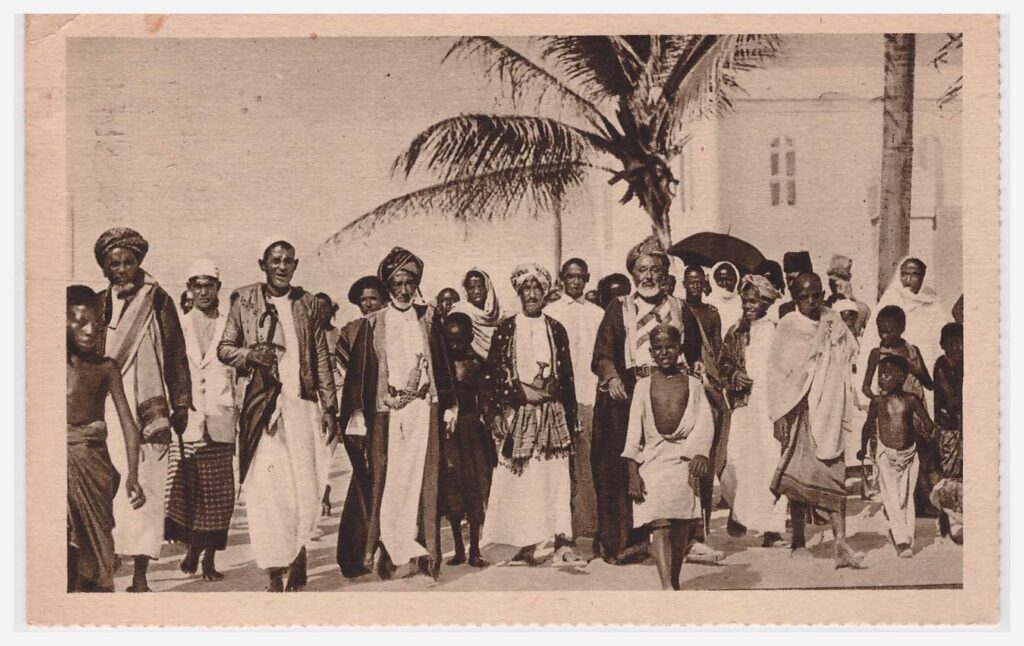
الصورة: وجهاء من قبيلة البيمال الصومالية سنة 1938 — مصوّر مجهول، ويكيميديا كومنز (ملكية عامة) — صفحة الصورة
نُشرت هذه الدراسة أولًا في كتاب المسبار الشهري «الإسلاميون في الصومال» الصادر عن مركز المسبار للدراسات والبحوث في دبي، يونيو 2010. ثم نشرها موقع المركز بتاريخ 19 أبريل 2018 (نسختها في أرشيف الإنترنت).
تعددت وكثرت الكتابات التي تتناول الشأن الصومالي من جوانبه المتعددة، منذ انهيار دولته في 1991 ووسم بالدولة الفاشلة Failed State، وغيرها من الأسماء، التي أصبحت مصطلحات في مجالها لا يدل عليها سوى وضع الصومال. ولكن من بين هذا الكم من الكتابات قليل منها ما تناول موضوع الحركات الإسلامية في الصومال، والقليل مما هو موجود في هذا الشأن كتب في الفترة الأخيرة، ولا سيما بعد نجاح المحاكم الإسلامية في السيطرة على جنوب الصومال منتصف العام 2006.
من المعروف عن الصوماليين أنهم مشهورون بحفظ الأنساب، وهو أول ما يحفظه الوليد عن ظهر قلب فور تعلمه النطق، فيحفظ سلسلة نسبه على جده الأكبر. لأن القبيلة تحتل مكانة عظمى في المجتمع. وتنقسم القبائل الصومالية الكبرى إلى مجموعتين هي «صومال» و«صاب». وتفرع من صومال، التي منها اشتق اسم البلاد ثلاث قبائل هي «در» و«دارود» و«هوية». وتفرع من صاب قبيلتا «دغل» و«مرفلي»، وهناك مجموعات صغيرة أخرى ضمن المجتمع الصومالي من غير هذه القبائل. ويرجع جميع النسابة الصوماليون أنسابهم إلى أصول عربية قرشية هاشمية.
وينحدر من الدر سمرون سعيد وقبيلة البيمال في الجنوب ذات البأس الشديد في مقارعة الاستعمار، والعيسى المنتشرة في جيبوتي ومناطق من شمال الصومال، وسور وفيق. ومن النسابة من يلحق الإسحاقيين وهم معظم سكان الصومال البريطاني لهذه القبيلة، ولكن معظم الإسحاقيين ينفون ذلك، ويقولون إنهم قبيلة مستقلة عن الدر بل ويزعمون أن نسبهم يرجع إلى زين العابدين بن علي بن أبي طالب.
ومن فروع الإسحاقيين؛ هبر أول وهبر يونس وهبرجعل وأرب وجرحجيس وأيوب وتول جعل. وينحدر من الدارود الأوغادين ومنها المجاهد الكبير السيد محمد عبد الله حسن، والمجرتين ومنها جاء الرئيس السابق للصومال عبد الله يوسف، والمريحان ومنها الرئيس الصومالي الأسبق محمد سياد بري، والدولبهنتي وورسنجلي وللكسي.
أما الهوية فينتمي إليها الأبغال وينحدر منها زعيم المحاكم الإسلامية والرئيس الحالي للبلاد الشيخ شريف وكذلك رئيس الوزراء الأسبق علي جيدي، وهبر جذر وينتمي إليها زعيم الحرب محمد فارح عيديد والرئيس الصومالي السابق عبد القاسم صلاد، ووعدان وحوادلي وباديعادي والشيخال (الشيوخ).
أما القبائل المنحدرة من ساب فهي الدجل (بكسر الدال) ومريفلي (بكسر الميم). وينتمي إلى الدجل قبائل الجرّي، وجيليدي ودبري، كما ينتمي إلى المريفلي الرحنوين وحرين. وهناك أقليات لا تنتمي إلى القبائل الكبرى ولكنها انحدرت منها بشكل أو بآخر لكنها نبذت لأسباب اجتماعية خاصة بالنظام القبلي ومن بينها تومال ومَدبان ومدجان. كما توجد أقليات ذات أصول زنجية منها أيلاي وجيدو. أما اليبر وهي مجموعة قبلية صغيرة فلا يعرف لها أصل ويعتقد الكثير من الصوماليين بأن جدهم كان ساحرا عظيما فنفاه أحد العلماء إلى الجبال. ومن الأقليات قبائل عربية ما زالت محتفظة بسحنتها وبشرتها الفاتحة تقطن في الغالب في حواضر المدن الساحلية ومنها مقديشو ومركة وبراوة وكسمايو، وهم مؤسسو هذه المدن، ولكن بسبب الهجرات الكبيرة من البادية طغت عليهم القبائل الأخرى(1)((1)).
أما الكتابات عن هذه القبائل وعلاقتها بالحركات الإسلامية التي نشأت في الصومال، فهي قليلة، منها ما سطرته فئتان: أولاهما أبناء هذه الحركات نفسها، ممن درسوا في البلدان العربية، وهؤلاء لا يتعرضون كثيراً للمثالب بل ينزعون إلى تمجيدها والتهويل مما قامت به في خدمة المجتمع أكثر من تحليل أوضاعها بعين الباحث المجردة، ويندرج تحته ما كتبه الباحثون العرب الآخرون وهم عيال على ما يكتبه الصوماليون والغربيون في الغالب. وثاني هذه الكتابات ما كتبه الباحثون الغربيون، وهؤلاء رغم كون كتاباتهم تتصف بمنهجية البحث، إلا أنهم إما يهونون من شأن هذه الحركات أو يشوهون من صورتها باتهامها بتهم مثل الإرهاب وغيره، وإن رأوا أو ذكروا إنجازات فالغالب أنهم يحذرون منها بدل الإشادة، وكلا الأمرين لا يتناسب مع منطق الكتابة الرصينة التي تبحث عن الحقيقة والإنصاف.
كذلك من بين كل ما كتب لم أطلع بعد على بحث متكامل حول دور القبيلة، والقبلية في الحركات الإسلامية الصومالية. رغم كثرة تناول موضوعة القبيلة والقبلية في سياقات الحديث عن الشؤون والشجون الصومالية، ولكن في سياق الجماعات الإسلامية لم يكتب أحد بحثا في هذا الموضوع من قبل على حد علمي.
لهذا سيكون من الصعب الإشارة إلى مراجع كثيرة في هذا البحث، بسبب عدم توافرها أصلا، حتى يمكن الرجوع إليها للتزود بالمعلومات ثم تحليلها. فما سنكتبه ونحلله مبني على معلومات خاصة بالكاتب، وبعضها إشارات متفرقة في ثنايا البحوث الأخرى، ونتيجة لقاءات كثيرة مع عدد من أبناء هذه الحركات يدلون فيها بأحاديث لا يتداولونها عادة مع الآخرين من غير الإسلاميين. ومع ذلك سيتم الإحالة إلى المصادر كلما أمكن ذلك.
التفسير القبلي للأحداث
هناك مدرسة يتبناها معظم الباحثين الغربيين تذهب إلى إضفاء التفسير القبلي على جميع الأحداث السياسية في الصومال وتطوراتها، ويرون أن هذا هو كلمة السر التي تفك الشفرة لفهم ما لا يفهم(2)((2))، ويكادون يرجعون كل حدث إلى أساس قبلي، دون ملاحظة التطور الاجتماعي والسياسي للمجتمع الصومالي على الأقل في فترة الحرب الأهلية، وكذلك في تجاهل ربما مقصود للأبعاد الأخرى، ويشاركهم في ذلك عامة الصوماليين الذين يهمهم أن يعرفوا قبيلة الشخص أهم من الفعل الذي يقوم به. وهذا تعسف وسذاجة تحليل، أو ربما كسل بحثي، لأن البعد القبلي ليس هو المحرك الوحيد للأحداث، إنما هو عامل له أهميته في إطار العوامل الأخرى.
كذلك إهمال هذا الجانب كعامل مساعد لتفسير ما يحدث في الصومال، إذ من الواجب أخذه بعين الاعتبار وإعطائه الحيز الذي يشغله دون تضخيم، أو تعميم بوضعه مع الأبعاد الأخرى، حتى يعطينا تفسيرا متكاملا للأحداث التي قد تستعصي على الفهم في بعض الأحيان، لأن القبلية متغلغلة في الشخصية الصومالية بدرجات متفاوتة، ولكن لا يكاد ينفك منها أحد، ولها في الغالب حظ في التحركات والولاءات والأفكار، فهي عند الجاهل تعمل في وعيه ولدى العالم تعمل في لاوعيه. فهي في أحيان ظاهرة وواضحة، وفي أحيان أخرى تخفى.
القبلية في واقع الحركات الإسلامية الصومالية
ينقل كين منخاوس، الباحث الأميركي المتخصص، في شؤون الصومال من ترجمة إنجليزية لتقرير عن حالة الحركة الإسلامية الصومالية من عمر تاج بن عبد الله «أبو بلال» موجه إلى قيادة القاعدة قوله: “كما تعلمون الجهاد بدأ من دون تخطيط أو تنسيق… كل عضو من أعضاء الحركة موالٍ لقبيلته بتعصب… اتركها، فهي [منطقة] قبلية متعفنة”(3)((3)).
ويشير الباحثون في شأن الإسلام السياسي، في الصومال، إلى أن الإسلام لم ينجح تاريخيا في أن يكون عنصر حشد للمجتمع الصومالي، ولم يستطع التغلب على النزعة العشائرية للمجتمع الصومالي. ومعظم النشاطات الإسلامية حتى المعاصرة منها مثل المحاكم الإسلامية تميل إلى أن تكون منظمة من قبل القبيلة وبالمعايير العشائرية للمجتمع الصومالي(4)((4)).
حتى ثورة «الدراويش»، وهي أكبر ثورة إسلامية ضد الاستعمار في الصومال، أعقاب القرن 19 ومطلع 20، والتي قادها السيد محمد عبد الله حسن، أضعفت بسبب الحزازات العشائرية، وتعاون بعض الصوماليين مع المستعمر ضد الثورة من منطلق قبلي بحت((5)). ولذلك فالصوماليون لم يجمعوا على السيد محمد كبطل قومي.
ويلاحظ أيضا أن الكثير من الحركات الإسلامية، حتى الأكثر تشددا رغم إعلانها اعتماد الإسلام كمرجعية واحدة ورفضها الانتماء القبلي أو العشائري، لقيت رواجا في مناطق معينة بسبب احتضان عشائر تلك المنطقة لها لتحقيق مصالحها، من خلال العباءة الإسلامية على عشائر أخرى. ويمكن ملاحظة ذلك في بداية إنشاء المحاكم الإسلامية، وهي النشاط الذي لقي رواجا وتأييدا من جميع الحركات الإسلامية في الصومال بمختلف توجهاتها.
من البدايات
مما لا يخفى على المراقب المتابع، أن القبائل ذات الحضور القوي في ساحة الحركات الإسلامية، منذ مطلع السبعينات كانت من الهوية/ مجيرتين/ إسحاق، بينما كان حضور قبائل المريحان وأجادين وطولبهنتي قليلا باهتا أو منعدماً، وتفسير ذلك هو معارضة المجموعة الأولى للنظام العسكري، وموالاة المجموعة الثانية للنظام. أما قبائل الأقليات في المناطق الساحلية أو قبائل دجل ومرفلي، الذين كانوا محايدين في الصراع السياسي القائم، فإن حضورهم كان قليلاً، بينما كانت هناك عشائر مثل الشيخال، وأوحسن، وليلكسي كان حضورهم قوياً ويمكن أن يعزى ذلك إلى خلفيتهم الثقافية ذات البعد الديني، أو مواجهتهم مع مجموعات أكبر منهم حجماً في مناطق وجودهم.
كما يلاحظ أن الانضمام إلى الحركات الإسلامية، في أيام حكم سياد بري، كان أكثر في قبائل الهوية منها عن قبائل الدارود، فقبائل الجنوب كانت هي السائدة في الحركات الإسلامية من «الجماعة الإسلامية»، و«آل الشيخ»، أو ما سمي بـ «التجمع»، في ما بعد. ويمكن تفسير ذلك بأن الدارود كان في الحكم، وهذه تعتبر حركات معارضة.
وقد تساق تفسيرات أخرى لكون الجنوب منبع الحركات الإسلامية المعارضة، مثل وجود العاصمة في الجنوب، والنشاط السياسي والثقافي كان في الغالب متركزا فيها، ويساعد في ذلك وجود الجامعة الوحيدة في الصومال حينها الجامعة الوطنية في العاصمة، مما يزيد من النشاط الطلابي والثقافي والديني فيها.
ولكن بالمقارنة مع التجربة الوطنية، السابقة على الحركات الإسلامية في فترة مقاومة الاستعمار، مثل حركة رابطة الشباب الصومالي (SYL)، نجد أن هذه الحركة رغم انطلاقها من الجنوب إلا أنها عمت في القبائل كلها دون استثناء، وكان في قياداتها ومن بين أعضائها القبائل كلها الصغيرة والكبيرة، مما أكسبها زخما ومصداقية في حينها. بل كان أكثر من 50% من أتباعها من الدارود(6)((6))، وهذا ينفي أو يقلل من التفسير الآخر.
وكذلك حركة «وحدة الشباب الإسلامي»، التي كانت محصورة في أبناء الشمال لكونها نشأت أصلا في هرجيسا، رغم كون بداياتها قبل مجيء سياد بري إلى الحكم، إلا أنها اكتسبت شعبية أكثر بعد مجيئه وبروز المعارضة العامة للشماليين لحكمه، وعندما توحدت الحركتان «الجماعة الإسلامية» من الجنوب و«الوحدة» من الشمال، وكونتا «الاتحاد الإسلامي» في بداية الثمانينات، كان أكثر المنتمين للحركتين من الهوية، والشماليين من غير الدارود ما عدا المجرتين، الذين تمردوا على سياد بري العام 1978، وانضم الكثير منهم إلى «الاتحاد الإسلامي» بحكم كونهم مناوئين لنظام حكم سياد بري، الذي كانوا يتهمونه بمحاباة «المريحان» قبيلة الرئيس، على الرغم من كونهم من الدارود.
ومن الجدير بالإشارة هنا، أنه قبل مجيء سياد بري إلى الحكم، كانت حلقة الشيخ نور علي علو في مسجد أربع ركن، ثم منزل الجنرال محمد أبشر قائد الشرطة، وإثر مجيء سياد بري تعرض كثير من أبناء المجيرتين إلى الاعتقالات، وفي داخل السجن تعرفوا على المشايخ الذين كانوا في السجون أمثال الشيخ محمد معلم، والشيخ نور بارود جرحن، والشيخ عبد المجيد.
ومما مكن المجيرتين من الانخراط في التنظيمات الإسلامية السياسية، هو وجود مسجدين بيدها، وهما: مسجد الجبرتي في حي حمر جبجب (مركز حركة الأهل)، ومسجد الشيخ عبد القادر في عيل غاب (حلقة الشيخ محمد معلم)، وما لهما من الأثر في تكوين الحركات الإسلامية. كما أن مسجد موسى بقر في حي وابري، كان أغلب المجاورين له من أبناء هذه القبيلة، إضافة إلى ذلك فإن مضايقة النظام على أبناء هذه القبيلة أجبرتهم على اللجوء إلى دول الخليج، وخصوصاً المملكة العربية السعودية، حيث وجدوا فيها فرصا للتعليم والعمل وتأثروا بالفكر الإسلامي السائد فيها.
وفي الثمانينيات كان معظم قيادات وكوادر «الاتحاد الإسلامي»، من خريجي الجامعات الإسلامية السعودية، منتسبين إلى دار الإفتاء والبحوث العلمية، ويتلقون منها رواتبهم الشهرية مقابل القيام بالدعوة إلى «منهج السلف»، وحدث أن طلب من ممثلي الدار في الصومال اختيار عشرة أشخاص، من المنتسبين إليها، لحضور دورة شرعية في السودان، فظهر أن الذين اختيروا للمشاركة كلهم كانوا من الدارود، وليس فيهم أحد من الهوية أو الإسحاق، ولأن قبيلة الهوية في مقديشو فقد أقاموا ضجة على ممثلي دار الإفتاء في الصومال. وعقدت محاكمة حركية للشيخ عبد الله «جعمي»(7)((7))، وللشيخ عبد الله علي حاشي(8)((8))، انتهت بستر الأمور تحاشيا للافتضاح، ولكن عددا من علماء الهوية لم يرضوا بذلك، وأعلنوا خروجهم من الحركة، ومنهم عبد الرحمن أبتيو وسعيد جري (9)((9)).
وكان نظام سياد بري وقبيلته يرون في الحركات الإسلامية المعارضة واجهة للقبائل المعارضة للنظام أكثر منها «صحوة دينية». وكان له ما يبرره في الغالب، وهو أن الانتماء للحركة في هذا الوقت يعني إعلان التذمر من الحكم القائم، ومعارضته أكثر مما كان يعني الولاء الأيديولوجي البحت. ولذلك كان أتباع هذه الحركات من قبائل الأقليات، التي تقطن حواضر المدن والمناطق الزراعية في الجنوب، نادراً أو منعدماً، وكذلك الحال مع قبائل الدغل ومرفله. وحسب أحد كوادر الحركة فإنه عند سقوط النظام لم يكن في عضوية «الاتحاد الإسلامي» من المريحان ما يزيد عن عشرة أفراد.
وفي حديث خاص مع أحد المعارضين القدامى(10)((10))، لحكم سياد بري، ومن أعضاء الجبهة الديمقراطية للإنقاذ الوطني (SSDF)، التي كان يقودها عبد الله يوسف عندما كان لاجئا في إثيوبيا، وكانت تمثل قبيلة المجرتين، وانتمى هذا المعارض إلى إحدى الحركات الإسلامية في ما بعد. سألت هذا المعارض القديم عن سبب انتمائه للحركات الإسلامية فكان في جوابه، إلى جانب الحماسة الدينية التي كانت موجودة في ذلك الوقت: أنه رأى أن الحركات الإسلامية ربما تكون أكثر فاعلية في معارضة النظام بدلاً من الواجهة القبلية للجبهة.
المحاكم الإسلامية والقبيلة
بدأت المحاكم الإسلامية، في العاصمة مقديشو العام 1991، محاولةً من قِبل «محمد معلم»، ولكن فشلت آنذاك ودفنت في مهدها، لأن الزعيم القبلي عيديد حينها كان يرى أنها ربما تنافسه في السيطرة على الصومال(11)((11))، ولكن في بدايتها الثانية، العام 1992، بدأت في حي المدينة بمبادرة من الزعيم القبلي موسى سودي يلح، وبدعم من زعماء عشيرته، ومن هنا برز اسم الزعيم الجديد موسى سودي، الذي سيصبح، في ما بعد، أمير حرب مشهورا يمثل قبيلته في صراع السيطرة على مقديشو، بديلا لسلفه علي مهدي. وانتشرت، في ما بعد، في الحزام الشمالي من العاصمة باحتضان ودعم عشيرة الأبغال بمختلف أفخاذها، والتي كانت تسيطر على هذا الجانب من العاصمة. ورأى زعيم القبيلة المنافسة هبر جذر، وهو الجنرال عيديد، أن هذه المحاكم لم تنشأ سوى لتنافس زعامته وتزيح سيطرته وقبيلته، فكانت غير مرحب بها من جانبه، وجانب قبيلته المسيطرة على الجانب الآخر، معتبرين إياها واجهة للعشيرة الأخرى.
لكن النظرة إليها تغيرت بعد أن حاربها زعيم قبيلة الأبغال حينها علي مهدي، نزعم أنه تمّ بإيعاز من المخابرات الأميركية(12)((12))، العام 1996، وتم تجميدها في الحزام الشمالي. فلقد بدأت عشيرة هبر جذر -التي كان زعيمها مناوئا لها- محاكم إسلامية خاصة بها، تتناسب مع احتياجات أفخاذها. وازدهرت المحاكم الإسلامية، وكثرت في العاصمة، ولكن من الجانب الجنوبي، وحينها لم يكن قد بقي للجانب الآخر سوى محكمتين غير فعالتين بالقدر المطلوب واحدة في سيناء، والأخرى في سوق بعاد، وكلتاهما تابعتان لفخيذة الوعيسلي من الأبغال.
وعلى الرغم من أن الأبغال هم من بادروا إلى إنشاء المحاكم ورعايتها، غير أنهم لم ينشئوا محكمة، في ما بعد، إلا بعد مجيء الشيخ شريف شيخ أحمد في 2003، الذي أنشأت له قبيلته محكمة «سي سي»، بعد أن وصل عدد المحاكم إلى ما فوق العشر في مقديشو وحدها، لأنهم كانوا ينظرون إليها على أنها نظام يختفي فيه الخصم اللدود «الهبر جذر». وهذا ما جعل قبيلة الأبغال غير مرتاحين لتطورات الأوضاع في منتصف 2006. وبالرغم من أن قائد ثورة المحاكم وزعيمها هو ابنهم، شريف أحمد، فقد كانوا ينظرون إلى المحاكم نظرة ريبة، وكانوا ينظرون إلى شريف وكأنه آلة يستخدمها الخصم للسيطرة. بينما في الطرف المقابل كانت الهبر جذر كلها، برّها وفاجرها، مع حركة المحاكم الإسلامية عندما هبت ضد أمراء الحرب، لأنهم كانوا يستشعرون أنها مشروعهم، وأن قائدها الحقيقي هو حسن طاهر أويس العيري الهبجذري، وما شريف سوى واجهة التحريك والتخفي.
ومن المهم الملاحظة أن المحاكم الإسلامية لم تنشط وتنجح، سوى بفضل أنها اعتمدت ألا تكون شمولية، بل كانت نبتة محلية تجاوبت مع ضرورات الواقع. فكانت لكل قبيلة محكمة خاصة بها، ولا تتدخل في شأن القبائل الأخرى. كذلك تجنبت في المرحلة الأولى الصراع على السلطة السياسية للقبيلة فتركته لأمراء الحرب يديرونها، وأخذت هي فقط جانب الأمن والقضاء وهذا كان سبب نجاحها. وفي بعض الأحيان كانت تأتي كنتيجة للتنافس بين القبائل، فإذا كان للعشيرة الفلانية محكمة خاصة بها، فلماذا لا تكون لدى عشيرتنا أيضا محكمة إسلامية خاصة. لذا كانت في العاصمة مقديشو وحدها أكثر من عشر محاكم –كما أشرنا آنفا- بعضها لعشائر وبعضها لأفخاذ من القبيلة نفسها(13)((13)).
شرعنة القبلية داخل الحركات
من أكثر الحركات انتشاراً حركة «الاتحاد الإسلامي»، ورغم شيوع فكرها السلفي وأيديولوجيتها على مستوى الصومال، والمناطق التي يسكنها الصوماليون في الأوغادين وشمال كينيا، إلا أنها لم تزدهر في أي منطقة إلا بعون قبلي، عندما وجدت عشيرة أو قبيلة تلك المنطقة أنها سترجح كفتها ضد القبائل أو العشائر المنافسة لها.
في أواخر الثمانينات، حين بدا النشاط القبلي على أشده، أسست حركة الاتحاد الإسلامي قاعدة شرعية تشرع للقبلية سمتها «دعوة ياقومِ»، ورفعته شعارا للحركة، بمعنى أن كل أبناء عشيرة عليهم أن يقوموا بنشر أفكار الحركة في داخل عشيرتهم. وتطورت هذه السياسة بعد سقوط النظام، فعلى أساسها أقر للمنتسبين إلى الحركة بإلقاء دروس وعقد لقاءات ومحاضرات وأنشطة، تكون مخصوصة لأبناء عشيرتهم، وتطور ذلك، في ما بعد، إلى إنشاء معسكرات تدريب في كل منطقة خاصة بأبناء تلك المنطقة، مما جعل الحركة المذكورة تقوم على المعايير العشائرية.
وكانت حركة «الإصلاح» تشنع على منافستها «الاتحاد الإسلامي»، بالرغم من أنها كانت أيضا تتهم، منذ ذلك الوقت، بأنها تمثل مصالح قبائل الجنوب الهوية، ولكنها رضخت للواقع منتصف التسعينيات، وشرعت في مجالسها مفهوما مقاربا لذلك الذي تبناه الاتحاد، ولكن بمصطلح آخر سموه «التعامل مع الواقع». وكان التعامل مع الواقع، حسبما فسره منظرو الحركة، أن يقوم كل واحد من أبناء الحركة بالتغلغل في قبيلته والظهور فيها، وأن يظهر أنه يسعى لمصلحتهم حتى يستطيع منافسة أمير حرب قبيلته في الاعتماد عليه، ويمثل قبيلته في الاجتماعات والمؤتمرات.
وقد برزت نتيجة ذلك واضحة في مؤتمر «عرتة» في جيبوتي، العام 2000، الذي نشطت فيه الحركة بشكل واضح، حيث جاء معظم كوادرها ممثلين لقبائلهم، ساعين إلى ملء كراسي البرلمان. ولكن التناقض الذي حصل هو أن أبناء الحركة الواحدة في القبيلة كانوا يتنازعون الكرسي في ما بينهم. وتكرر الأمر في مؤتمر «مباغاتي» العام 2002-2004، في نيروبي كينيا، وبدا الصراع القبلي أشد هذه المرة، فكان ممن تنافسوا على الكرسي من القبيلة نفسها ليس من رجال الصف الثاني، أو الثالث في الحركة، بل من الصف الأول. وتكررت تصريحات قيادات الحركة عبر الإذاعات أنهم يمثلون قبائلهم ومصالحها، ولا يمثلون الحركة، أحدها كان في حوار مع مفكر الحركة د. الدسوقي مع إذاعة «اقرأ»(14)((14))، والأخرى تصريح للدكتور علي باشا، المراقب منذ 2008 لأحد جناحي الحركة الرافض للإقالة.
وترى من المتناقضات، التي ظهرت في ساحة الحركة جراء هذه السياسة، أن تجابهت عشيرتان قائد مليشيات كل عشيرة من الجانبين كان من الحركة! وأكثر من ذلك فإن أبناء الحركة دخلوا في جميع المجالس والتشكيلات الإدارية الانفصالية، وصاروا من المنظرين لانفصال الشمال عن الجنوب وغير ذلك، مما يناقض مرجعية الحركة ومشروعيتها، ولم يجر فصل هؤلاء أو محاسبتهم(15)((15)).
التنافس القبلي داخل الحركات الإسلامية
في داخل كل حركة هناك صراع قبلي خفي، قد لا يظهر لغير الصوماليين، ففي «الاتحاد الإسلامي»، أيام سياد بري، نشبت معركة خفية بين قبائل الهوية والدارود، عندما شعر أبناء الهوية أنهم مهمشون بسبب قدرة المجرتين على السيطرة على زمام الأمور في الحركة الإسلامية، لاستخدامها كرأس حربة لمواجهة حكم سياد بري.
في العام 1988 حدثت مواجهات عنيفة بين الحكومة الصومالية وجبهة «الحركة الوطنية الصومالية» في الشمال؛ والتي كانت تمثل الإسحاقيين، ودمرت الحكومة وقتها مباني الأهالي في مدن الشمال بالطائرات. وطلب الشباب الإسحاقيون من «الاتحاد الإسلامي» بدء الجهاد الموعود لتحرير البلاد من هذا الطاغية، وإعادة الحكم إلى يد الشعب المسلم، ولكن مجلس شورى الاتحاد رفض ذلك وطلب منهم عدم الدخول في المواجهات الدائرة باعتبارها فتنة، وعليهم تجنب الفتنة. وأدى ذلك إلى خروج الكثير من كوادر الحركة في الشمال، وعودتهم إلى حركتهم الأصلية «وحدة الشباب الإسلامي»(16)((16)).
ولكن قبل انهيار الدولة، في أواخر أيام سياد بري وهو يصارع مليشيات المؤتمر الوطني الموحد الذي يقوده عيديد في مقديشو وهي تابعة للهوية، اجتمعت قيادات من الاتحاد الإسلامي في مقديشو للتشاور في كيفية المشاركة في الثورة ومحاربة «الطاغية»، والاستفادة من الظروف المواتية لإقامة حكم إسلامي في الصومال. وحسب أحد المشاركين في الاجتماع فإنه ثار بعض القيادات المنتمية إلى الدارود، ورفضوا المشاركة في القتال، حيث أحسوا أن هذه الثورة هي من الهوية ضد الدارود، وأن الهوية يريدون استغلال الحركة لتحقيق أهداف قبيلتهم(17)((17)).
وفي فترة نهاية الثمانينيات جرت انتخابات لمجلس الشورى لحركة «الاتحاد الإسلامي»، وكان أكثر الذين دخلوا في المجلس من قبيلة الدارود، وأقامت كوادر الهوية من الحركة ضجة كبيرة، قادها الشيخ علي وجيزي(18)((18))، والشيخ حسن علسو لإنهاء الخلاف بترضية المحتجين، ولكن هذا الجرح لم يندمل لدى الشيخين المحتجين إلى أن انتهى بخروجهما من الاتحاد بعد ذلك(19)((19)).
وفي العام 1991، وبعد انهيار الدولة الصومالية، كان شباب «الدارود» من الاتحاد الإسلامي قد تفاهموا مع زعيم عشيرتهم «مورجان» على الدفاع عن مدينة كسمايو ضد عيديد، على أن تكون بعد ذلك إمارة إسلامية. ووجهت قيادة الاتحاد الإسلامي في مقديشو وفداً لتحييد معسكر الاتحاد، وإقناعه بعدم المشاركة في المعارك بجنب قبيلته، وكان على رأس هذا الوفد حسن طاهر أويس((20)) وحسن علسو، وسمح عيديد لوفد العلماء بالتفاوض مع مليشيات الاتحاد في كسمايو، ووافق على عدم التعرض لهم إذا لم يشاركوا في المعركة، لكن الشباب رفضوا الانصياع. وقاتلوا بجانب قبيلتهم حتى هزموا(21)((21))، وكان إبراهيم حاج جامع (الأفغاني) من المشاركين في هذه الحرب. وأثناءها خرج من الاتحاد حوالى خمسين من أعضائه، معظمهم من قبيلة الهوية، وكان أبرزهم الشيخ حسن علسو محمد، وذلك احتجاجاً لما فعله أبناء الدارود من الحركة(22)((22)).
وعندما بدأت موجة معسكرات التدريب، في الحركات الإسلامية، شارك في المعسكر الأول معظم الحركات الإسلامية في مقديشو، ولكن انسحبت الحركات الأخرى، في ما بعد، وبقيت «الاتحاد الإسلامي»، وكان أول معسكر خالص لهم في مدينة مركة الجنوبية، التي تبعد 100 كم من العاصمة مقديشو، وسيطروا على مينائها الذي كان يدر على الحركة دخلا كبيراً. وبرز علماء كبار من الحركة لمحاربة فكرة العسكرة والمعسكرات التدريبية، التي تأسست في مناطق الدارود في طوبلي ولوق وبوصاصو وكسمايو، ومن بينهم: عبد القادر عكاشة(23)((23))، وعبد الله لكري(24)((24))، ومحمد عبدي طاهر(25)((25))، ود. عمر لغي(26)((26))، ود. عمر وهليه(27)((27))، ود. أحمد إمام(28)((28))، ود. عثمان معلم وحسن علسو(29)((29))، وعلي وجيزي(30)((30))، والشيخ عبد الله ديرية أبتدون(31)((31)).
كل هؤلاء خطبوا ونادوا ضد هذه المعسكرات بحجة أن هذا مخالف للسلف، وخرجوا من الاتحاد في تلك الفترة، وبعضهم أنشأ حركة مناوئة لها في مقديشو، تسمت بـ «أنصار السنة المحمدية»، وبعضهم «السلفية الجديدة» من أتباع فكر «الربيعيين»، ومحمد سرور. والغريب أنهم جميعا كانوا من الهوية ما عدا واحد من الدر، ولم يكن بينهم واحد من الدارود.
وكان التأصيل الديني أنه لا يجوز ومخالف للسنة، وقد يبرره البعض بأن الفكرة جاءت من قبل علماء كانوا حينها في السعودية وتأثروا بالفكر «الربيعي»، إلى جانب أن بعض العلماء في مقديشو اقتنعوا بها. ولكن أبناء الحركة، من الذين أنشئوا المعسكرات، فسروا الأمر بطريقة أخرى لها اعتبارها في المحيط القبلي السائد، وهي أن هؤلاء العلماء من الهوية استشعروا أن وجود المعسكرات سيؤدي في النهاية إلى سيطرة الدارود على الحركة، وزيادة قوتهم العسكرية فيها، لا سيما وأنه لم يكن ممكنا أن يقيم الهوية معسكرات مماثلة في مناطقهم، لأن «زعماء الحرب»، من أمثال عيديد، ما زالوا في قوتهم، ولا يسمحون بتأسيس قوة عسكرية أخرى، وينظرون إلى هذه الحركات نظرة ريبة.
وفي لوق بمحافظة جدو دخل أبناء عشيرة المريحان، من «الاتحاد الإسلامي»، في اتفاقية مع الجبهة الوطنية الصومالية، والتي تمثل العشيرة في محافظة جدو، العام 1996، على إدارة المدينة بصورة مشتركة، وهنا لقيت دعما واحتضانا من القبيلة. ولكن مع مرور الوقت جذب الاتحاد أعضاء الجماعة من العشائر الأخرى، محاولاً إثبات التغلب على النزعة العشائرية، لكن رجال الجبهة الوطنية الصومالية رأت أن هذه محاولة من الحركة للاستقواء عليها، وأنها اخترقت وتمثل واجهة لقبائل أخرى للسيطرة على أراضي العشيرة، فاضطر فرع الاتحاد في لوق في موقف حرج إلى الإصرار على أنه ليس كذلك. ولأن منطقة لوق مشتركة بين المريحان والعشائر الأخرى رأت هذه العشائر أنها واجهة مريحانية للسيطرة والهيمنة(32)((32)).
ويلاحظ أن الدارود عندما وجدوا أن الجبهات الوطنية، التي تمثلهم في الحرب الأهلية، انهزمت أمام قوة عيديد، ممثل قبائل الهوية في بدايات الحرب الأهلية، انضم أكثرهم، ولا سيما ممن خدموا في الجيش، إلى الاتحاد الإسلامي، وصاروا المدربين في معسكراتها لسببين اثنين: إما أن يكونوا يريدون تقويتها كونها البديل الجيد، الذي لا يزال قويا ويمكن من خلاله استعادة السيطرة، وإما بسبب أن اقتصاديات هذه المعسكرات كانت قوية وتوفر لمنتسبيها رواتبَ وطعاماً يوميا، إذ كانت تمويلاتها التي تأتي غالبا من الخليج كافية لسد الجوع الذي يعاني منه أبناء هذه المناطق.
وهكذا نجد، على مدار سنوات الحرب الأهلية، لم يكن بالإمكان أن تعيش حركة ما بدون الاستعانة بالعشيرة في المناطق، التي توجد فيها بطريقة أو بأخرى، ولم يمكن لحركة أن تبقى في مكان ما دون إظهار الولاء للعشيرة، بل إن الغالب أن من يسيطر على منطقة هو من أبناء تلك العشيرة لا غير.
وكانت حركة «الإصلاح» تتهم من خارجها بأنها حركة تهيمن عليها عشيرة «الشيخال»، فمعظم مؤسسيها وقياداتها من العشيرة نفسها. بل إن الكثير من الصوماليين يشيرون إلى أن السيطرة والتأسيس كانت من قبل فخذ «أو قطب» من هذه العشيرة، وهي الجزء الذي جاء من الصومال الغربي، وقد عملوا على إبقاء قيادة الحركة بأيديهم، ولم يشذ عن هذا إلا المراقب الثاني للحركة الدكتور محمد علي إبراهيم، الذي جاء من خارج العشيرة، وتعرض إلى ضغوط وهجمات من قبلهم، تركت آثاراً سيئة على بنية الحركة وتماسكها الداخلي، وذلك بهدف جعل الحركة آلة للمواجهة مع عشيرة الأوغادين المسيطرة على الوضع في منطقة الصومال الغربي «الأوغادين» المحتلة، والتي جاء منها معظم قيادات الحركة.
وعندما أحس أبناء الأوغادين، من منطقة الصومال الغربي، أن قيادات الحركة من الشيخال استأثرت بالقرارات المصيرية في الحركة، سواء في المركز أو في الإقليم، انشق جزء كبير منهم وكونوا تنظيما آخر باسم «التضامن الإسلامي» في أغسطس (آب) 1992، يحمل الفكر الإخواني نفسه. وكذلك المجرتين، الذين كانوا قلة في الحركة، أعلنوا تذمرهم، وقل نشاطهم في الحركة وخاصة عندما انحازت وتحالفت قيادة الحركة مع القيادات السياسية من قبيلة هوية في مؤتمر عرتة العام 2000، ولأن الأوغادين والمجيرتين من الدارود أصبح معظم أتباع الحركة من عشائر الهوية.
وبسبب أن معظم نشاط الحركة كان في داخل مقديشو، فشلت القيادة في مراعاة التوازن بين القبائل المتنافسة، وخرقت بذلك قرارات الحركة التي كانت تقضي بحيادية الحركة في الصراع الدائر بين العشائر وخصوصاً بين عشيرتي «الأبغال» و«هبرجدر»، وتأرجحت بينهما، تارة إلى «الأبغال» وتارة إلى «هبرجدر». ولما وصل الأستاذ عبد الرحمن معلم باديو من كندا، في منتصف التسعينيات، تم تعيينه، في ما بعد، نائباً للمراقب العام للحركة، بالرغم من حداثة عهده فيها، متجاوزة بذلك قيادة الحركة أنظمة ولوائح الحركة، ترجحت كفة «الأبغال». وعندما برز نجم عبد القاسم صلاد حسن مرشحاً لرئاسة الجمهورية انحازت إليه قيادة الحركة وهو من قبيلة «هبرجدر»، مما أثار ضجة كبيرة داخل الحركة.
حدث أن تحالف، في مباغاتي بكينيا العام 2002، قادة الحركة مع مجموعة الثمانية G8، وهم زعماء الحرب المعروفون من قبيلة الهوية ضد عبد الله يوسف المرشح للرئاسة آنذاك، وهو من قبيلة الدارود. وبقيت قيادة الحركة تتأرجح وتغير تحالفاتها مع وضد القبائل حتى فقدت معظم أعضائها وكوادرها وقياداتها التاريخية، وانسحبت أخيرا من مناطق جنوب الصومال متجهة إلى بونتلاند وصوماليلاند(33)((33))، وكان أبناء هاتين المنطقتين يشكون من تمركز الحركة في الجنوب.
وعندما زاد التذمر بين أبناء الحركة حول ما تقوم به القيادة، وقامت مجموعة من قيادات الحركة التاريخية من القبائل الأخرى، بإقالة القيادة الموجودة في مؤتمر عقدوه أواخر العام 2007، لم يكن من بين المجتمعين واحد من عشيرة «الشيخال» المتحكمة في أمور الحركة، وحتى الآن لم يشذ عنها أحد من هذه العشيرة. مما يشير أن الإحساس بالانتماء إلى الحركة يتعانق مع الانتماء للعشيرة.
كانت شكوى أبناء القبائل واضحة في الجلسات السرية في ما بينهم البين، لكن مع الآخرين تأتي شكاواهم وتذمراتهم في الغالب بطريقة مهذبة، حتى لا تكشف فتشكو مجموعة من الحركة بأن نشاط الحركة ومشاريعها منصب في منطقة معينة، فأبناء الدارود والإسحاق قالوا: إن كلَّ الأنشطة والمشاريع في الجنوب، وليس هناك توزيع عادل للمشاريع بالرغم من الأمن في مناطق الشمال، وهكذا. وهذه طريقة مهذبة للاحتجاج دون ذكر القبيلة!
الدعوة والتبليغ والصوفية
الحركة الوحيدة التي يمكن أن يقال إنها سلمت من ذلك هي «جماعة الدعوة والتبليغ»، وهي حركة نزعم أنها مبنية على أساس الدعوة، وليس لها طموح سياسي، والبذل فيها على مستوى فردي، ولهذا السبب ربما لم يكن للقبيلة فيها دور.
وكذلك الصوفية وطرقها، كانت نسبيا لا تظهر فيها القبيلة والقبلية، عندما كانت بعيدة عن حلبة الصراع السياسي، ولكنها منذ أنشأت تنظيم «أهل السنة والجماعة» دخلت فيها القبلية بشكل جذري. ولعلَّ أبرز حدث يؤرخ لاندلاع القبلية فيها كان في العام 2007، عندما اجتمع رجال الصوفية في منزل أحد أبرز علمائها، وهو الشيخ معلم نور، لاختيار رئيس للتنظيم، فشكلت لجنة ترأسها عبد القادر صومو، وهو من الأبغال، لاختيار رئيس للتنظيم. فخرجوا بعد الاجتماع لإعلان نتيجة التشاور وقرروا أن يكون رئيس التنظيم شريف شيخ محي الدين العالم الأزهري، وهو من الأبغال. فغضبت المجموعات الأخرى من «الهبر جذر»، وأعلنت أن اللجنة ليست أصلا مخولة لاختيار رئيس، وإنما لوضع إجراءات الانتخاب فقط، لذلك فقرارها يعتبر لاغ، وأعلنت بعد ذلك الشيخ معلم محمود شيخ حسن فارح، وينحدر من عشيرة هبر جذر فخيذة عير رئيسا للتنظيم، وهو الذي يقودها حتى الآن.
وتنحصر قيادة تنظيم «أهل السنة والجماعة» حاليا في عشائر «الهبر جذر – عير والمريحان ودر»، ومعظمها قبائل وسط الصومال وليست في الجنوب. لذلك تجد معارك التنظيم الفاصلة مع حركة الشباب تقع في مدن المحافظات الوسطى، مثل: عابدواق، وطوسمريب، وجري عيل، حيث تسكن عشائر العير والمريحان والدر ومدينة «محاس»، التي يغلب عليها الحوادله، بينما في الجنوب لا يدخل التنظيم حربا مع الحركة. وقد يكون لعدم دخول الحركة الصوفية في الجنوب تفسير آخر وهو تأثير البيئة على صوفية الجنوب وهي بيئة غير قتالية بل مسالمة في الغالب.
حركة الشباب
تعتبر حركة «شباب المجاهدين» في الغالب بعيدة عن القبيلة، ولكن يلاحظ المراقب أن الانضمام إليها ودعمها يأتي من منطلق قبلي. ففي البداية لقيت الحركة دعما واحتضانا من قبل فخيذة عير من عشيرة الهبرجذر، بسبب تعاطف الشيخ حسن طاهر أويس معها، وانتماء قائدها العسكري آدم حاشي عيرو، وكلاهما ينتميان إلى نفس الفخيذة.
ووجدت الحركة مرتعا خصبا في مناطق سيطرة فخيذة عير، في شبيلي السفلى، وتحالفت مع زعيمها يوسف إنطعدي(34)((34))، الذي أفسح لهم المجال لإنشاء المعسكرات في المنطقة التي يسيطر عليها. وبعد صعود نجم المحاكم الإسلامية، التي كانت تتهم من الأبغال بأنها حصان طروادة عيري للسيطرة على الصومال، كانت الشباب أبرز الحركات المسيطرة عسكريا.
ولكن البنية القيادية فيها وتشكيلاتها بعيدة عن القبلية، بالرغم من أن القبائل تستخدمها للاستقواء بها في الغالب، ولا سيما تلك التي تجد أنها ضعيفة لا تستطيع مجابهة القبائل الكبرى، ويلاحظ هذا الأمر في جميع المناطق والمحافظات.
ففي مقديشو، وبعد دخول القوات الإثيوبية، دخل أبناء عشيرة مرورسدي في حركة الشباب، وكان شبابها هم وقودها في الحرب، ذلك أن مرورسدي شعرت أن القبيلتين الكبيرتين المتصارعتين على مقديشو، وهما أبغال وهبرجذر، يهمشان دورها، فرأت أن تستقوي بالشباب. وكذلك تفعل الكثير من القبائل المهضومة الحق والأقليات، إذ يمكنهم من خلال انتمائهم لحركة الشباب أن يفعلوا الكثير باسم الحركة.
ونجد في الشمال أن أكثرية المنتمين إلى حركة الشباب، أو المتعاطفين معها، هم من منطقة برعو، وهي التي تقطن فيها عشيرة جرحجس، التي تشعر بالإهمال والتهميش من قبل عشيرة الإسحاق – هبر أول، وكذلك عشيرة أرب، الأقلية مهضومة الحق، وهي عشيرة أمير الشباب أحمد عبدي جدني، المعروف باسمه الحركي مختار أبو الزبير.
وفي بلدوين، التي تنقسم إلى جهتين إحداهما ناحية الشرق حيث وسط المدينة والإدارة السياسية ويكثر فيها أبناء عشيرة الحوادله، والأخرى جهة الغرب، التي يكثر فيها عشيرة جوجندبي (بادي عدي وجيجيلي، ومتحالف معها جالجعل)، كانت القبيلة المسيطرة هي حوادله، وكان قائدهم من المحاكم الإسلامية، التي والت حكومة شريف شيخ أحمد عندما تأسست ورفضت الشباب. ولذلك عندما ثارت المعارك، بين المحاكم والشباب، إثر اغتيال وزير الأمن عمر حاشي في تفجير انتحاري، وعدد من رجال عشيرة حوادله، اصطفت جوجندبي مع الشباب في مواجهة قوات المحاكم التي يقودها الشيخ عبد الرحمن معو.
ومن الغرابة بمكان أن قائد المحاكم الإسلامية، عبد الرحمن معو، غير ولاءه خلال عام واحد بين ثلاثة تنظيمات متناقضة، فبدأ بالوقوف مع الحكومة، ثم خرج منها إلى الحزب الإسلامي، ثم دخل إلى تنظيم أهل السنة والجماعة. وهذا يوضح أن الأيديولوجية تخدم القبيلة وليس العكس.
وفي كسمايو أيدت مجموعة «معسكر رأس كيامبوني» الأوغادينية، التي يقودها حسن تركي (عبد الله حرسي) حركة الشباب في البداية، وسيطرت الحركة على المدينة بالتعاون مع مليشيات المعسكر التابعين لعشيرة الأوغادين. واستاءت القبيلة الأخرى، المساكنة لهم في المدينة المريحان، ورأت أن ذلك سيقوي من سيطرة الأوغادين على المدينة ومعظم محافظة جوبا الوسطى، وعندها شعر الشيخ تركي وقبيلته أن إدارة المدينة ليست في يده، وأن الشباب تشدد قبضتها عليهم، ولا يستشيرونهم في شيء، وذلك أن الشباب تحالفوا مع القبائل المناوئة لها كاستراتيجية لتقويض قبيلة الأوغادين، وتسويتها مع بقية القبائل الأخرى في الإقليم. فأراد أن يناورهم ويفرض سيطرته على المدينة فاستغل المريحان الفرصة وأيدوا الشباب ضد زعماء الأوغادين من الحزب الإسلامي، والذين حاربتهم الحركة حربا شعواء في معارك كسمايو الفاصلة (سبتمبر/أيلول-أكتوبر/تشرين الأول 2009)، وأخرجتهم من المدينة إلى حدود كينيا، ولجأ بعضهم إلى كينيا. ولكن الشيخ حسن تركي، وهو المتشدد العسكري، عندما وجد أن الأمور قد خرجت من يده، وأنه لا يستطيع اللجوء إلى كينيا، لأنه مطلوب دوليا لوجود اسمه في قائمة الإرهاب، فضل العودة إلى الشباب، وأعلن انضمامه إليها رسمياً(35)((35))، ولم يرض هذا قبيلته ولا أتباعه وقادته العسكريين من أمثال أحمد مدوبي وذو اليدين. وجرت أحاديث بين بعض شرائح قبيلة الأوغادين، حول ما حدث لهم على أيدي الشباب بقيادة أمير الحركة أحمد عبدي جدني من قبيلة الإسحاق، وحاكم مدينة كسمايو من القبيلة نفسها، باعتباره انتقاماً من القبيلة لما تعرضت له قبيلة الإسحاق على أيدي المجاهد محمد عبد الله حسن في مطلع القرن العشرين، بعد ادعاءات تحالف الإسحاقيين في ذلك الوقت مع المحتل البريطاني.
خاتمة
من خلال استعراض هذا الواقع والتفاعل الديناميكي بين القبيلة والحركات الإسلامية نلاحظ ما يلي:
– إن الحركات الإسلامية الصومالية، وإن كانت لا تعترف بالقبيلة رسميا، بل وتزعم في أدبياتها أنها تسعى إلى إخراج الشعب الصومالي من عقلية القبلية، تراها تنغمس في القبلية بنسب متفاوتة وطرق مختلفة.
– إن الانقسامات التي تحدث بين الحركات في غالبها ذات أساس قبلي.
– إن الواقع الموجود في الصومال لا يسمح لهذه الحركات بالوجود خارج إطار اللعبة القبلية وتحالفاتها.
– عندما تستجيب هذه الحركات للواقع وتتعامل معها تنجرف في هذا الواقع بالقدر الذي يناقض مبادئها الأساسية.
وهذا كله يشير إلى إشكالية بين مرجعية هذه الحركات الإسلامية وواقعها الحالي، مما يؤدي إلى فقدان هذه الحركات المصداقية سواء في ما بينها أو من قِبل الشعب الصومالي، بأن هذه الحركات والتنظيمات، ولا سيما إذا نظرنا إلى التحالفات وتغيير الولاءات المستمر بين المنتمين إلى هذه الحركات. وقد يجد المرء شبهاً بين الأسماء الإسلامية البراقة لهذه الحركات، وتعاملها مع القبيلة، وانغماسها فيها وأسماء الجبهات التي كانت تحمل أسماء وطنية براقة، والتي قادها أمراء حرب كانوا زعماء لقبائلهم في بداية الحرب الأهلية وأدت فيما بعد إلى كل ذلك الدمار الذي لحق بالصومال.
هنا يبرز سؤال مهم إلى السطح: هل يعيد الإسلاميون مأزق الجبهات القبلية بعد انهيار الحكم المركزي 1991؟ وهل يصح أن نقول ما أشبه الليلة بالبارحة؟ وللإجابة على هذا السؤال علينا ملاحظة أمرين مهمين:
1- اختلاف ضرورات تأسيس هذه الحركات الإسلامية عن ضرورات تأسيس الجبهات القبلية في التسعينات. فالحركات الإسلامية لم تؤسس في غالبها على الأقل من منطلق قبلي، إنما حملها الواقع وتقلباته على التعامل معها، مما أدى إلى انحرافات عن أهدافها الحقيقية. بينما الجبهات القبلية، وإن حملت أسماء وطنية تأسست أصلا من منطلق قبلي ولحماية مصالح القبيلة سياسيا وكان كل فرد من كل قبيلة يعرف ما هي الجبهة التي ينتمي إليها ويجب عليه دعمها.
2- إن هذه الحركات لها مرجعيات في الوطن العربي، تكتسب منها شرعية وجودها، فالإخوان المسلمون يمثلهم رسميا «حركة الإصلاح الإسلامية»، والسلفيون يمثلهم «الاتحاد الإسلامي»، الذي حول اسمه إلى «الاعتصام بالكتاب والسنة»، والسلفية الجهادية يمثلها «حركة الشباب المجاهدين». ولكي يثبتوا أنهم ينتمون لهذه الأفكار حقا، ويعملون على نشر أيديولوجيتها داخل الصومال، لا يمكنهم أن يحولوا أنفسهم إلى جبهات قبلية بالقدر الذي كانت عليه الجبهات مكشوفة في بداية التسعينيات، وإن كانت تنظم تحالفاتها القبلية على قدر الضرورة أو الميل بطريقة لا تكشف أوراقهم لدى من ينتظرون منهم صك الشرعية والتمثيل. ولاستمرار هذه الحركات لا بد أن تظهر أنها تنأى بنفسها عن القبلية والقبيلة رغم تعاملها معها.
كان في بداية انهيار الدولة الحماس القبلي، لدى المجتمع الصومالي، في أشده، وكل قبيلة كانت تحس أنها بالحسم العسكري ستصل إلى ما تريد. وكان الجهل بأضرار القبيلة والقبلية متفشيا. لذا كان من السهل حشد الجماهير مثقفيهم وعامتهم باسم القبيلة. وكان يسيرا على الجبهات أن تجد الدعم المالي والمباركة الكاملة من شيوخ القبائل، بل مبايعتهم لها موكلين عنها لحماية مصالح القبيلة.
بينما اليوم ازداد الوعي بأضرار القبلية ومواردها المهلكة، ويحاول المثقفون وغيرهم أن ينأوا بأنفسهم عن أن يتهموا بالقبلية، رغم عدم انتفائها بالكامل لديهم، ولكن يمكن أن نقول إن نسبتها ومنسوبها قل كثيرا. والحماسة الشعبية للقبيلة انكمشت ولا سيما في المدن. ويسعى الناس إلى الاستقرار والأمان أكثر من سعيهم إلى الحرب. فمن الصعب حشد الناس باسم القبيلة حاليا.
وهذان الأمران المشار إليهما أعلاه يوضحان عدم إمكانية إعادة الحركات الإسلامية لمأزق الجبهات القومية، إبان سقوط النظام وانهيار مؤسسات الدولة 1991 طبق الأصل. ولكن قد يجد المرء بعض التشابه والنظائر التي قد توحي بذلك.
ولكي نعرف ما يمكن حدوثه علينا استعراض القوى والحركات المنغمسة في الحرب حاليا سواء فيما بينها أو بينها وبين الآخر. فمن الملاحظ أن هناك تكتلات جديدة بدأت تتشكل ستجعل الحركات تدخل في تحالفات جديدة، تعتمد على المصالح المشتركة أكثر من الأيديولوجيات الفكرية.
الهوامش
- مأخوذ بتصرف من مدونة «خرابيشي» للباحث تحت عنوان: «الصومال(1) – مكونات المجتمع الصومالي» الرابط: http://www.kharabishi.com/2007/04/13/203 ↩
- لذلك تجد الباحث الغربي يسأل أول ما يسأل إذا تعرف على صومالي عن قبيلته حتى يعرف توجهه. ↩
- Ken Menkhaus, ‘Terrorist Activities in Ungoverned Spaces: Evidence and Observations from the Horn of Africa’, Paper prepared for the «Southern Africa and International Terrorism» workshop, 25–27 January, South Africa. ↩
- Ken Menkhaus, «Political Islam in Somalia,» Middle East Policy IX, no. 1 (March 2001): 110. ↩
- Ibid., 122 e.n 6. ↩
- لم يكن لقبائل الإسحاق الشمالية تمثيل يذكر لأن الجنوب كان مستعمرة إيطالية بينما الشمال كان مستعمرة بريطانية. ↩
- من قبيلة الدارود عشيرة المجرتين ↩
- من قبيلة محمود صالح المتحالفة مع المجرتين ↩
- «Silsiladda Taariikhda Ururada Diiniga Ah Ee Soomaliya: Khilaafka urur walba dhecdiisa ka jirey.(Qaybtii 9aad).,» Wadanka.com, January 29, 2009, http://wadanka.com/SomaliNews/1170.html. ↩
- حديث خاص مع المعارض الذي لم يسمح بذكر اسمه في 2007م ↩
- محمد الأمين محمد الهادي، «تقييم فترة المحاكم الإسلامية» في تقرير الشاهد القادم «الإسلاميون في الصومال» (مارس 2010). ↩
- عبد القادر محمد عثمان, «المحاكم الإسلامية.. إشكاليات الواقع السياسي» الإسلاميون، إسلام أون لاين، 21/11/2006. http://islamyoon.islamonline.net/servlet/Satellite?c=ArticleA_C&cid=1172571607629&pagename=Islamyoun/IYALayout. ↩
- كان لعشيرة هبر جدر وحدها وهي من قبيلة «الهوية» في مقديشو 4 محاكم إسلامية على عدد أفخاذها. ↩
- Ridwan Xaaji Cabdiweli, «Dusuuqi: waxaan ahay Al Islaax nabadda ayaana ka shaqaynaa,» Somalitalk.com, November 2, 2002, http://www.somaliatalk.com/iqra/2002/november/i21102.html. ↩
- ينسب لعبد العزيز سمالي، نائب رئيس برلمان أرض الصومال، وهو من قيادات الإصلاح في الشمال قوله «أدافع عن أرض الصومال باليمين، وأطبق الشريعة بالشمال». ↩
- «Silsiladda Taariikhda Ururada Diiniga Ah Ee Soomaliya: Khilaafka urur walba dhecdiisa ka jirey.(Qaybtii 9aad)..» ↩
- حوار خاص مع أحد الناشطين في الحركة والذي حضر هذا الاجتماع 1990م تمت المقابلة في 2005م ↩
- من قبيلة الهوية عشيرة المروسدي ↩
- «Silsiladda Taariikhda Ururada Diiniga Ah Ee Soomaliya: Khilaafka urur walba dhecdiisa ka jirey.(Qaybtii 9aad)..» ↩
- قبيلة هبرجذر عشيرة عير زعيم الحزب الإسلامي حاليا. ↩
- انظر: Menkhaus, «Political Islam in Somalia,» 112–113; وانظر أيضا: «Silsiladda Taariikhda Ururada Diiniga Ah Ee Soomaliya: Khilaafka urur walba dhecdiisa ka jirey.(Qaybtii 9aad)..» ↩
- حوار خاص للباحث مع أحد قيادات الإسلاميين يناير 2010م ↩
- من قبيلة الهوية عشيرة هبرجذر فخيذة سعد. ↩
- قبيلة الهوية عشيرة مرورسدي. ↩
- در كان المتحدث الرسمي للاتحاد. ↩
- قبيلة الهوية عشيرة حوادله. ↩
- قبيلة الهوية عشيرة هبر جذر فخيذة سليمان. ↩
- قبيلة الهوية عشيرة هبر جذر فخيذة سليمان. ↩
- قبيلة الهوية عشيرة أبغال. ↩
- قبيلة الهوية عشيرة أبغال. ↩
- قبيلة الهوية عشيرة هبر جذر فخيذة سليمان. ↩
- Menkhaus, «Political Islam in Somalia,» 112. ↩
- Stig Jarle Hansen and Atle Mesøy, The Muslim Brotherhood in the Wider Horn of Africa (Guastadalleen, Norway, 12, 2009), 42–62. ↩
- قبيلة الهوية عشيرة هبرجذر فخيذة عير. ↩
- شافعي محمد, «حسن تركي»: أنا مقتنع بالانضمام لـ«الشباب» وأدعو لتوحيد المجاهدين في الصومال,” شبكة الشاهد. (4/2/2010) http://arabic.alshahid.net/news/8907. ↩
Somalia's Islamists and Clannism
Image: Elders of the Somali Biimaal clan, 1938. Unknown photographer, Wikimedia Commons (public domain). Image page
This study was first published in al-Islāmiyyūn fī al-Ṣūmāl (Islamists in Somalia), a volume in the monthly book series of the Al-Mesbar Studies and Research Centre, Dubai, June 2010. The centre's website later republished it on 19 April 2018 (this is the copy preserved in the Internet Archive).
Writing on Somali affairs, in all their many aspects, has multiplied since the Somali state collapsed in 1991 and was branded a “failed state”, along with other labels that have become terms of art in their field, terms for which Somalia's condition is the only fitting example. Yet of this great mass of writing, little deals with the Islamist movements in Somalia, and the little there is was written recently, especially after the Islamic Courts1 succeeded in taking control of southern Somalia in mid-2006.
Somalis are famous for keeping their genealogies. A lineage is the first thing a child learns by heart as soon as it can speak: it memorises the whole chain of its descent back to the founding forefather. For the clan holds a supreme place in society. The major Somali clans divide into two groups, “Somali” and “Sab”.2 From Somali, which gave the country its name, branch three clans: Dir, Darod and Hawiye. From Sab branch two: Digil and Mirifle. There are also other small groups in Somali society outside these clans. All Somali genealogists trace their lineages to Arab origins, to Quraysh and the house of Hashim.3
From the Dir descend the Samaroon Sa'id;4 the Biimaal of the south, a clan fierce in its resistance to colonial rule; the Issa, spread across Djibouti and parts of northern Somalia; and the Surre and the Fiqi. Some genealogists also attach to this clan the Isaaq, who make up most of the population of former British Somaliland.5 Most Isaaq, however, deny this. They say they are a clan independent of the Dir, and even claim that their lineage goes back to Zayn al-Abidin ibn Ali ibn Abi Talib.6
The branches of the Isaaq include the Habar Awal, Habar Yunis, Habar Jeclo, Arap, Garhajis, Ayub and Tol Jeclo. From the Darod descend the Ogaden, from whom came the great mujahid Sayyid Mohammed Abdullah Hassan;7 the Majeerteen, from whom came Somalia's former president Abdullahi Yusuf; the Marehan, from whom came an earlier Somali president, Mohamed Siad Barre;8 and the Dhulbahante, Warsangali and Leelkase.
To the Hawiye belong the Abgaal, from whom came Sheikh Sharif, leader of the Islamic Courts and the country's current president, as well as the former prime minister Ali Gedi; the Habar Gidir, to whom belong the warlord Mohamed Farah Aidid and the former Somali president Abdiqasim Salad;9 and the Wadaan, Hawadle, Badi Adde and Sheekhaal (that is, “the Sheikhs”).
The clans descended from Sab are the Digil and the Mirifle, with an i after the D and after the M respectively. To the Digil belong the Garre, the Geledi and the Dabarre; to the Mirifle belong the Rahanweyn and the Hariin. There are minorities that do not belong to the major clans, though they descend from them in one way or another, but that were cast out for social reasons peculiar to the clan system; among them are the Tumal, the Madhiban and the Midgan. There are also minorities of Black African origin, among them the Eyle and the Jiiddu. As for the Yibir, a small clan group, their origin is unknown; many Somalis believe that their forefather was a mighty sorcerer whom a religious scholar banished to the mountains.10 Among the minorities, too, are Arab clans11 that still keep their features and fair complexion. They live mostly in the old urban centres of the coastal cities, among them Mogadishu, Merca, Barawa and Kismayo, and they founded these cities; but the great migrations from the countryside let the other clans overwhelm them (1).
Writing about these clans and their relation to the Islamist movements that arose in Somalia is scarce. What there is comes from two groups. The first is the members of these movements themselves who studied in Arab countries. They seldom dwell on the movements' failings; they tend instead to glorify them and to magnify what they have done in the service of society, rather than to analyse their condition with the detached eye of a researcher. Under this heading also falls what other Arab researchers have written, who for the most part depend on what Somalis and Westerners write. The second is the work of Western researchers. Although their writing is methodical, they either belittle these movements or blacken their image with charges such as terrorism; and when they see or mention achievements, they usually warn against them rather than praise them. Neither approach suits the logic of sober writing that seeks truth and fairness.
Moreover, of all that has been written, I have not yet come across a complete study of the role of the clan and of clannism in the Somali Islamist movements. The clan and clannism are much discussed in talk of Somali affairs and afflictions; but in the context of the Islamist groups, no one, as far as I know, has written a study of the subject before.
It will therefore be hard to cite many references in this study, since there are hardly any to consult for information and then analyse. What we write and analyse rests on the author's own information, on scattered hints in the folds of other studies, and on many meetings with members of these movements, in which they said things they do not usually share with others who are not Islamists. Even so, sources will be cited wherever possible.
The Clan Interpretation of Events
There is a school of thought, adopted by most Western researchers, that gives a clan interpretation to every political event and development in Somalia. They regard this interpretation as the password that cracks the code of what cannot otherwise be understood (2), and they trace almost every event to a clan basis. They fail to notice the social and political development of Somali society, at least during the civil war, and ignore, perhaps deliberately, the other dimensions. Ordinary Somalis share this view with them, caring more to know a person's clan than what he does. This is forced and naive analysis, or perhaps scholarly laziness, for the clan dimension is not the only driver of events. It is one factor, important in its place among the others.
Equally mistaken is to neglect this aspect as an aid to explaining what happens in Somalia. It must be taken into account and given the space it actually occupies, without inflating it or overgeneralising it, by setting it alongside the other dimensions, so that together they give us a complete explanation of events that are at times hard to understand. For clannism runs through the Somali character to varying degrees, and hardly anyone is free of it. It usually has a share in people's movements, loyalties and ideas: in the ignorant it works on the conscious mind, in the learned on the unconscious. Sometimes it is plain and visible; at other times it is hidden.
Clannism in the Practice of the Somali Islamist Movements
Ken Menkhaus, the American researcher who specialises in Somali affairs, quotes from an English translation of a report on the state of the Islamist movement in Somalia, addressed to the al-Qaeda leadership by Omar Taj ibn Abdullah, “Abu Bilal”: “As you know, the jihad began without planning or coordination… Every member of the movement is fanatically loyal to his clan… Leave it, for it is a rotten clannish [area]” (3).
Scholars of political Islam in Somalia point out that Islam has historically failed to become a force for mobilising Somali society, and has been unable to overcome its clan loyalties. Most Islamic activity, even contemporary activity such as the Islamic Courts, tends to be organised by clan and along the clan lines of Somali society (4).
Even the Dervish revolt,7 the largest Islamic revolt against colonialism in Somalia, which Sayyid Mohammed Abdullah Hassan led at the end of the nineteenth century and the beginning of the twentieth, was weakened by clan grudges, and some Somalis collaborated with the coloniser against it on purely clan grounds (5). That is why Somalis have never been unanimous in regarding Sayyid Mohammed as a national hero.
It can also be observed that many Islamist movements, even the most hard-line, though they proclaim Islam as their sole frame of reference and reject clan and lineage loyalties, have found favour in particular areas because the clans there embraced them in order to advance their own interests against other clans under an Islamic cloak. This can be seen in the early days of the Islamic Courts, the endeavour that won favour and support from all the Islamist movements in Somalia, whatever their orientation.
The Beginnings
No attentive observer can miss the fact that, from the early 1970s, the clans with a strong presence in the Islamist movements were the Hawiye, the Majeerteen and the Isaaq, while the presence of the Marehan, the Ogaden and the Dhulbahante was slight and faint, or non-existent. The explanation is that the first group opposed the military regime,12 while the second was loyal to it. The minority clans of the coastal areas, and the Digil and Mirifle, who were neutral in the political conflict of the day, had only a small presence; clans such as the Sheekhaal, the Aw Hassan and the Leelkase, on the other hand, had a strong one. This may be attributed to their cultural background, with its religious dimension, or to their confrontation with larger groups in the areas where they live.
It can also be seen that in the days of Siad Barre's rule more Hawiye than Darod joined the Islamist movements. The southern clans predominated in the Islamist movements, such as al-Jama'a al-Islamiyya (the Islamic Group) and Aal al-Sheikh, or what was later called al-Tajammu' (the Gathering). This can be explained by the fact that the Darod were in power, and these were opposition movements.
Other explanations may be offered for the south being the wellspring of the Islamist opposition movements, such as the capital being in the south, where political and cultural activity was mostly concentrated. Add to this that Somalia's only university at the time, the Somali National University, was in the capital, which further increased student, cultural and religious activity there.
But compare this with the nationalist experience that preceded the Islamist movements in the period of resistance to colonialism, such as the Somali Youth League (SYL). Although this movement started in the south, it spread to all the clans without exception: every clan, small and large, was among its leaders and members, which gave it momentum and credibility in its day. Indeed, more than 50 per cent of its members were Darod (6). This refutes, or at least weakens, the other explanation.
The same goes for Wahdat al-Shabaab al-Islami (Unity of Islamic Youth), which was confined to northerners, since it was founded in Hargeisa. Though it began before Siad Barre came to power, it gained more popularity after he came and northern opposition to his rule became general. When the two movements, al-Jama'a al-Islamiyya of the south and al-Wahda of the north, united in the early 1980s to form al-Ittihad al-Islami (the Islamic Union),13 most members of both were Hawiye, or northerners who were not Darod. The exception was the Majeerteen, who had rebelled against Siad Barre in 1978. Many of them joined al-Ittihad because they opposed Siad Barre's regime, which they accused of favouring the Marehan, the president's clan, even though they themselves were Darod.
It is worth noting here that before Siad Barre came to power, the study circle of Sheikh Nur Ali Olow met in the Arba'a Rukun mosque, and later at the house of General Mohamed Abshir, the police commander.14 After Siad Barre came to power many Majeerteen were arrested, and in prison they came to know the sheikhs held there, such as Sheikh Mohamed Moallim, Sheikh Nur Barud Gurhan and Sheikh Abdulmajid.
What enabled the Majeerteen to take part in the political Islamist organisations was that two mosques were in their hands, the Jabarti mosque in the Hamar Jajab district (the centre of the al-Ahl movement) and the Sheikh Abdulqadir mosque in Ceel Gaab (the study circle of Sheikh Mohamed Moallim), and both had a strong influence on the formation of the Islamist movements. Most of those living around the Musa Bakar mosque in the Waaberi district were also of this clan. Moreover, the regime's harassment of the clan's members forced them to seek refuge in the Gulf states, especially Saudi Arabia, where they found opportunities for education and work and were influenced by the Islamic thought prevailing there.
In the 1980s most of al-Ittihad's leaders and cadres were graduates of Saudi Islamic universities, affiliated to Dar al-Ifta wa'l-Buhuth al-'Ilmiyya (the House of Fatwas and Scholarly Research),15 from which they received monthly salaries for preaching the “way of the Salaf”. It happened that Dar al-Ifta's representatives in Somalia were asked to choose ten of its affiliates to attend a course in Islamic law in Sudan. All those chosen turned out to be Darod: not one was Hawiye or Isaaq. And since Mogadishu was Hawiye ground, the Hawiye raised an uproar against Dar al-Ifta's representatives in Somalia. An internal movement trial was held for Sheikh Abdullahi “Ja'mi” (7) and Sheikh Abdullahi Ali Hashi (8), which ended with the matter being covered up to avoid scandal. But a number of Hawiye scholars were not satisfied, and announced that they were leaving the movement, among them Abdirahman Abtiyow and Said Gurey (9).
Siad Barre's regime and his clan saw the opposition Islamist movements more as a front for the clans opposed to the regime than as a “religious awakening”. They mostly had grounds for this: joining a movement at that time meant declaring discontent with the regime and opposing it, more than it meant pure ideological commitment. That is why followers of these movements from the minority clans, who live in the urban centres and farming areas of the south, were rare or non-existent, and the same was true of the Digil and Mirifle. According to one of the movement's cadres, when the regime fell there were no more than ten Marehan members in al-Ittihad.
I once spoke privately with a veteran opponent of Siad Barre's rule (10), a member of the Somali Salvation Democratic Front (SSDF), which Abdullahi Yusuf led while he was a refugee in Ethiopia and which represented the Majeerteen clan; this opponent later joined one of the Islamist movements. When I asked this old opponent why he had joined the Islamist movements, his answer, besides the religious fervour of that time, was that he had thought they might be more effective in opposing the regime than the front with its clan face.
The Islamic Courts and the Clan
The Islamic Courts began in the capital, Mogadishu, in 1991, as an attempt by Mohamed Moallim. But it failed at the time and was buried in its cradle, because the clan leader Aidid believed that the courts might compete with him for control of Somalia (11). Their second beginning, in 1992, came in the Medina district on the initiative of the clan leader Musa Sudi Yalahow, with the support of his clan's leaders. This is where the name of the new leader, Musa Sudi, first came to prominence; he would later become a well-known warlord representing his clan in the struggle for control of Mogadishu, in place of his predecessor Ali Mahdi.16 The courts later spread through the northern belt of the capital, embraced and backed by the Abgaal clan in all its lineages, which controlled that side of the capital. The leader of the rival clan, the Habar Gidir, General Aidid, saw these courts as created for no other purpose than to challenge his leadership and remove his and his clan's control. So neither he nor his clan, which controlled the other side, welcomed them; they regarded them as a front for the other clan.
But attitudes towards them changed after Ali Mahdi, then leader of the Abgaal, fought them in 1996, at the prompting, we contend, of American intelligence (12), and they were frozen in the northern belt. For the Habar Gidir, whose leader had been hostile to them, now started Islamic courts of their own, suited to the needs of their lineages. The Islamic Courts flourished and multiplied in the capital, but on its southern side. By then the other side had only two courts left, neither as effective as it should have been: one in Siinaay and the other in Suuq Bacaad, both belonging to the Waceysle lineage of the Abgaal.
Although it was the Abgaal who took the initiative in founding and sponsoring the courts, they founded no further court until Sheikh Sharif Sheikh Ahmed arrived in 2003, when his clan set up the “SiiSii” court for him, by which time the courts in Mogadishu alone numbered more than ten. For they saw the courts as a system in which their bitter enemy, the Habar Gidir, lay hidden. This is what made the Abgaal uneasy at the course of events in mid-2006. Even though the leader and figurehead of the Courts' revolution was one of their own, Sharif Ahmed, they looked on the Courts with suspicion, and saw Sharif as a tool the enemy was using to take control. On the other side, the Habar Gidir to a man, the righteous and the wicked alike, stood with the Islamic Courts movement when it rose against the warlords, because they sensed that it was their project, and that its real leader was Hassan Dahir Aweys, an Ayr of the Habar Gidir,17 while Sharif was no more than a front, to mobilise and to conceal.
It is important to note that the Islamic Courts became active and successful only because they chose not to be centralised: they were a homegrown plant that responded to the necessities of reality. Each clan had its own court, which did not interfere in the affairs of other clans. In the first phase, too, they avoided the struggle over the clan's political power, leaving it to the warlords to manage, and took on only security and justice; this was the reason for their success. Sometimes a court came about as a result of rivalry between clans: if such-and-such a clan has a court of its own, why should our clan not have its own Islamic court too? So in Mogadishu alone there were more than ten courts, as we noted above, some belonging to clans and some to lineages of the same clan (13).
Legitimising Clannism Within the Movements
One of the most widespread movements is al-Ittihad al-Islami. Although its Salafi thought and ideology spread throughout Somalia and the Somali-inhabited areas of the Ogaden and northern Kenya, it flourished in no area without clan help, when the clan or sub-clan of that area found that the movement would tip the balance in its favour against its rival clans or sub-clans.
In the late 1980s, when clan activity was at its height, al-Ittihad al-Islami laid down a religious rule that legitimised clannism, which it called “the call of ‘O my people’”18 and raised as the movement's slogan. It meant that the members of each clan must spread the movement's ideas within their own clan. This policy developed further after the fall of the regime: on its basis, members were permitted to give lessons and hold meetings, lectures and activities reserved for the members of their own clan. This later developed into the setting up of training camps in each area, reserved for the people of that area, which put the movement on a clan footing.
The al-Islah movement19 used to denounce its rival al-Ittihad for this, though it too had been accused, from that time on, of representing the interests of the southern clans, the Hawiye. But in the mid-1990s it bowed to reality and legitimised in its councils a concept close to the one al-Ittihad had adopted, under another name, which they called “dealing with reality”. Dealing with reality, as the movement's theorists explained it, meant that each member should work his way deep into his clan and make himself prominent there, and show that he was striving for its interests, so that he could rival his clan's warlord as the man it relied on, and represent his clan at meetings and conferences.
The result showed clearly at the Arta conference in Djibouti in 2000,20 at which the movement was plainly active: most of its cadres came as representatives of their clans, seeking to fill seats in parliament. But the contradiction was that members of the same movement within the same clan fought one another for the seat. The same thing happened again at the Mbagathi conference in Nairobi, Kenya, in 2002–2004, and this time the clan struggle seemed fiercer: those from the same clan competing for a seat were not the movement's second- or third-rank men, but its first rank. Leaders of the movement repeatedly declared on the radio that they represented their clans and their clans' interests, not the movement. One such statement came in an interview that the movement's thinker, Dr al-Dusuqi, gave to Radio Iqra (14); another was made by Dr Ali Basha, general supervisor21 since 2008 of one of the movement's two wings, the one that rejected the dismissal.
Among the contradictions this policy produced within the movement, you find two clans confronting each other with the militia commander on each side a member of the movement! More than that, members of the movement joined all the separatist councils and administrative bodies, and became theorists of the secession of the north from the south and the like,22 which contradicts the movement's frame of reference and its legitimacy; yet they were neither expelled nor called to account (15).
Clan Rivalry Within the Islamist Movements
Inside every movement there is a hidden clan struggle that may not be visible to non-Somalis. In al-Ittihad al-Islami, in the days of Siad Barre, a hidden battle broke out between the Hawiye and the Darod clans, when the Hawiye felt marginalised because the Majeerteen had managed to take hold of the reins of the Islamist movement in order to use it as a spearhead against Siad Barre's rule.
In 1988 violent clashes broke out in the north between the Somali government and the Somali National Movement front, which represented the Isaaq, and the government destroyed people's homes in the northern cities from the air.23 Young Isaaq members asked al-Ittihad to begin the promised jihad to free the country from this tyrant and return power to the Muslim people. But al-Ittihad's shura council refused, and told them not to join the fighting, which it regarded as fitna, strife that they must avoid. This led many of the movement's cadres in the north to leave it and return to their original movement, Wahdat al-Shabaab al-Islami (16).
But before the state collapsed, in the last days of Siad Barre, as he battled the militias of the United Somali Congress, a Hawiye force led by Aidid in Mogadishu, leaders of al-Ittihad met in Mogadishu to discuss how to take part in the revolution and fight the “tyrant”, and how to use the favourable circumstances to establish Islamic rule in Somalia. According to one of those at the meeting, some leaders who belonged to the Darod rose up in protest and refused to take part in the fighting, feeling that this revolution was the Hawiye's against the Darod, and that the Hawiye wanted to exploit the movement to achieve their clan's aims (17).
At the end of the 1980s elections were held for al-Ittihad's shura council, and most of those who entered the council were Darod. The movement's Hawiye cadres raised a great uproar, led by Sheikh Ali Wajis (18) and Sheikh Hassan Alasow, and the dispute was ended by placating the protesters. But for the two protesting sheikhs the wound never healed, and in the end they left al-Ittihad (19).
In 1991, after the Somali state collapsed, the Darod young men of al-Ittihad reached an understanding with their clan leader, Morgan,24 to defend the city of Kismayo against Aidid, on condition that it would afterwards become an Islamic emirate. Al-Ittihad's leadership in Mogadishu sent a delegation to keep the movement's camp neutral and persuade it not to join the fighting alongside its clan. At its head were Hassan Dahir Aweys (20) and Hassan Alasow. Aidid allowed the scholars' delegation to negotiate with al-Ittihad's militias in Kismayo, and agreed not to attack them if they stayed out of the battle. But the young men refused to comply, and fought alongside their clan until they were defeated (21). Ibrahim Haji Jama (al-Afghani) was among those who took part in this war. During it some fifty members left al-Ittihad, most of them Hawiye, the most prominent being Sheikh Hassan Alasow Mohamed, in protest at what the movement's Darod members had done (22).
When the wave of training camps began among the Islamist movements, most of the Islamist movements in Mogadishu took part in the first camp. But the other movements later withdrew, and al-Ittihad remained. Its first camp of its own was in the southern town of Merca, 100 km from the capital, Mogadishu; they took control of its port, which brought the movement a large income. Senior scholars of the movement came forward to oppose the idea of militarisation and the training camps, which had been set up in Darod areas, in Dhobley, Luuq, Bosaso and Kismayo. Among them were Abdulqadir Ukasha (23), Abdullahi Lakari (24), Mohamed Abdi Tahir (25), Dr Omar Lughe (26), Dr Omar Wahliye (27), Dr Ahmed Imam (28), Dr Osman Moallim and Hassan Alasow (29), Ali Wajis (30) and Sheikh Abdullahi Diriye Abtidoon (31).
All of them preached and campaigned against these camps on the grounds that they ran counter to the way of the Salaf, and they left al-Ittihad at that time. Some of them founded a rival movement in Mogadishu, which took the name Ansar al-Sunna al-Muhammadiyya; others founded the “New Salafiyya”, followers of the thought of the “Rabi'is” and of Muhammad Surur.25 Strangely, all of them were Hawiye except for one from the Dir, and not one of them was Darod.
The religious grounding given was that the camps were impermissible and contrary to the Sunna. Some may explain this by saying that the idea came from scholars who were then in Saudi Arabia and influenced by “Rabi'i” thought, and that some scholars in Mogadishu were convinced by it. But the members of the movement who had set up the camps interpreted the matter differently, in a way that carries weight in the prevailing clan environment: that these Hawiye scholars sensed that the camps would eventually lead to Darod control of the movement and an increase in Darod military strength within it. This was all the more so since the Hawiye could not set up similar camps in their own areas, because “warlords” such as Aidid were still at the height of their power, would not allow another military force to be founded, and looked on these movements with suspicion.
In Luuq, in the Gedo region, the Marehan members of al-Ittihad al-Islami entered into an agreement in 1996 with the Somali National Front,26 which represented the clan in Gedo, to run the town jointly; here the movement found clan support and embrace. But over time al-Ittihad drew in members from other clans, trying to show that it had overcome clan loyalties. The men of the Somali National Front, however, saw this as an attempt by the movement to gain the upper hand over them, and believed that it had been infiltrated and had become a front for other clans seeking to control the clan's land. The al-Ittihad branch in Luuq was put in an awkward position and forced to insist that this was not so. And because the Luuq area is shared between the Marehan and other clans, those clans saw the movement as a Marehan front for control and domination (32).
It can be observed that when the Darod found that the national fronts representing them in the civil war had been defeated by the power of Aidid, who represented the Hawiye clans in the early years of the civil war, most of them, especially those who had served in the army, joined al-Ittihad al-Islami and became the trainers in its camps. There were two reasons. Either they wanted to strengthen it as the good alternative, still strong, through which control could be regained; or else the economics of these camps were strong, providing their members with salaries and daily food, since their funding, which came mostly from the Gulf, was enough to stave off the hunger that the people of these areas suffered.
Thus we find that throughout the years of the civil war no movement could survive without enlisting, one way or another, the clan of the areas where it was present, and no movement could remain anywhere without showing loyalty to the clan. Indeed, whoever controls an area is usually a member of that clan and no other.
Outsiders accused al-Islah of being a movement dominated by the Sheekhaal clan, since most of its founders and leaders came from that clan. Indeed, many Somalis point out that control and foundation lay with the Aw Qutub lineage of this clan, the branch that came from Western Somalia,27 and that they worked to keep the leadership of the movement in their own hands. The only exception was the movement's second general supervisor, Dr Mohamed Ali Ibrahim, who came from outside the clan and was subjected to pressure and attacks from them that did lasting damage to the movement's structure and internal cohesion. Their aim was to make the movement a tool of confrontation with the Ogaden clan, which dominates the occupied region of Western Somalia, the “Ogaden”, the region from which most of the movement's leaders came.
When the Ogaden members from Western Somalia felt that the movement's Sheekhaal leaders had monopolised its fateful decisions, both at the centre and in the region, a large part of them split off and formed another organisation, al-Tadamun al-Islami (Islamic Solidarity), in August 1992, holding the same Muslim Brotherhood thought. The Majeerteen, too, who were few in the movement, voiced their discontent, and their activity in the movement declined, especially when its leadership sided and allied with the Hawiye political leaders at the Arta conference in 2000. And since the Ogaden and the Majeerteen are Darod, most of the movement's followers came to be from the Hawiye clans.
Because most of the movement's activity was inside Mogadishu, the leadership failed to keep a balance between the rival clans, and so breached the movement's own decisions requiring its neutrality in the conflict between the clans, especially between the Abgaal and the Habar Gidir. It swung between them, now towards the Abgaal, now towards the Habar Gidir. When Ustadh Abdirahman Moallim Baadiyow arrived from Canada in the mid-1990s, he was later appointed deputy general supervisor of the movement despite having only recently joined it; in this the movement's leadership bypassed the movement's rules and regulations, and the scales tipped towards the Abgaal. When Abdiqasim Salad Hassan rose to prominence as a presidential candidate, the movement's leadership sided with him, a Habar Gidir, which caused a great uproar within the movement.
At Mbagathi in Kenya in 2002, the movement's leaders allied with the Group of Eight (G8), the well-known Hawiye warlords, against Abdullahi Yusuf, then a presidential candidate, who is Darod. The movement's leadership kept swinging and changing its alliances with and against the clans until it had lost most of its members, cadres and historic leaders, and in the end it withdrew from the areas of southern Somalia, heading for Puntland and Somaliland22 (33), whose people had complained that the movement was concentrated in the south.
When discontent grew among the movement's members over what the leadership was doing, and a group of the movement's historic leaders from the other clans dismissed the existing leadership at a conference they held at the end of 2007, not one of those present was from the Sheekhaal clan, which controlled the movement's affairs; and to this day not one member of that clan has broken ranks with the old leadership. This suggests that the sense of belonging to the movement is entwined with belonging to the clan.
The clan members' complaints were plain enough in their secret sessions among themselves; but with others their complaints and grievances were usually voiced politely, so as not to give them away. Thus one group in the movement would complain that the movement's activities and projects were concentrated in a particular region: the Darod and Isaaq members said that all the activities and projects were in the south, and that there was no fair distribution of projects despite the security of the northern regions, and so on. This is a polite way to protest without mentioning the clan!
The Tablighi Jamaat and the Sufis
The only movement that can be said to have escaped this is Jama'at al-Da'wa wa'l-Tabligh, the Tablighi Jamaat,28 a movement which, we contend, is built on preaching, has no political ambition, and asks its members for individual effort. For this reason, perhaps, the clan has had no role in it.
Likewise the Sufis and their orders: among them the clan and clannism were relatively invisible while they stayed away from the arena of political conflict. But since they set up the organisation Ahlu Sunna Wal Jama'a,29 clannism has entered them to the root. Perhaps the most notable event marking the outbreak of clannism among them came in 2007, when the Sufi men met at the house of one of their most prominent scholars, Sheikh Moallim Nur, to choose a head for the organisation. A committee chaired by Abdulqadir Somow, an Abgaal, was formed to choose the head. After the meeting they came out to announce the outcome of their consultation: they had decided that the head of the organisation would be Sharif Sheikh Muhyiddin, an al-Azhar-trained scholar, who is Abgaal. The other groups, from the Habar Gidir, were angered, and declared that the committee had never been authorised to choose a head, only to set the election procedures, so its decision was void. They then declared Sheikh Moallim Mahmud Sheikh Hassan Farah, of the Ayr lineage of the Habar Gidir clan, head of the organisation, and he leads it to this day.
The leadership of Ahlu Sunna Wal Jama'a is now confined to the Habar Gidir–Ayr, Marehan and Dir clans, most of them clans of central Somalia rather than the south. That is why the organisation's decisive battles with al-Shabaab take place in the towns of the central regions, such as Abudwak, Dhusamareb and Guriel, where the Ayr, Marehan and Dir clans live, and in the town of Mahas, where the Hawadle predominate; in the south, by contrast, the organisation does not go to war with al-Shabaab. There may be another explanation for the Sufi movement's not fighting in the south: the influence of the environment on the Sufis of the south, an environment that is not warlike but, for the most part, peaceable.
Al-Shabaab
Harakat al-Shabaab al-Mujahideen30 is generally regarded as remote from the clan, yet an observer will notice that joining and supporting it are driven by clan motives. At the start the movement found support and embrace from the Ayr lineage of the Habar Gidir clan, because of Sheikh Hassan Dahir Aweys's sympathy for it and the affiliation of its military commander, Aden Hashi Ayro: both men belong to that same lineage.
The movement found fertile ground in the parts of Lower Shabelle controlled by the Ayr, and allied itself with their leader, Yusuf Indha'adde (34), who gave them room to set up camps in the area he controlled. After the rise of the Islamic Courts, which the Abgaal accused of being an Ayr Trojan horse for taking control of Somalia, al-Shabaab was the most prominent of the movements in military control.
But its leadership structure and formations are remote from clannism, even though clans mostly use it to strengthen their hand, especially those that find themselves too weak to confront the major clans. This can be seen in every area and region.
In Mogadishu, after Ethiopian forces entered the city,1 members of the Murursade clan joined al-Shabaab, and their youth were its fuel in the war. For the Murursade felt that the two large clans fighting over Mogadishu, the Abgaal and the Habar Gidir, were marginalising them, and decided to strengthen their hand through al-Shabaab. Many clans and minorities denied their rights do the same, since by belonging to al-Shabaab they can do a great deal in the movement's name.
In the north, we find that most of al-Shabaab's members and sympathisers are from the Burao area, home of the Garhajis clan, which feels neglected and marginalised by the Habar Awal clan of the Isaaq; and from the Arap clan, a minority denied its rights, which is the clan of al-Shabaab's emir, Ahmed Abdi Godane, known by his nom de guerre Mukhtar Abu al-Zubayr.
Beledweyne is divided into two sides: the eastern, with the town centre and the political administration, where the Hawadle predominate, and the western, where the Gugundhabe predominate (the Badi Adde and the Jijeele, with the Galje'el allied to them). There the dominant clan was the Hawadle, and their commander was from the Islamic Courts, which sided with Sharif Sheikh Ahmed's government when it was formed and rejected al-Shabaab. So when fighting broke out between the Courts and al-Shabaab, after the Security Minister Omar Hashi and a number of Hawadle men were assassinated in a suicide bombing,31 the Gugundhabe lined up with al-Shabaab against the Courts' forces led by Sheikh Abdirahman Maow.
Strange indeed is the fact that the Islamic Courts commander, Abdirahman Maow, switched his allegiance within a single year between three contradictory organisations: he began by standing with the government, then left it for Hizbul Islam,32 then joined Ahlu Sunna Wal Jama'a. This makes it plain that ideology serves the clan, not the other way round.
In Kismayo, the Ogaden group of the “Ras Kamboni Camp”, led by Hassan Turki (Abdullahi Hersi),33 at first supported al-Shabaab, and the movement took control of the city in cooperation with the camp's militias, who belonged to the Ogaden clan. The other clan that shared the city with them, the Marehan, was displeased, seeing that this would strengthen the Ogaden's hold on the city and on most of the Middle Juba region. Then Sheikh Turki and his clan felt that the administration of the city was not in his hands, that al-Shabaab was tightening its grip on them and consulting them about nothing. For al-Shabaab had allied itself with the clans opposed to the Ogaden, as a strategy to undermine the Ogaden clan and bring it down to the level of the other clans in the region. When he sought to outmanoeuvre them and impose his control on the city, the Marehan seized the opportunity and backed al-Shabaab against the Ogaden leaders of Hizbul Islam, whom the movement fought ferociously in the decisive battles of Kismayo (September–October 2009) and drove out of the city to the Kenyan border, some of them taking refuge in Kenya. But when Sheikh Hassan Turki, the military hard-liner, found that matters had slipped from his hands, and that he could not take refuge in Kenya because he was internationally wanted, his name being on the terrorism list, he chose to return to al-Shabaab and formally announced that he had joined it (35). This pleased neither his clan nor his followers and military commanders, such as Ahmed Madobe and Dhul-Yadayn. And some sections of the Ogaden clan spoke of what had befallen them at the hands of al-Shabaab, under the movement's emir, Ahmed Abdi Godane, of the Isaaq clan, and the governor of Kismayo, of the same clan, as revenge on their clan for what the Isaaq had suffered at the hands of the mujahid Mohammed Abdullah Hassan7 early in the twentieth century, after claims that the Isaaq had then allied themselves with the British occupier.
Conclusion
Reviewing this reality and the dynamic interplay between the clan and the Islamist movements, we observe the following:
– Although the Somali Islamist movements do not officially recognise the clan, and even claim in their literature that they seek to free the Somali people from the clan mentality, you find them immersed in clannism to varying degrees and in different ways.
– The splits that occur between the movements mostly have a clan basis.
– The reality of Somalia does not allow these movements to exist outside the framework of the clan game and its alliances.
– When these movements respond to reality and deal with it, they are swept along by it to a degree that contradicts their basic principles.
All this points to a problem between the frame of reference of these Islamist movements and their present reality. It costs these movements their credibility, both among themselves and in the eyes of the Somali people, especially when we look at the alliances and the constant changes of loyalty among their members. One may find a resemblance between these movements, with their glittering Islamic names, their dealings with the clan and their immersion in it, and the fronts that bore glittering national names, which were led by warlords who were the leaders of their clans at the start of the civil war, and which later led to all the destruction that has befallen Somalia.
Here an important question rises to the surface: are the Islamists repeating the impasse of the clan fronts after the collapse of central government in 1991? Can we rightly say, “How like last night tonight is!”?34 To answer this question we must note two important things:
1. The necessities that led to the founding of these Islamist movements differ from those that led to the founding of the clan fronts in the 1990s. The Islamist movements, for the most part at least, were not founded on a clan basis; reality and its vicissitudes forced them to deal with the clan, which led to deviations from their true aims. The clan fronts, by contrast, though they bore national names, were founded from the start on a clan basis and to protect the clan's political interests, and every member of every clan knew which front he belonged to and was bound to support.
2. These movements have points of reference in the Arab world from which they draw the legitimacy of their existence. The Muslim Brotherhood is officially represented by Harakat al-Islah al-Islamiyya (the Islamic Reform Movement); the Salafis by al-Ittihad al-Islami, which changed its name to al-I'tisam bi'l-Kitab wa'l-Sunna (Holding Fast to the Book and the Sunna); and jihadi Salafism by Harakat al-Shabaab al-Mujahideen. To prove that they truly belong to these schools of thought and are working to spread their ideology within Somalia, they cannot turn themselves into clan fronts as nakedly as the fronts were in the early 1990s, even if they arrange their clan alliances as necessity or inclination demands, in a way that does not show their hand to those from whom they await the warrant of legitimacy and representation. If these movements are to survive, they must appear to keep their distance from clannism and the clan, even while they deal with them.
At the start of the state's collapse, clan fervour in Somali society was at its height, and every clan felt that it would get what it wanted through a military victory. Ignorance of the harm done by the clan and clannism was widespread. So it was easy to mobilise the masses, educated and common alike, in the name of the clan. And it was easy for the fronts to win financial backing and the full blessing of the clan elders, who even pledged allegiance to them and entrusted them with protecting the clan's interests.
Today, by contrast, awareness has grown of the harm of clannism and of the deadly waters it leads people to. The educated and others try to keep clear of any charge of clannism, though it has not entirely vanished among them; but we can say that its incidence and its intensity have fallen considerably. Popular fervour for the clan has shrunk, especially in the cities. People seek stability and security more than they seek war. So it is hard to mobilise people in the name of the clan today.
These two points make clear that the Islamist movements cannot repeat, as an exact copy, the impasse of the national fronts at the time of the regime's fall and the collapse of the state's institutions in 1991. Yet one may find some resemblances and parallels that might suggest it.
To know what may happen, we must review the forces and movements now immersed in the war, whether among themselves or with others. It can be seen that new blocs are beginning to form that will draw the movements into new alliances, based on shared interests more than on ideologies.
Notes
- Adapted from the researcher's blog Kharābīshī (Scribbles), from the post “al-Ṣūmāl (1) – mukawwināt al-mujtamaʿ al-Ṣūmālī” (Somalia (1): The Components of Somali Society). Link: http://www.kharabishi.com/2007/04/13/203 ↩
- That is why a Western researcher, on meeting a Somali, first of all asks about his clan, so as to know where he stands. ↩
- Ken Menkhaus, ‘Terrorist Activities in Ungoverned Spaces: Evidence and Observations from the Horn of Africa’, Paper prepared for the ‘Southern Africa and International Terrorism’ workshop, 25–27 January, South Africa. ↩
- Ken Menkhaus, “Political Islam in Somalia,” Middle East Policy IX, no. 1 (March 2001): 110. ↩
- Ibid., 122, endnote 6. ↩
- The northern Isaaq clans had no representation to speak of, because the south was an Italian colony while the north was a British colony. ↩
- Darod clan, Majeerteen sub-clan. ↩
- Of the Mohamud Saleh clan, allied with the Majeerteen. ↩
- “Silsiladda Taariikhda Ururada Diiniga Ah Ee Soomaliya: Khilaafka urur walba dhecdiisa ka jirey. (Qaybtii 9aad)” (A Historical Series on Somalia's Religious Organisations: The Disputes Within Each Organisation, Part 9), Wadanka.com, 29 January 2009, http://wadanka.com/SomaliNews/1170.html. ↩
- Private conversation in 2007 with the opposition figure, who did not permit his name to be given. ↩
- Mohamed al-Amin Mohamed al-Hadi, “Taqyīm fatrat al-maḥākim al-islāmiyya” (An Assessment of the Islamic Courts Period), in the forthcoming al-Shahid report al-Islāmiyyūn fī al-Ṣūmāl (Islamists in Somalia) (March 2010). ↩
- Abdulqadir Mohamed Osman, “al-Maḥākim al-islāmiyya.. ishkāliyyāt al-wāqiʿ al-siyāsī” (The Islamic Courts: The Problems of Political Reality), al-Islāmiyyūn, IslamOnline, 21 November 2006. http://islamyoon.islamonline.net/servlet/Satellite?c=ArticleA_C&cid=1172571607629&pagename=Islamyoun/IYALayout. ↩
- The Habar Gidir, a Hawiye clan, alone had four Islamic courts in Mogadishu, one for each of its lineages. ↩
- Ridwan Xaaji Cabdiweli, “Dusuuqi: waxaan ahay Al Islaax nabadda ayaana ka shaqaynaa” (Dusuqi: I Am al-Islah, and We Work for Peace), Somalitalk.com, 2 November 2002, http://www.somaliatalk.com/iqra/2002/november/i21102.html. ↩
- A saying is attributed to Abdulaziz Samaale, deputy speaker of the Somaliland parliament and one of al-Islah's leaders in the north: “I defend Somaliland with my right hand, and I apply the Sharia with my left.”35 ↩
- “Silsiladda Taariikhda Ururada Diiniga Ah Ee Soomaliya: Khilaafka urur walba dhecdiisa ka jirey. (Qaybtii 9aad).” ↩
- Private interview with an activist of the movement who attended this meeting in 1990; the interview took place in 2005. ↩
- Hawiye clan, Murursade sub-clan. ↩
- “Silsiladda Taariikhda Ururada Diiniga Ah Ee Soomaliya: Khilaafka urur walba dhecdiisa ka jirey. (Qaybtii 9aad).” ↩
- Habar Gidir clan, Ayr sub-clan; currently leader of Hizbul Islam. ↩
- See Menkhaus, “Political Islam in Somalia,” 112–113; see also “Silsiladda Taariikhda Ururada Diiniga Ah Ee Soomaliya: Khilaafka urur walba dhecdiisa ka jirey. (Qaybtii 9aad).” ↩
- The researcher's private interview with an Islamist leader, January 2010. ↩
- Hawiye clan, Habar Gidir sub-clan, Sa'ad lineage. ↩
- Hawiye clan, Murursade sub-clan. ↩
- Dir; he was al-Ittihad's official spokesman. ↩
- Hawiye clan, Hawadle sub-clan. ↩
- Hawiye clan, Habar Gidir sub-clan, Suleiman lineage. ↩
- Hawiye clan, Habar Gidir sub-clan, Suleiman lineage. ↩
- Hawiye clan, Abgaal sub-clan. ↩
- Hawiye clan, Abgaal sub-clan. ↩
- Hawiye clan, Habar Gidir sub-clan, Suleiman lineage. ↩
- Menkhaus, “Political Islam in Somalia,” 112. ↩
- Stig Jarle Hansen and Atle Mesøy, The Muslim Brotherhood in the Wider Horn of Africa (Guastadalleen, Norway, 12, 2009), 42–62. ↩
- Hawiye clan, Habar Gidir sub-clan, Ayr lineage. ↩
- Shafi'i Mohamed, “Ḥasan Turkī: anā muqtaniʿ bi-l-inḍimām li-l-Shabāb wa-adʿū li-tawḥīd al-mujāhidīn fī al-Ṣūmāl” (Hassan Turki: I Am Convinced of Joining al-Shabaab, and I Call for the Unity of the Mujahideen in Somalia), al-Shahid Network (4 February 2010), http://arabic.alshahid.net/news/8907. ↩
Notes
- The Islamic Courts Union, an alliance of local sharia courts, defeated the US-backed alliance of Mogadishu warlords in June 2006 and went on to control most of southern Somalia. Ethiopian forces invaded in December 2006, drove the Courts out of Mogadishu and remained in the country until January 2009. ↩
- Somali society is organised by descent in the male line into clan-families, clans, sub-clans and lineages. The two great divisions are the Samaale (the “Somali” of the text), the largely pastoral clan-families of Dir, Darod and Hawiye, with the Isaaq; and the Sab, the largely agro-pastoral Digil and Mirifle of the inter-riverine south. The author uses qabīla (literally 'tribe') for units at any level, and it is rendered 'clan' throughout; where he ranks the divisions, as in his own notes (qabīla, ʿashīra, fukhayda), they are rendered 'clan', 'sub-clan' and 'lineage'. ↩
- Quraysh was the tribe of the Prophet Muhammad (PBUH), and the house of Hashim his own clan within it. Somali genealogical tradition traces the founding ancestors of the great clans, such as Sheikh Darod (Ismail al-Jabarti) and Sheikh Isaaq, to Arab emigrants of this noble line. ↩
- The Samaroon are better known in English as the Gadabuursi, of north-western Somalia. The Biimaal, of the hinterland of Merca in Lower Shabelle, waged armed resistance to Italian colonial penetration from the late 1890s into the first decade of the twentieth century. ↩
- British Somaliland, the British protectorate in the north, became independent on 26 June 1960 and on 1 July 1960 united with the former Italian Somaliland in the south to form the Somali Republic. ↩
- Zayn al-ʿĀbidīn, ʿAlī ibn al-Ḥusayn (d. c. 713), was the grandson of ʿAlī ibn Abī Ṭālib, the Prophet's (PBUH) cousin and son-in-law and the fourth caliph; the text links him directly to ʿAlī, passing over his father al-Ḥusayn. The Isaaq trace their descent to Sheikh Isaaq, an Arabian scholar said to have settled on the Somali coast, whose line is held to go back to ʿAlī. ↩
- Sayyid Mohammed Abdullah Hassan (1856–1920) led the Dervish (darāwīsh) movement, a twenty-year armed struggle against British, Italian and Ethiopian rule in the Somali territories, until British air and ground forces broke it in 1920. The British called him the “Mad Mullah”; many Somalis regard him as the father of Somali nationalism, though not all, as the study goes on to show. ↩
- Abdullahi Yusuf Ahmed was president of the Transitional Federal Government from 2004 to 2008. Mohamed Siad Barre seized power in a military coup in October 1969 and ruled until he was overthrown in January 1991. ↩
- Sheikh Sharif Sheikh Ahmed headed the executive of the Islamic Courts in 2006 and became president of the Transitional Federal Government in January 2009. Ali Mohamed Gedi was prime minister from 2004 to 2007. General Mohamed Farah Aidid, whose United Somali Congress forces drove Siad Barre from Mogadishu, was one of the most powerful warlords of the 1990s until his death in 1996. Abdiqasim Salad Hassan headed the Transitional National Government formed at the Arta conference in 2000. ↩
- The Tumal (traditionally smiths) and the Madhiban and Midgan (leatherworkers and hunters; 'Midgan' is now regarded as a pejorative name for the Madhiban), together with the Yibir, are occupational groups held to be of low status and long barred from intermarriage with the major clans. In the best-known form of the Yibir legend, their ancestor, the sorcerer Mohamed Hanif, was defeated by the holy man Sheikh Yusuf al-Kawneyn (Aw Barkhadle). ↩
- These are the old urban communities of the Benadir coast, such as the Reer Hamar of Mogadishu and the Bravanese of Barawa, of mixed Arab, Persian and Somali descent, whose ancestors built the medieval coastal towns. ↩
- The military regime came to power in Siad Barre's coup of 21 October 1969. Armed opposition to it grew from the late 1970s along clan lines: the Somali Salvation Democratic Front (SSDF), mainly Majeerteen, which grew out of a failed coup attempt by Majeerteen officers in April 1978; the Somali National Movement (SNM), mainly Isaaq, founded in 1981; and the United Somali Congress (USC), mainly Hawiye, founded in 1989. ↩
- Al-Ittihad al-Islami (the Islamic Union) was the main Salafi movement in Somalia. After 1991 it built armed units and held territory for a time, chiefly in the Gedo region, until Ethiopian forces struck its bases in 1996–97. The United States listed it as a terrorist organisation in 2001. ↩
- General Mohamed Abshir Musse, commander of the national police until the 1969 coup, was himself Majeerteen. Siad Barre's regime imprisoned him for years; he later became a leader of the SSDF. ↩
- Dār al-Iftāʾ wa-l-Buḥūth al-ʿIlmiyya: the Saudi General Presidency for Scholarly Research, Ifta, Daʿwa and Guidance, which in the 1980s paid salaries to preachers abroad. Manhaj al-salaf, “the way of the Salaf”, is the Salafi programme of following the “pious forebears”, the first generations of Muslims, in creed and practice. ↩
- After Siad Barre's fall, Mogadishu was split between two Hawiye leaders of the United Somali Congress: Ali Mahdi Mohamed, of the Abgaal, who held the north of the city, and General Aidid, of the Habar Gidir, who held the south. Their war of 1991–92 destroyed much of the capital. ↩
- Sheikh Hassan Dahir Aweys, a former army colonel, was a leading figure in al-Ittihad al-Islami and in 2006 chaired the shura council of the Islamic Courts. The United States had listed him as a terrorist in 2001. ↩
- Yā qawmi, “O my people!”, are the words with which the prophets of the Qur'an, among them Noah, Hud, Salih and Shuʿayb, open their appeals to their own peoples (e.g. Qur'an 7:59, 65, 73, 85). The slogan thus gave a Qur'anic warrant to preaching within one's own clan. ↩
- Harakat al-Islah al-Islamiyya (the Islamic Reform Movement), founded in 1978, is the Somali branch of the Muslim Brotherhood. ↩
- The Arta conference, held in Djibouti in 2000, produced the Transitional National Government under Abdiqasim Salad Hassan. The Mbagathi conference, held in Kenya from 2002 to 2004, produced the Transitional Federal Government and elected Abdullahi Yusuf president. At both, parliamentary seats were shared out among the clans by quota. ↩
- Al-murāqib al-ʿāmm, “general supervisor”, is the title of the head of a national Muslim Brotherhood organisation. The dismissal referred to is the one described later in this study: at the end of 2007 a group of historic leaders removed al-Islah's leadership, and the movement split into two wings. ↩
- Somaliland, roughly the former British Somaliland, declared its independence from Somalia in May 1991; it remains internationally unrecognised. Puntland, in the north-east, declared itself an autonomous state within Somalia in 1998. ↩
- In May 1988 the SNM attacked Burao and Hargeisa; the government responded by bombarding the northern cities from the air and on the ground, killing many thousands of civilians. Fitna (literally 'trial' or 'sedition') denotes civil strife among Muslims, which a long tradition of Islamic teaching urges believers to stay out of. ↩
- General Mohamed Said Hersi “Morgan”, Siad Barre's son-in-law and a former defence minister, led Darod forces in the south after the regime fell, and fought for Kismayo through the 1990s. ↩
- The “Rabiʿis” are followers of the Saudi scholar Rabīʿ al-Madkhalī, whose current of Salafism stresses obedience to rulers and rejects political organisation and armed revolt. Muḥammad Surūr Zayn al-ʿĀbidīn, a Syrian scholar, combined Salafi doctrine with Muslim Brotherhood-style political activism; his followers are known as Sururis. ↩
- The Somali National Front (SNF), formed in 1991, was the armed front of the Marehan, Siad Barre's clan, based in the Gedo region. ↩
- “Western Somalia” is the name Somali nationalists give to the Ogaden, the Somali-inhabited region of eastern Ethiopia, today Ethiopia's Somali Region. Somalia claimed it and fought Ethiopia for it in 1977–78; from the Somali nationalist standpoint it is an occupied land. ↩
- The Tablighi Jamaat (“Society for Spreading the Faith”), founded in India in the 1920s, is a worldwide lay preaching movement that keeps out of politics; its members travel in small groups to call Muslims back to religious practice. ↩
- Ahlu Sunna Wal Jama'a (“People of the Sunna and the Community”) is the umbrella organisation of the Somali Sufi orders. From late 2008 it took up arms against al-Shabaab, which had been destroying Sufi shrines, fighting it chiefly in the central regions. ↩
- Harakat al-Shabaab al-Mujahideen, “the Mujahideen Youth Movement”; shabāb means “youth” or “young men”. It emerged as the militant wing of the Islamic Courts and became the main insurgent force after the Ethiopian invasion. Its military commander, Aden Hashi Ayro, was killed in a US air strike in May 2008. ↩
- The government of Sharif Sheikh Ahmed was formed early in 2009, after his election in Djibouti. Its Security Minister, Omar Hashi Aden, was killed with others in a suicide car bombing at a hotel in Beledweyne on 18 June 2009. ↩
- Hizbul Islam (al-Ḥizb al-Islāmī, “the Islamic Party”), a coalition of Islamist factions formed early in 2009 and later led by Hassan Dahir Aweys, fought both the government and, from late 2009, al-Shabaab. ↩
- The Ras Kamboni group, named after its base near the Kenyan border, was an Ogaden-based militia founded by Hassan Abdullahi Hersi “Turki”, whom the United States had listed as a terrorist in 2004. It was one of the factions that formed Hizbul Islam in 2009. ↩
- Mā ashbaha al-layla bi-l-bāriḥa, “How like last night tonight is!”, an old Arabic proverb said when the present repeats the past. ↩
- The saying turns on a double meaning: al-shimāl is both “the left hand” and “the North”, so “I apply the Sharia with my left” also means “I apply it in the North”. The right hand, al-yamīn, is in Islamic custom the hand of honour, so the saying also puts the defence of Somaliland first. ↩
English translation prepared by artificial intelligence and reviewed against the Arabic for accuracy of meaning and rhetoric.