نُشرت هذه الورقة التحليلية أولًا في موقع مركز الجزيرة للدراسات (الجزيرة نت) بتاريخ 16 فبراير 2012. رابط النص الأصلي
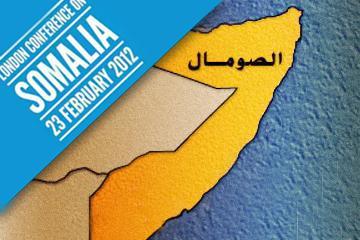
بعد عشرين عاما من عدم الاهتمام البريطاني الجدي بالصومال منذ انهيار حكومتها المركزية 1991، أعلنت حكومة رئيس الوزراء البريطاني عزمها عقدَ مؤتمر خاص بالصومال في لندن في 23 من فبراير/ شباط 2012، وحشدت جميع طاقاتها الدبلوماسية دوليا وإقليميا لإقناع دول العالم المهتمة بالصومال للمشاركة الفعالة في المؤتمر، الذي قالت إنه يهدف إلى توحيد الجهود لمواجهة الخطر الذي تشكله قضية الصومال وتداعياتها الأمنية والسياسية على القرن الإفريقي والعالم وبريطانيا بالتحديد على حد سواء.
ويتساءل المراقبون والمتابعون للشأن الصومالي عن السبب وراء هذا الاهتمام المفاجئ بالقضية المنسية، والتي كانت لا تبرح الأدراج المهملة عدا المتابعة عن بعد والدعم الإغاثي الخجول عبر المنظمات الدولية، رغم أن في بريطانيا نفسها توجد أكبر جالية صومالية في القارة الأوروبية.
وتتفاوت التفسيرات حول هذا الأمر كل من منطلقه الخاص، كما تختلف مواقف الأطراف الصومالية والدولية والإقليمية في تعاطيها مع هذا المؤتمر وتختلف في تأييدها أو تأييده أو التخوف منه أو ممارسة الحذر الدبلوماسي معه. ويجزم العديد من المراقبين أن وراء الأكمة ما وراءها، وأن المؤتمر ليس لزرقة عيون الصوماليين بل لأغراض أخرى ليس لها علاقة بالصومال والصوماليين، إن لم تكن ضد أهدافهم الوطنية.
بريطانيا والصومال.. خلفية تاريخية
تاريخيا استعمرت بريطانيا القسم الشمالي من الصومال والذي كان يعرف بـ”الصومال البريطاني” وتحرر هذا القسم في 26 يونيو / حزيران 1960 ليشكل مع القسم الجنوبي الذي تحرر في 1 يوليو من نفس العام ما سمي بجمهورية الصومال.
وتعتبر التركة الاستعمارية التي خلفها الاستعمار البريطاني والإيطالي معا إحدى جذور الأزمة الصومالية الراهنة، حيث ساعدت إيطاليا إثيوبيا في غزوها لإمارة هرر الإسلامية والاستيلاء عليها في 26 يناير/ كانون الثاني 1887. ووهبت بريطانيا منطقة الأوغادين إلى إثيوبيا عام 1889 بعد اشتراكها في إخماد الثورة المهدية في السودان، كما ضمت إثيوبيا أيضا الأراضي المحجوزة ومنطقة هرر وأكدت بريطانيا رضاءها بذلك في معاهدة 1897 التي بموجبها تم تعيين الحدود بين الصومال البريطاني وبين إثيوبيا. كما قامت بريطانيا بضم منطقة “أنفدي” المنطقة الشمالية الحدودية إلى كينيا، والتي تشكل نصف مساحة كينيا المعروفة اليوم تقريبا في الستينات.
وتعتبر الأزمة التي تمر بها الصومال منذ الاستقلال حتى هذه اللحظة -في جانب منها- امتدادا للصراع على الحدود بين الصومال وإثيوبيا والصومال وكينيا اللتين يعتبرهما الصوماليون محتلتين لأراض صومالية وتسعيان إلى تقويض أي حل لإعادة الكيان الصومالي إلى الوجود من جديد منذ انهياره عام 1991.
كما تعتبر بريطانيا وإيطاليا من الدول الأوربية العارفة بخفايا الأمور في الصومال لكونهما درستا المجتمع الصومالي دراسة مستفيضة ونشرت مراكزهما الكثير من البحوث والكتب حول الصومال في شتى مراحله منذ الرواد الأوائل للاستعمار حتى اللحظة الراهنة التي لم تتوقف فيها الدولتان عن المتابعة والدراسة الحثيثة لكل ما يحدث في الصومال رغم الإعراض السياسي عن الخوض بجدية في حل أزمتها.
أهداف المؤتمر.. المعلن منها وغير المعلن
يتساءل العديد من المراقبين حول توقيت المؤتمر ولماذا جاء بعد واحد وعشرين عاما من الإهمال السياسي المتعمد، وترك القضية برمتها لدول الجوار؟ ولماذا الآن بالذات؟
الأهداف المعلنة للمؤتمر
تقول الحكومة البريطانية إنه بعد فشل جميع الجهود التي بذلتها منظمات دولية وإقليمية ودول من المجتمع الدولي فإن الوضع في الصومال ما زال يتدهور، ولذا فإنه يحتاج إلى جهد دولي لإحداث التغيير من المجتمع الدولي ومن الزعماء السياسيين الصوماليين ورؤساء الإدارات الفيدرالية والذاتية.
ولهذا فقد دعت لمؤتمر في 23 من فبراير 2012، وسيشارك فيه ممثلون رفيعو المستوى من أكثر من 40 حكومة ومنظمة متعددة الأطراف من الشركاء الذين لديهم مصلحة أساسية في الصومال، بهدف تقديم مقاربة دولية جديدة للصومال، ومناقشة كيف يمكن للمجتمع الدولي متابعة جهوده لمعالجة الأسباب الجذرية للأزمة الصومالية والآثار المترتبة عليها إقليميا ودوليا.
وقد حددت سبعة محاور على أمل أن يتفق المجتمع الدولي على سلسلة من التدابير العملية حولها وهي:
الأمن: إيجاد التمويل المستدام لبعثة الاتحاد الإفريقي في الصومال (أميصوم)، ودعم قطاعي الأمن والعدالة في الصومال.
العملية السياسية: الاتفاق على من سيخلف المؤسسات الانتقالية في مقديشو في أغسطس/ آب 2012، وإنشاء مجلس للإدارة المالية المشتركة.
الاستقرار المحلي: إنشاء مجموعة دولية منسقة لدعم الصومال والمناطق الإدارية الصومالية.
مكافحة الإرهاب: التزام متجدد للتصدي بشكل جماعي للتهديد الإرهابي القادم من الصومال.
القرصنة: كسر نموذج التجارة المعتمدة على القرصنة.
الإنسانية: تجديد الالتزام بمعالجة الوضع الإنساني.
التنسيق الدولي: الاتفاق بشأن التعامل الدولي مع القضايا الصومالية.
وتعرف الحكومة البريطانية أن هذه القضايا المعقدة لا يمكن حلها بين عشية وضحاها. لذا ستكون بحاجة لبناء ودعم عمل الأمم المتحدة، والاتحاد الإفريقي والمنظمات غير الحكومية والدور الحيوي للمجتمع المدني في الصومال.
ومن الجهات المدعوة للمؤتمر الأمم المتحدة والاتحاد الإفريقي والاتحاد الأوروبي والبنك الدولي، والهيئة الحكومية للتنمية، ومنظمة المؤتمر الإسلامي، وجامعة الدول العربية. وممثلون للمؤسسات الصومالية الانتقالية، ورؤساء جمهورية صوماليلاند وبونتلاند وجلمدغ وتنظيم أهل السنة والجماعة.
ما وراء المعلن
لقد اقتنعت الحكومة البريطانية أن الصومال يمثل خطرا على الأمن، ليس فقط لبريطانيا بل للمجتمع الدولي، كما يتضح من تزايد التطرف والقرصنة في الصومال. فلندن تنظر إلى حركة الشباب، وهي جماعة مدرجة على قائمة الجماعات الإرهابية، أنها تمثل مصدر قلق أمني متزايد بسبب وجود الجالية الصومالية الكبيرة في إنجلترا. ويشاركها هذا القلق دول أخرى مثل كندا والولايات المتحدة، وغيرها في أوروبا وإفريقيا. وبالمثل، فإن التهديد المتنامي للقرصنة في الصومال يؤثر على العديد من الدول في جميع أنحاء العالم.
وعلاوة على ذلك، فإن المجاعة المتكررة وغيرها من الاحتياجات الإنسانية في الصومال تمثل تحديات لا تقل أهمية. وبالإضافة إلى ذلك فإن مما يعقد هذه الأمور ضعف المؤسسات والبيئة السياسية المعقدة في الصومال.
هذا كله مفهوم، إلا أن هذا الهدف المعلن من تحسس الخطر الأمني الذي يشكله الصومال على بريطانيا وللمجتمع الدولي صاحبته أمور أخرى وجب التنبه لها، ومنها أن هناك صراعا على الثروة النفطية التي برزت في الصومال والتي بسببها أبرمت عدة دول اتفاقيات مع إدارات إقليمية في الصومال للتنقيب عن النفط وباشرت فعلا في ذلك. وتقدر العائدات النفطية المعلنة رسميا لمنطقة بونتلاند فقط، والتي تقوم بها شركة أسترالية للتنقيب عن البترول 1.9 تريليون دولار أمريكي، بالإضافة إلى مناطق عديدة في الصومال تأكد وجود النفط واليورانيوم فيها.
ويعود تاريخ إجراء الكشوفات البترولية في الصومال إلى ثمانينيات القرن الماضي؛ حيث تعاقدت حكومة سياد بري مع شركات أمريكية منها: شركة كونوكو، وشيفرون، وأميكو، وشركة فيلبس قبل اندماجها مع شركة كونوكو في عام 2002. ولكن عند اندلاع الحرب الأهلية تم سد منافذ الكثير من الآبار المكتشفة الغنية بالنفط، كما تم التمويه على الكثير منها، وحفظت خرائط مفصلة عنها إلى حين العودة مرة أخرى في ظل نظام موال، كما يقول أحد العارفين، وتشهد الصومال حاليا تكالبا عليها من قبل الدول الصاعدة كتركيا والهند والصين وجنوب إفريقيا.
كما أبرمت الشركات الفرنسية اتفاقات مع كينيا للتنقيب عن النفط داخل الحدود البحرية الصومالية، وهو سبب محاولة كينيا الاستيلاء على منطقة جوبا والتي دخلتها منذ أكتوبر/ تشرين الأول 2011، بحجة محاربة الإرهاب في الصومال. كما أن عددا من الصوماليين يرى أن الاهتمام المفاجئ لتركيا بالصومال من ورائه أسباب إستراتيجية لا يخلو منها موضوع النفط، وهذا كله أسال لعاب الحكومة البريطانية للحصول على حصتها من هذا الكنز حالا وتكون هي الممسكة بخيوط الموضوع.
أما السبب الثاني الذي يعزى إليه الاهتمام المفاجئ لبريطانيا في المسألة الصومالية فهو دخول تركيا على الخط في المسألة الصومالية بكل ثقلها عبر البوابة الإغاثية والإنسانية وتقود تنمية فريدة من نوعها اكتسبت ثقة المجتمع الصومالي وتسعى إلى التأثير السياسي بمقاربة لم تعهد من قبل مما أثار مخاوف الكثير من دول الجوار والدول الكبرى.
ومن جانب ثالث تزامنت الدعوة إلى هذا المؤتمر مع تحولات تشهدها الساحة الصومالية تعتبر في جانب منها إيجابية وأخرى تعتبر سلبية وتنذر بعواقب وخيمة.
اللاعب التركي ودخوله القوي
شهدت الصومال خلال العام الماضي أكبر مجاعة خلال الـ60 عامًا الأخيرة هرعت لها الدول والمنظمات الإسلامية التي لعبت دورا بارزا في مواجهة المجاعة؛ ولولاها لكانت الكارثة أكبر بكثير مما كانت عليه. وقامت الحكومة التركية بقيادة رجب طيب أردوغان بنصيب الأسد في ذلك. ولم يكتف أردوغان بتقديم المساعدة الإغاثية فقط بل قاد حملة دولية وإسلامية لإنقاذ الصومال. كما فتح أردوغان موسم الزيارات الرفيعة المستوى إلى الصومال، فما إن أعلن نيته زيارة الصومال حتى استبقه إليها الرئيس الجيبوتي إسماعيل عمر جيلي في 17 أغسطس/ آب 2011 التي لم تلق الكثير من الاهتمام والتي قال إنها تهدف إلى لفت أنظار العالم إلى المجاعة في الصومال. وبعد يومين جازف أردوغان بزيارة العاصمة التي تشهد قتالا دائما بين “الشباب” وقوات الاتحاد الإفريقي المعززة للقوات الحكومية الضعيفة، وكان ذلك في 19 أغسطس/ آب 2011 وبرفقته زوجته وأولاده. كما جاء معه بوفد كبير من الوزراء ونواب من البرلمان وكبار رجالات الدولة التركية، للفت أنظار العالم إلى حجم الكارثة ولإظهار التضامن والتعاطف مع الشعب الصومالي، وكان أول وفد رفيع المستوى من نوعه وأول رئيس وزراء يزور الصومال منذ 20 عاما.
ومن مقديشو ألقى أردوغان خطابه التاريخي الذي لن ينساه الصوماليون حيث أعلن حبه لهم وشنع على الحضارة الغربية التي قال إن مأساة الصومال اختبار حقيقي للقيم التي تتغنى بها، ووجه كلامه إلى الدول الغربية قائلا: “هذه فرصتكم لتثبتوا أن حضارتكم ليست مجرد كلمات فارغة”.
وأعلن أردوغان إعادة افتتاح السفارة التركية في مقديشو، ووجودا دائما لمؤسسات العون التركية في الصومال لتقديم المساعدات التركية إلى المتضررين من الجفاف والمجاعة، وتعهد بإنشاء عدد من الشوارع في العاصمة مقديشو.
كما تابع أردوغان قضية الصومال في الأمم المتحدة إلى أن وقف على منصتها في 22 سبتمبر/ أيلول 2011 ليعرض قضية الصومال قائلا: “شعب الصومال يسير الآن في اتجاه الموت أمام أعين المجتمع الدولي الذي يشاهد الصومال كأنه يشاهد فيلماً من دون ردة فعل. علينا أن نتعامل مع هذه الصورة التي تشكل اختباراً للإنسانية”. وشدد أردوغان “أقولها بصراحة، لا يمكن لأحد أن يتحدث عن السلام، العدالة والحضارة في العالم إلا إذا سمع صوت الصومال. لا يمكن للكلمات أن تصف الألم في الصومال”.
ثم توالت المشاريع العملاقة التي قادتها الكتيبة التي تركها أردوغان في الصومال، من بينها بناء مدارس وحفر الآبار، وبناء ستة مستشفيات كبرى تسع ألفا وخمسمائة سرير، وستة مستشفيات متوسطة الحجم، ومساعدات نقدية أخرى لم يعلن عن تفاصيلها. كما أنه تقرر رصف الطريق بين المطار ومركز مقديشو، وتوفير عربات نقل القمامة لتنظيف المدينة ومحرقة للتخلص من النفايات. وعلاوة على ذلك، فإن الشعب التركي انطلاقا من روح التضامن مع الشعب الصومالي، قد جمع بسخاء تبرعات يصل مقدارها 280 مليون دولار، لدعم جهود الإغاثة في الصومال، لتمكين البلاد من التغلب على هذه الكارثة.
وقد فتحت زيارة الزعيم التركي الباب أمام زيارات أخرى توالت على الصومال من شخصيات عالمية مرموقة ومسؤولين دوليين، ومن بينها الزيارة الإنسانية التي قام بها د. سلطان بن خليفة بن زايد آل نهيان مستشار رئيس دولة الإمارات العربية المتحدة للصومال في 19 أغسطس/ آب 2011، والزيارة التي قام بها رجل الأعمال السعودي الأمير الوليد بن طلال مع وفد من التجار السعوديين في 27 أغسطس/ آب 2011، وكذلك الزيارة غير المسبوقة التي قام بها الأمين العام للأمم المتحدة بان كي مون والوفد المرافق له في 9 ديسمبر/ كانون الأول 2011، وآخرها زيارة وزير خارجية بريطانيا وليام هيغ المفاجئة في 2 فبراير/ شباط 2012. وكل هذه الزيارات المتوالية ولا سيما تلك التي قام بها الأمين العام للأمم المتحدة ودعا فيها إلى نقل مكاتب المنظمات الدولية إلى العاصمة مقديشو، كانت تحمل في طياتها رسالة مفادها بأن الأمن في العاصمة الصومالية مقديشو قد تحسن ويمكن لجميع البلدان فتح سفاراتها في البلاد.
تراجع حركة الشباب المجاهدين
من جانب آخر شهدت الحركة المتشددة المناوئة للحكومة الصومالية تراجعا في انتصاراتها العسكرية مما جعلها تنسحب من العاصمة حتى من مناطق نفوذها التقليدية بعد ضربات موجعة تلقتها من قوات الاتحاد الإفريقي والقوات الحكومية مما جعل هذه الزيارات ممكنة وأيضا جعل العاصمة كلها تحت سيطرة الحكومة الصومالية.
وقد لوحظ أن الولايات المتحدة الأمريكية ترغب في التركيز على الصومال في محاربتها للإرهاب بعد اكتمال انسحابها من العراق حسبما أعلنه وزير الدفاع الأمريكي من أكبر قاعدة أمريكية بمنطقة القرن الإفريقي في جيبوتي.
كينيا وإثيوبيا… التدخل العسكري المزدوج
تمثل التدخل العسكري المزدوج في إرسال دول الجوار (كينيا وإثيوبيا) قوات عسكرية إلى المناطق الصومالية المتاخمة لحدودها في وسط وجنوب البلاد لمواجهة ما سموه الجماعة الإرهابية المتمثلة بحركة الشباب والتي رأوا فيها خطرا محدقا على أمنهم، وهي التي تسيطر على أكثر من ثلثي جنوب ووسط الصومال.
اجتاحت القوات الكينية مدنا وقرى ساحلية قرب الحدود بين البلدين، كما قصفت طائراتها الحربية قرى ومدنا أخرى في الداخل الصومالي كان معظم ضحاياها من المدنيين الصوماليين وسط بيانات المنظمات الحقوقية العالمية مثل منظمة العفو الدولية التي طالبت بوقف انتهاكات الحكومة الكينية لحقوق المدنيين الصوماليين.
كما استولت وحدات من القوات الإثيوبية ترافقها قوات من الحكومة الانتقالية على مدينة بلدوين وسط البلاد، والتي كانت خاضعة لحكم حركة الشباب المجاهدين. ورأى الكثير من الوطنيين الصوماليين الذين يحملون إرثا من الحساسية التاريخية تجاه الدولتين الإفريقيتين بأنهما تنفذان أجندة خاصة بهما وإنما تتخذان من حركة الشباب “مسمار جحا” لتنفذا من خلالها أهدافهما.
تغيرات في المشهد السياسي
في المشهد السياسي الصومالي تبدو خارطة التجاذبات بين الأطراف السياسية داخل الحكومة الانتقالية والمؤامرات لإخضاع الخصم شديدة بعد الاتفاق في كمبالا منتصف العام الماضي 2011 على التمديد لمؤسسات الحكومة الانتقالية عاما واحدا ينتهي في أغسطس/ آب 2012.
في أواسط ديسمبر/ كانون الأول 2011، أعلن نواب من البرلمان الانتقالي إقالة رئيس البرلمان شريف حسن شيخ آدم خلال غيابه عن الوطن فرفض الامتثال للأمر بعد عودته واصفا الخطوة بغير القانونية وبمخالفة الدستور واللوائح البرلمانية. واعتبر الكثيرون ذلك من تدبير الرئيس شريف شيخ أحمد الذي يريد إزاحة منافسه من منطقة قوته.
في سبتمبر/ أيلول 2011 عقدت الأمم المتحدة مؤتمرا تشاوريا في مدينة جروي عاصمة إقليم بونتلاند ولم يدع إليه رئيس البرلمان بينما شارك فيه الشيخ شريف ورئيس وزرائه لوضع خارطة طريق لكيفية مواجهة الاستحقاق الذي ستواجهه مؤسسات الحكومة الانتقالية في أغسطس/ آب 2012 حيث ستنتهي دستوريا، ووضع خطوط عريضة تتفق عليها الأطراف المشاركة لمن سيخلف هذه الحكومة.
وقد شارك في المؤتمر الحكومة الانتقالية وتنظيم أهل السنة والجماعة وإدارة ولاية بونتلاند. واتفق المشاركون مبدئيا في الجولة الأولى على تحقيق الأمن والاستقرار، وتعزيز المصالحة الوطنية، وكتابة الدستور، وممارسة الحكم الرشيد. ثم اجتمعوا في جولة ثانية في 22-24 ديسمبر/ كانون الأول 2011 واتفقوا على ما سمي بـ ”مبادئ جروي“ وهي انتهاء فترة الحكومة الانتقالية الحالية في الوقت المحدد لها، وحل البرلمان الحالي، وتشكيل برلمان جديد على أسس قبلية، تشكل حكومة انتقالية جديدة تنتهي دورتها في 2016.
يرى الكثير من المراقبين أن هذا المؤتمر شكل استجابة لرغبات المانحين الدوليين الذين ينفذون أجنداتهم عبر الأمم المتحدة والقوى المسيطرة حاليا على الحكم في الحكومة الانتقالية وبونتلاند وتنظيم أهل السنة والجماعة، وأن هذه الأجندات تعيد إنتاج نفسها ولا تحل الأزمة الصومالية.
التطور الآخر والمهم جدا هو اندلاع معارك طاحنة داخل ما يسمى بجمهورية أرض الصومال والتي نعمت بالاستقرار مدة بين حكومة أرض الصومال وثلاثة أقاليم أعلنت رغبتها في العودة إلى الوطن الأم (جمهورية الصومال) وإعلان ولاية أو حكومة “خاتمو” ولا تزال المعارك جارية بينهما في محاولة لثني هذه الأقاليم عن خطوتها التي ستشكل خطرا على كيان أرض الصومال الذي يقوم على شرعية الحدود الاستعمارية للصومال البريطاني، وأنها لم تستطع استيعاب القبائل التي لا تنتمي لقبيلة إسحاق داخل نظام الدولة، مما يؤشر أن المشكل القبلي في كل مكان في الصومال ولا يمكن استثناء منطقة دون أخرى من هذا الداء.
تطور في المشهد التنموي
شهدت الصومال في الفترة الأخيرة منذ دخول العملاق التركي فيها إطلاق مشاريع كبيرة بعضها تم تنفيذها وبعضها في طور التنفيذ وتجري على قدم وساق ومنها على سبيل المثال، استكمال تشييد قرية “قطر” للنازحين في العاصمة مقديشو التي نفذتها مؤسسة قطر الخيرية وتتسع لألف أسرة صومالية، تضم مراكز للعبادة والتعليم ومستوصفا لعلاج مرضى القرية وصرف الأدوية، وملعبا رياضيا.
وفي نهاية شهر نوفمبر/ تشرين الثاني 2011 زار مقديشو وللمرة الثانية، وفد رفيع المستوى من الحكومة التركية برئاسة نائب رئيس الوزراء التركي بكير بوزداغ لإعلان بدء أو انتهاء مشاريع إنمائية في البلاد.
ومن هذه المشاريع المنح التعليمية التي وفرتها تركيا بسخاء في مختلف المجالات ولا سيما العلمية منها لعشرات من الشباب الصومالي الذين غادروا الصومال على متن الخطوط التركية إلى تركيا والتحقوا بجامعاتهم. ومنها مشروع المدرسة التركية النموذجية التي افتتحت في مقديشو، ومشروع توسعة وتجهيز مطار العاصمة مقديشو الذي يجري العمل فيه، وبناء المستشفيات الخاصة للأطفال والنساء، ومشروع الطريق السريع الذي يربط المطار بالقصر الرئاسي، ومشروع بلدية اسطنبول لحل مشكلة القمامة في العاصمة مقديشو، ومشروع مدّ العاصمة مقديشو بالمياه النظيفة.
مؤتمر لندن بين الاستجابة والرفض
أبدت معظم الأطراف الصومالية التي دعيت إلى مؤتمر لندن استعدادها للمشاركة ولم يتردد منها سوى جمهورية “أرض الصومال” التي أعلنت انفصالها عن الصومال من جانب واحد الذي تطلب موافقتها إلغاء الحظر القانوني على مشاركتها في المؤتمرات الدولية التي تعقد للصومال. وقد وافق 101 نائباً على هذا التغيير خلال جلسة 5 فبراير/ شباط 2012 المشتركة لمجلسي البرلمان في هرجيسا، بينما صوت ثلاثة أعضاء ضد هذا القرار. ثم أعلن وزير خارجيتها محمد عبد الله عمر أن حكومة بلاده ستشارك في المؤتمر واصفا المؤتمر بأنه فرصة لـ “جمهورية أرض الصومال” لإيضاح وجهة نظرها وقضيتها أمام الأسرة الدولية، مشيرا إلى أن أحزاب المعارضة وقيادات المجتمع المدني وافقت على قبول المشاركة في المؤتمر بعد مشاورات معه وأنه يمثل فرصة لا تعوض.
ويعزى إعلان مشاركة أرض الصومال للمؤتمر وتغييرها هذا الحظر إلى أن الدولة الداعية لهذا المؤتمر هي حليفها الاستراتيجي الذي يدعمها سياسيا في مشروعها للانفصال عن الصومال كما يعتبر من أكبر داعميها اقتصاديا إذ تخصص بريطانيا 40% من مساعداتها للصومال لـ”أرض الصومال”، وهي إن رفضت المشاركة بعد أن تم توجيه الدعوة إليها ستخسره وربما إلى الأبد. لذا فضلت المشاركة وإعلان قضيتها أمام المشاركين في المؤتمر والذي يعقد تحتضنه وتدعو إليه دولة تعرف قضيتها أكثر من أي دولة أخرى.
ويخشى صوماليون من المعارضين لانفصال الشمال أن تسعى بريطانيا من خلال كواليس المؤتمر إلى تسويق أحقية أرض الصومال على الانفصال لما حققته من استقرار نسبي وتنمية وديمقراطية.
أما الحكومة الانتقالية، فقد أعلنت أنها ستشارك في المؤتمر وذلك بعد الزيارة التاريخية التي قام بها وزير الخارجية البريطاني ويليام هيغ إلى العاصمة الصومالية مقديشو على رأس وفد بريطاني رفيع المستوى، مصطحبا معه أول سفير بريطاني للصومال منذ انهيار الحكومة المركزية للصومال قبل 20 عاما، الذي قدم أوراق اعتماده كسفير للرئيس الصومالي.
وفيما بعد عبر رئيس الوزراء الصومالي عبد الوالي محمد علي غاس عن أمله في أن يثمر مؤتمر لندن الخاص ببلاده، عن “خطة مارشال” لإنهاء عقدين من الفوضى.
كما أعلنت كل من ولاية بونتلاند وجلمدغ وتنظيم أهل السنة والجماعة موافقتها بالمشاركة في المؤتمر بوفود رفيعة من قياداتها.
وعلى هذا فلا يوجد في الصومال أحد من الأطراف المدعوة للمؤتمر أعلن رفضه للمشاركة بل هناك تهافت من قبل بعض الولايات المعلنة والتي لم تدع إلى المؤتمر وتبعث برسائل تحتج على تجاهلها!
أما حركة الشباب المجاهدين فإنها لم تدع إلى المؤتمر وأعلنت رفضها مسبقا لكل ما سيتمخض عن ذلك المؤتمر، واستبقت ذلك بإعلان انضمامها رسميا إلى القاعدة بعد أن كانت تحمل فكرها وتواليها.
وأما الدول الأخرى غير الصومال فقد تأكدت مشاركتها في المؤتمر وبعض الدول العربية الخليجية يقال إنها تمول المؤتمر.
مخاوف المشاركين من الجانبين الأجنبي والصومالي
على الرغم من إعلان معظم المدعوين استعدادهم للمشاركة إلا أن كل الأطراف تتوجس من الأجندة غير المعلنة للمؤتمر كل بحسب مصالحه، بدءا من الأطراف الصومالية، وانتهاء بالدول الكبرى.
فالحكومة الصومالية الانتقالية، ولا سيما مؤسسة الرئاسة، تخشى من أن لا تتمكن من الرجوع من الباب الخلفي حسبما هو مخطط لها للحكم مرة أخرى والاستئثار بفترة 4 سنوات القادمة والتي أقرت في مؤتمر جروي. وجمهورية أرض الصومال تتخوف من أن تكون مشاركتها ومساواتها بالولايات والأقاليم الأخرى داخل الصومال وعدم معاملتها كدولة من قبل راعيتها الأولى في المؤتمر إيذانا بانتهاء هذه الرعاية وإدخالها في خضم المشاكل المستعصية لجنوب الصومال.
أما على مستوى الدول فقد نشرت مواقع وصحف صومالية أن إيطاليا التي ترى نفسها أحق بالاستئثار بملف الصومال في أوروبا، لكونها الدولة التي استعمرت الصومال واختارها الصوماليون لفترة الوصاية، تسعى بالتعاون مع مصر لإفشال المؤتمر، بالرغم من أن كليهما سيحضران المؤتمر.
كما تخشى فرنسا من أن تفقد ما حققته من خلال دعمها العسكري للقوات الكينية في جنوب الصومال لدحر حركة الشباب وإنشاء كيان شبه مستقل تحت الحماية الكينية في منطقة عزانيا، والتي تنوي فرنسا أن يؤمن لها تلك المعاهدات الخاصة التي أبرمتها شركة “توتال” الفرنسية مع كينيا للتنقيب عن النفط في منطقة الجرف القاري التابع للصومال، كما تطمح كينيا إلى أن تضمها إلى كيانها.
أما منظمة التعاون الإسلامي -التي تقودها تركيا حاليا- فإنها تستبق المؤتمر بعقد اجتماع مشترك في لندن في 20 من فبراير/ شباط 2012 يشارك فيه مكتب تنسيق الشؤون الإنسانية للأمم المتحدة، ومنظمة التعاون الإسلامي، والمنتدى الإنساني، ويجمع ما يصل إلى 90 من المنظمات الإنسانية الرائدة من أكثر من 20 دولة مانحة مسلمة، والدول الغربية، والنظام المتعدد الأطراف، والصومال.
ويحمل المؤتمر شعار “الإنسانية قبل السياسة” والذي يأتي من الاعتقاد بأن صوت المحتاجين لم يسمع بعد، وأن تلبية الاحتياجات الإنسانية والتنموية في الصومال يجب أن تكون على رأس أي أجندة للتغيير، بحسب ما أعلنه المنظمون.
أما الجامعة العربية فقد تحدثت لأول مرة عن مؤتمر في 9 فبراير/ شباط 2012 وذكرت أنها تعقد لقاء خاصا حول الصومال، وحول مؤتمر لندن الذي قالت إنه ذو أهمية وتأثير.
وذكر بيان صدر عن مقر الجامعة في القاهرة أن الجامعة تعقد لقاء استثنائيا عن قضايا الصومال، وخاصة عن المؤتمر الذي نادت به بريطانيا للصوماليين.
وذكر فيه أن اللقاء العربي الذي سيعقد قبل أربعة أيام عن الوقت المعلن للمؤتمر في التاسع عشر من فبراير 2012 سيناقش فيه بعمق الوضع الراهن في الصومال، والمؤتمر الصومالي المزمع انعقاده في بريطانيا، وأنها ستتخذ موقفا موحدا عن هذا المؤتمر.
ولا يعلم رسميا عن توجه مؤتمر الجامعة، ولا عن تأثيره بأجندات مؤتمر لندن حول الصومال، ولكن من غير المرجح أن يأتي معارضا، إذ أن الدول العربية المدعوة للمؤتمر أعلنت مشاركتها للمؤتمر قبل انتظار ما ستعلنه الجامعة.
ويتخوف معظم الصوماليين من أن يكون المؤتمر تكريسا للعقلية الاستعمارية الأوروبية الجديدة في القرن 21 حيث لم يتم التشاور أبدا مع الصوماليين حول طبيعة ونطاق ونوايا المؤتمر.
ويتساءلون “كيف يمكن أن تنظم بريطانيا مؤتمرا للتضامن مع الشعب الصومالي الذين يتوقون لمعالجة المشاكل السياسية والاجتماعية والاقتصادية، وفي الوقت نفسه تستمر في دعم جرائم الحرب التي ارتكبت بشكل مستمر من قبل إثيوبيا وكينيا التي انضمت مؤخرا إلى ممارسة التدخل العسكري في الصومال؟”
وفيما يلي التفسير الذي أعطاه أحد الكتاب الصوماليين لما أعلن عن محاور للمؤتمر:
الأمن: يعني عدم وجود قوات أمن وطني مسؤولة ومهنية تخضع حصريا لحكومة وطنية شرعية، وبدلا من ذلك فرض جلب مزيد من القوات الأجنبية للصومال تكون الحكومة الصومالية أسيرة لها.
العملية السياسية: يعني استمرار وسائل الحكومة الانتقالية وجعلها الصورة النموذجية لمؤسسات الحكم، وإدارات أو حكومات مناطقية قائمة على العشائرية، والفساد، والتدخل الإثيوبي في الصومال، خارطة طريق مخادعة.
الاستقرار المحلي: يعني التوسع في سياسة المسار المزدوج الذي يعجل بتفتيت الصومال والصراع من أجل المنافسة على الموارد والسلطة.
مكافحة الإرهاب: يعني انعدام وسائل الأمن، وفقدان الكرامة والحرية والموت للأبرياء في مطاردة الإرهابيين، وحرمان الصوماليين من دخل التحويلات الخارجية والحرمان من المساعدات الإنسانية، بالإضافة إلى فرض حظر قاس على الشباب وبسببه يتم الضغط على البنوك لوقف عمليات نقل الأموال إلى الصومال لمكافحة الإرهاب.
القرصنة: يعني تقييد استخدام المياه الإقليمية الصومالية والموارد البحرية، وفرض منطقة اقتصادية خالصة، واستمرار عمليات الصيد غير القانونية وإلقاء النفايات السامة.
الإنسانية: يعني تكثيف هجرة السكان في الصومال الحالي عن طريق زيادة اللاجئين والسكان المشردين والمعوزين بسبب التدخلات العسكرية واسعة النطاق والإجراءات في الصومال.
التنسيق الدولي: يعني زيادة الدعم للاستقطاب والتفكيك والانقسام في الصومال بدلا من زيادة الدعم للصومال ودفعه نحو السلام والمصالحة وبناء الأمة.
كما يخشى الصوماليون أن يكون هدف هذا المؤتمر إعادة الوصاية على الصومال بطريقة القرن 21 وليس بطريقة القرن الماضي فتحكم الصومال من قبل المنظمات الدولية وهذا ما دعت إليه الحكومة الإيطالية صراحة واستبقت به المؤتمر وهو ما نشر خلال زيارة رئيس الوزراء الصومالي وتدعو إلى فرض وصاية دولية على الصومال على غرار ما فعلته الأمم المتحدة في العراق. ولا يدرى هل أرادت بذلك إحراج المؤتمر أم جس النبض، وهو الأمر الذي أثار معظم النخبة الصومالية والشعب الصومالي على حد سواء.
وقد عقد المعهد الملكي للشؤون الدولية (تشاتهام هاوس) البريطاني مؤتمرا تشاوريا في 8 من فبراير/ شباط 2012 مع نخبة من الخبراء والناشطين الصوماليين في بريطانيا، وكان المؤتمر على فترتين؛ الفترة الصباحية كانت مغلقة في غرفة صغيرة مع ثلة من الخبراء وعقدت تحت القاعدة المعروفة بـ”قاعدة تشاتهام هاوس” التي تتيح استخدام المعلومات ولا تسمح بنسبتها إلى قائلها حتى يتحدث الناس بأريحية دون الإحساس بالمحاسبة على الكلام، والفترة المسائية كانت مع عدد أكبر وفي قاعة كبيرة -وكان كاتب هذه السطور من المشاركين في الفترتين المسائية والصباحية- ، قالت الحكومة البريطانية إنها أرادت استشارة الصوماليين المغتربين في بريطانيا في المحاور التي حددتها للمؤتمر، وشارك فيه وزراء ومسؤولون حكوميون استمعوا خلالها إلى الصوماليين. وقد أبدى بعضهم صراحة مخاوفهم، واستمع إليهم المسؤولون البريطانيون ولكن من غير المؤكد أن يؤخذ برأيهم.
ما هو المتوقع من هذا المؤتمر؟
لقد خلق الإعلان عن هذا المؤتمر زخما كبيرا للشأن الصومالي على جميع المستويات، وسيستمر هذا الزخم إلى ما بعد المؤتمر ولكن التوقعات ليست كبيرة، ويخشى الكثيرون أن يصبح إضافة جديدة إلى المؤتمرات العديدة التي تجاوزت سني عمر الأزمة والتي عقدت حول الصومال ثم كانت عديمة الفائدة وعقدت المسألة أكثر فأكثر.
ويتأكد ذلك إذا لم تغير آلية معالجة القضية الصومالية والبناء على الصيغ السابقة للمعالجة التي اعتمدت على المحاصصة القبلية والفيدرالية والإدارات المناطقية شبه المستقلة والتي تعتمد العشائرية، التي تحمل عوامل انهيارها من داخلها بل هي معالجات أثبتت فشلها في السابق ولا يمكن أن تأتي بنتيجة مختلفة هذه المرة.
ولقد تأكد لدى الكثيرين من المشاركين في المؤتمر التشاوري في مشاورات “تشاتهام هاوس” أن بريطانيا لا تسعى إلى تغيير المعالجة بقدر ما تسعى إلى التحكم في القضية وهي مهتمة بحل ما يهمها مما يشكل خطرا عليها من ما تسميه الإرهاب والقرصنة أكثر مما تقدم معالجة جديدة للمشكلة.
ويؤكد المتشائمون من المؤتمر أنه سيزيد تقسيم الصومال لأنه سيعتمد على المحاصصة القبلية للمناصب السياسية وهي الصيغة التي أكدت فشلها منذ اعتمادها في مؤتمر عرته بجيبوتي عام 2000.
كما سيعتمد ”المسار المزدوج“ الذي يعني أن يتم دعم الإدارات المناطقية المعتمدة على العشائرية بطريقة مستقلة عن الحكومة الصومالية في مسار، ويتم عقد الاتفاقات والصفقات الدولية معها دون الرجوع إلى الحكومة مما يسهل على الدول الكبرى ممارسة النهب بطريقة قانونية، وفي المسار الآخر دعم الحكومة الانتقالية في المجالات الأمنية والسياسية والاقتصادية من خلال المنظمات الدولية، وهذا يجعل الحكومة غير مسؤولة أمام شعبها بقدر ما هي ملزمة باتباع ما يملى عليها من هذه المنظمات.
وهذا بدوره سيؤدي إلى تفتيت الصومال إلى كيانات صغيرة مستقلة عن بعضها إلا اسما ولا تحكم من الحكومة المركزية، وهو ما كانت تسعى إليه إثيوبيا وكينيا ومعظم الدول الغربية بما فيها بريطانيا.
أصبح من شبه المؤكد أن أقصى ما سيصدر من المؤتمر أن يعلن عن انتهاء المرحلة الانتقالية والدعوة إلى تشكيل حكومة موحدة تعتمد التمثيل القبلي والعشائري، وإنشاء هيئة دولية تشرف على عملية الانتقال السياسي في الصومال بعد أغسطس/ آب 2012، والدعوة إلى زيادة دعم قوات الاتحاد الإفريقي وإرسال مزيد من القوات الأجنبية لتنتشر جنوب ووسط الصومال، ثم تستكمل بإنشاء صندوق مالي لدعم الصومال يكون تحت إدارة دولية موحدة من الدول المانحة، وهذا كله سيؤدي في النهاية إلى فرض وصاية غير مباشرة على الصومال يمكن أن تمنع الدول للحيلولة دون أطماع الدول الأخرى في المشاركة في إعادة إعمار الصومال.
وعلى ضوء ما تقدم فإن المأمول من المؤتمر ليس كثيرا وإن كان سيغير بعض المعادلات على أرض الواقع ولكنه لن يحل مشكلة الصومال بقدر ما يخلق لها وجها آخر للاستمرار. ___________________________ محمد الأمين محمد الهادي-مدير مركز الشاهد للبحوث والدراسات الإعلامية – لندن
The London Conference on Somalia: Expectations and Fears
This analytical paper was first published on the website of the Al Jazeera Centre for Studies (Al Jazeera Net) on 16 February 2012. Link to the original text
After twenty years in which Britain showed no serious interest in Somalia, ever since the collapse of its central government in 1991, the government of the British prime minister1 announced its intention to hold a conference on Somalia in London on 23 February 2012. It mobilised all its diplomatic resources, internationally and regionally, to persuade the countries of the world with an interest in Somalia to take an active part in the conference. The conference, the government said, was intended to unite efforts against the danger that the Somali question, with its security and political repercussions, poses to the Horn of Africa, to the world, and to Britain in particular.
Observers and those who follow Somali affairs are asking what lies behind this sudden interest in a forgotten cause, one that had never left the drawers of neglect, attended to only by monitoring from afar and timid relief aid channelled through international organisations, even though Britain itself is home to the largest Somali community in Europe.
Explanations vary, each from its own standpoint, and the positions of the Somali, international and regional parties towards the conference differ too: some support it, some fear it, and some keep a diplomatic caution towards it. Many observers are certain that something lies hidden behind the hill2, and that the conference is being held not for the sake of the Somalis' blue eyes3 but for other purposes that have nothing to do with Somalia and the Somalis, if they are not actually against their national goals.
Britain and Somalia: Historical Background
Historically, Britain colonised the northern part of Somalia, which was known as “British Somaliland”. This part gained its independence on 26 June 1960 and, together with the southern part, which gained its independence on 1 July of the same year, formed what was called the Somali Republic.
The colonial legacy left behind by British and Italian colonialism together is regarded as one of the roots of the present Somali crisis. Italy helped Ethiopia invade and seize the Islamic Emirate of Harar4 on 26 January 1887. Britain gave the Ogaden region to Ethiopia in 1889, after Ethiopia had joined in crushing the Mahdist revolt in Sudan5. Ethiopia also annexed the Reserved Areas and the Harar region, and Britain confirmed its consent to this in the treaty of 1897, under which the border between British Somaliland and Ethiopia was drawn6. In the 1960s Britain also annexed to Kenya the “NFD”, the Northern Frontier District, which makes up roughly half the area of present-day Kenya7.
The crisis that Somalia has been going through from independence to this moment is, in part, an extension of the border conflict between Somalia and Ethiopia, and between Somalia and Kenya. Somalis regard both countries as occupiers of Somali land, and both have sought, ever since the Somali state collapsed in 1991, to undermine any solution that would bring it back into existence.
Britain and Italy, moreover, are among the European countries that know the hidden workings of Somali affairs. Both have studied Somali society in depth, and their research centres have published a great many studies and books on Somalia in all its phases, from the days of the first colonial pioneers down to the present moment, in which neither country has stopped following and closely studying everything that happens in Somalia, even while turning away politically from any serious effort to resolve its crisis.
The Conference's Aims: Declared and Undeclared
Many observers are asking about the timing of the conference. Why has it come after twenty-one years of deliberate political neglect, in which the whole question was left to the neighbouring countries? And why now, of all times?
The Declared Aims of the Conference
The British government says that, after the failure of all the efforts made by international and regional organisations and by members of the international community, the situation in Somalia is still deteriorating. The situation therefore requires an international effort to bring about change, on the part of both the international community and from Somali political leaders and the heads of the federal and autonomous administrations.
For this reason it has called a conference on 23 February 2012, to be attended by high-level representatives of more than forty governments and multilateral organisations, partners with a fundamental interest in Somalia. The aim is to offer a new international approach to Somalia and to discuss how the international community can pursue its efforts to address the root causes of the Somali crisis and its regional and international consequences.
It has set out seven areas, in the hope that the international community will agree on a series of practical measures for each. They are:
Security: finding sustainable funding for the African Union Mission in Somalia (AMISOM), and supporting the security and justice sectors in Somalia.
The political process: agreeing on what will succeed the transitional institutions in Mogadishu8 in August 2012, and setting up a joint financial management board.
Local stability: setting up a coordinated international group to support Somalia and the Somali administrative regions.
Counter-terrorism: a renewed commitment to confront collectively the terrorist threat coming from Somalia.
Piracy: breaking the business model of piracy.
Humanitarian: a renewed commitment to address the humanitarian situation.
International coordination: agreement on how the international community deals with Somali issues.
The British government recognises that these complex issues cannot be solved overnight. It will therefore need to build on and support the work of the United Nations, the African Union and non-governmental organisations, and the vital role of civil society in Somalia.
Among those invited to the conference are the United Nations, the African Union, the European Union, the World Bank, the Intergovernmental Authority on Development (IGAD), the Organisation of the Islamic Conference and the League of Arab States, together with representatives of the Somali transitional institutions and the presidents of the Republic of Somaliland, Puntland and Galmudug, and of Ahlu Sunna Wal Jama'a9.
Beyond the Declared Aims
The British government has become convinced that Somalia poses a threat to security, not only Britain's but the international community's, as the growth of extremism and piracy in Somalia makes clear. London sees al-Shabaab10, a group on the list of terrorist organisations, as a growing security concern because of the large Somali community in England. Other countries share this concern, such as Canada and the United States, and others in Europe and Africa. Likewise, the growing threat of Somali piracy affects many countries around the world.
Furthermore, the recurrent famines and other humanitarian needs in Somalia present challenges that are no less important. Adding to the complexity of all this are Somalia's weak institutions and its tangled political environment.
All this is understandable. But this declared aim, the sense of the security threat that Somalia poses to Britain and the international community, has been accompanied by other matters that must not be overlooked. One of them is a struggle over the oil wealth that has come to light in Somalia, for the sake of which several countries have signed agreements with regional administrations in Somalia to explore for oil, and have actually begun to do so. The officially announced oil revenues for the Puntland region alone, where an Australian company is exploring for petroleum, are estimated at 1.9 trillion US dollars, and oil and uranium have been confirmed in many other areas of Somalia as well.
Oil exploration in Somalia goes back to the 1980s, when the government of Siad Barre signed contracts with American companies, among them Conoco, Chevron, Amoco and Phillips, before Phillips merged with Conoco in 2002. When the civil war broke out, however, the outlets of many of the oil-rich wells that had been discovered were sealed, many others were camouflaged, and detailed maps of them were kept against the day of a return under a friendly regime, as one well-informed source puts it. Somalia is now the object of a scramble by rising powers such as Turkey, India, China and South Africa.
French companies have also concluded agreements with Kenya to explore for oil inside Somalia's maritime borders, and this is the reason behind Kenya's attempt to seize the Juba region, which it entered in October 2011 on the pretext of fighting terrorism in Somalia11. A number of Somalis also believe that Turkey's sudden interest in Somalia has strategic motives behind it, and oil is not absent from them. All of this has set the British government's mouth watering: it wants its share of this treasure now, and it wants to be the one holding the strings.
The second reason to which Britain's sudden interest in the Somali question is attributed is that Turkey has entered the field with all its weight, through the gateway of relief and humanitarian aid. It is leading a development effort of a unique kind that has won the trust of Somali society, and it seeks political influence through an approach never seen before, which has alarmed many of the neighbouring countries and the major powers.
Thirdly, the call for this conference has coincided with shifts on the Somali scene, some of them seen as positive and others as negative, portending grave consequences.
The Turkish Player and Its Forceful Entry
Last year Somalia suffered the worst famine in sixty years. Islamic countries and organisations rushed to its aid and played a prominent part in confronting it; without them the catastrophe would have been far greater than it was. The Turkish government, led by Recep Tayyip Erdoğan, took the lion's share in this. Erdoğan did not content himself with providing relief aid; he led an international and Islamic campaign to save Somalia. He also opened the season of high-level visits to Somalia. No sooner had he announced his intention to visit than the President of Djibouti, Ismail Omar Guelleh, got there ahead of him on 17 August 2011, in a visit that drew little attention and that, he said, was intended to draw the world's eyes to the famine in Somalia. Two days later, on 19 August 2011, Erdoğan, accompanied by his wife and children, took the risk of visiting the capital, the scene of constant fighting between al-Shabaab and the African Union forces backing the weak government troops. He also brought with him a large delegation of ministers, members of parliament and senior figures of the Turkish state, to draw the world's attention to the scale of the disaster and to show solidarity and sympathy with the Somali people. It was the first high-level delegation of its kind, and he was the first prime minister to visit Somalia in twenty years.
From Mogadishu, Erdoğan delivered a historic speech that Somalis will never forget. He declared his love for them and denounced Western civilisation, saying that Somalia's tragedy was a real test of the values it sings about. Addressing the Western countries, he said: “This is your chance to prove that your civilisation is not just empty words.”
Erdoğan announced the reopening of the Turkish embassy in Mogadishu and a permanent presence of Turkish aid agencies in Somalia to deliver Turkish aid to those hit by drought and famine, and he pledged to build a number of roads in the capital, Mogadishu.
Erdoğan went on to pursue the Somali question at the United Nations, until he stood at its rostrum on 22 September 2011 to present Somalia's case, saying: “The people of Somalia are now walking towards death before the eyes of an international community that watches Somalia as if it were watching a film, without reacting. We must deal with this picture, which is a test of humanity.” And he insisted: “I say it frankly: no one can speak of peace, justice and civilisation in the world unless they hear the voice of Somalia. Words cannot describe the pain in Somalia.”
Then came, one after another, the giant projects led by the battalion Erdoğan had left behind in Somalia: building schools and digging wells, building six major hospitals with fifteen hundred beds between them and six medium-sized hospitals, and further cash aid whose details were not announced. It was also decided to pave the road between the airport and central Mogadishu, and to provide refuse lorries to clean the city and an incinerator to dispose of the waste. Moreover, the Turkish people, in a spirit of solidarity with the Somali people, generously collected donations amounting to 280 million dollars to support the relief effort in Somalia and enable the country to overcome this disaster.
The Turkish leader's visit opened the door to others, as eminent world figures and international officials visited Somalia one after another. Among them were the humanitarian visit of Dr Sultan bin Khalifa bin Zayed Al Nahyan, adviser to the President of the United Arab Emirates, on 19 August 2011; the visit of the Saudi businessman Prince Alwaleed bin Talal with a delegation of Saudi businessmen on 27 August 2011; the unprecedented visit of the UN Secretary-General, Ban Ki-moon, and his delegation on 9 December 2011; and, most recently, the surprise visit of the British Foreign Secretary, William Hague, on 2 February 2012. All these successive visits, especially that of the UN Secretary-General, who called for the offices of international organisations to be moved to the capital, Mogadishu, carried within them a message: that security in the Somali capital had improved and that every country could open its embassy there.
The Retreat of Harakat al-Shabaab al-Mujahideen
On another front, the hard-line movement opposed to the Somali government has seen its military victories recede. After painful blows from African Union and government forces, it withdrew from the capital, and even from its traditional areas of influence. This is what made these visits possible, and it also brought the whole capital under the control of the Somali government.
It has been noted that the United States wishes to focus on Somalia in its fight against terrorism now that its withdrawal from Iraq is complete, as the US Secretary of Defense announced from the largest American base in the Horn of Africa, in Djibouti12.
Kenya and Ethiopia: The Double Military Intervention
The double military intervention took the form of two neighbouring countries, Kenya and Ethiopia, sending troops into the Somali areas bordering them in the centre and south of the country, to confront what they called the terrorist group, al-Shabaab, which they saw as an imminent danger to their security and which controls more than two-thirds of southern and central Somalia.
Kenyan forces overran coastal towns and villages near the border between the two countries, and Kenyan warplanes bombed other villages and towns in the Somali interior. Most of the victims were Somali civilians, amid statements from international human rights organisations such as Amnesty International calling on the Kenyan government to stop its violations of the rights of Somali civilians.
Units of the Ethiopian army, accompanied by forces of the transitional government, also took the town of Beledweyne in the centre of the country, which had been under the rule of Harakat al-Shabaab al-Mujahideen. Many Somali patriots, who carry a legacy of historical sensitivity towards these two African states, see them as carrying out an agenda of their own and simply using al-Shabaab as “Juha's nail”13 to achieve their aims.
Changes on the Political Scene
On the Somali political scene, the map of tussles between the political factions within the transitional government, and of plots to bring rivals to heel, has looked fierce ever since the agreement reached in Kampala in the middle of last year, 2011, to extend the transitional government's institutions by one year, to August 201214.
In mid-December 2011, members of the transitional parliament announced the dismissal of the Speaker, Sharif Hassan Sheikh Aden15, while he was out of the country. On his return he refused to comply, describing the move as illegal and contrary to the constitution and the rules of parliament. Many considered it the work of President Sharif Sheikh Ahmed, who wanted to dislodge his rival from his power base.
In September 2011 the United Nations held a consultative conference in Garowe, capital of the Puntland region, to which the Speaker was not invited but in which Sheikh Sharif and his prime minister took part. Its purpose was to draw up a roadmap for meeting the deadline the transitional institutions will face in August 2012, when their constitutional term ends, and to set out broad lines, agreed by the participating parties, on what will succeed this government.
The transitional government, Ahlu Sunna Wal Jama'a and the administration of Puntland State took part in the conference. In the first round the participants agreed in principle on achieving security and stability, promoting national reconciliation, drafting the constitution and practising good governance. They then met in a second round on 22–24 December 2011 and agreed on what were called the “Garowe Principles”16: that the term of the present transitional government should end on schedule, that the present parliament should be dissolved, and that a new parliament should be formed on a clan basis, which would form a new transitional government whose term would end in 2016.
Many observers believe that this conference was a response to the wishes of the international donors, who carry out their agendas through the United Nations and the forces that currently hold power in the transitional government, Puntland and Ahlu Sunna Wal Jama'a, and that these agendas merely reproduce themselves and do not solve the Somali crisis.
The other development, and a very important one, is the outbreak of fierce fighting inside the so-called Republic of Somaliland, which had for a time enjoyed stability. It pits the Somaliland government against three regions that have declared their wish to return to the motherland, the Somali Republic, and proclaimed the state, or government, of “Khatumo”17. The fighting between them is still going on, in an attempt to make these regions retreat from a step that would endanger the entity of Somaliland. That entity rests on the legitimacy of the colonial borders of British Somaliland, and it has been unable to absorb the clans that do not belong to the Isaaq clan into the state system. This shows that the clan problem exists everywhere in Somalia, and that no region can be exempted from this disease.
Progress on the Development Scene
Since the Turkish giant entered Somalia, the country has recently seen the launch of major projects, some already completed and others under way and moving apace. Among them, for example, is the completion of the “Qatar” village for displaced people in the capital, Mogadishu, built by Qatar Charity. It can house a thousand Somali families and includes places of worship and education, a clinic to treat the village's sick and dispense medicines, and a sports ground.
At the end of November 2011 a high-level delegation of the Turkish government, headed by the Turkish Deputy Prime Minister, Bekir Bozdağ, visited Mogadishu for the second time, to announce the start or completion of development projects in the country.
These projects include the educational scholarships that Turkey has generously provided in various fields, especially the sciences, to dozens of young Somalis, who left Somalia on Turkish Airlines for Turkey and enrolled in its universities. They also include the model Turkish school opened in Mogadishu; the project, now under way, to expand and equip Mogadishu's airport; the building of specialist hospitals for children and women; the highway project linking the airport to the presidential palace; the Istanbul Municipality project to solve the capital's refuse problem; and the project to supply the capital, Mogadishu, with clean water.
The London Conference: Acceptance and Rejection
Most of the Somali parties invited to the London conference declared their readiness to take part. The only one that hesitated was the “Republic of Somaliland”, which unilaterally declared its secession from Somalia, since its agreement required lifting the legal ban on its taking part in international conferences held on Somalia. On 5 February 2012, at a joint session of both houses of parliament in Hargeisa, 101 members approved this change, while three voted against it. Its foreign minister, Mohamed Abdullahi Omar, then announced that his government would take part in the conference, describing it as an opportunity for the “Republic of Somaliland” to explain its point of view and its cause to the international community. He pointed out that the opposition parties and civil society leaders had agreed to take part in the conference after consultations with him, and that it represented an opportunity not to be missed.
Somaliland's announcement that it would take part in the conference, and its lifting of the ban, are attributed to the fact that the country calling the conference is its strategic ally, which supports it politically in its project of secession from Somalia and is also one of its largest economic backers: Britain allocates 40 per cent of its aid to Somalia to “Somaliland”. Had it refused to take part after being invited, it would have lost that ally, perhaps for ever. It therefore preferred to take part and to present its cause to the participants at a conference hosted and convened by a country that knows its cause better than any other.
Somalis who oppose the secession of the north fear that Britain will use the conference's back rooms to market Somaliland's right to secede on the strength of the relative stability, development and democracy it has achieved.
As for the transitional government, it announced that it would take part in the conference after the historic visit of the British Foreign Secretary, William Hague, to the Somali capital, Mogadishu, at the head of a high-level British delegation. He brought with him the first British ambassador to Somalia since the collapse of the country's central government twenty years ago, who presented his credentials as ambassador to the Somali president.
Later, the Somali prime minister, Abdiweli Mohamed Ali Gaas, expressed the hope that the London conference on his country would yield a “Marshall Plan” to end two decades of chaos.
Puntland State, Galmudug and Ahlu Sunna Wal Jama'a also announced their agreement to take part in the conference with high-level delegations of their leaders.
So none of the parties in Somalia invited to the conference has announced a refusal to take part. On the contrary, some of the self-declared states that were not invited are clamouring to get in, sending letters in protest at being ignored!
As for Harakat al-Shabaab al-Mujahideen, it was not invited to the conference and announced in advance its rejection of whatever the conference might produce. It pre-empted the conference by announcing that it had formally joined al-Qaeda, whose ideology it had already held and to which it had already been loyal.
As for the countries other than Somalia, their participation in the conference has been confirmed, and some of the Arab Gulf states are said to be funding it.
The Participants' Fears, Foreign and Somali
Although most of those invited have declared their readiness to take part, every party is wary of the conference's undeclared agenda, each according to its own interests, from the Somali parties to the major powers.
The Somali transitional government, and the presidency in particular, fears that it will not manage to come back to power through the back door, as it has planned, and to keep for itself the coming four-year term approved at the Garowe conference. The Republic of Somaliland fears that its taking part, placed on an equal footing with the other states and regions inside Somalia and not treated as a state by its chief patron at the conference, may herald the end of that patronage and drag it into the intractable problems of southern Somalia.
At the level of states, Somali websites and newspapers have reported that Italy, which considers itself more entitled to hold the Somali file in Europe, being the country that colonised Somalia and that the Somalis chose for the trusteeship period18, is working with Egypt to make the conference fail, even though both will attend it.
France, too, fears losing what it has gained through its military support for the Kenyan forces in southern Somalia: driving out al-Shabaab and setting up a semi-independent entity under Kenyan protection in the Azania region19. France intends this entity to secure for it the special agreements that the French company Total has concluded with Kenya to explore for oil on the continental shelf belonging to Somalia. Kenya, for its part, hopes to annex the area.
As for the Organisation of Islamic Cooperation20, currently led by Turkey, it is pre-empting the conference by holding a joint meeting in London on 20 February 2012, with the participation of the UN Office for the Coordination of Humanitarian Affairs, the Organisation of Islamic Cooperation and the Humanitarian Forum. The meeting will bring together up to ninety leading humanitarian organisations from more than twenty Muslim donor countries, the Western countries, the multilateral system and Somalia.
The meeting carries the slogan “Humanity before Politics”, which springs, according to the organisers, from the belief that the voice of those in need has not yet been heard, and that meeting humanitarian and development needs in Somalia must be at the top of any agenda for change.
As for the Arab League, it spoke for the first time on 9 February 2012, saying that it would hold a special meeting on Somalia and on the London conference, which it described as important and influential.
A statement issued from the League's headquarters in Cairo said that the League would hold an extraordinary meeting on Somali issues, especially on the conference that Britain had called for the Somalis.
It said that the Arab meeting, to be held on 19 February 2012, four days before the date announced for the conference, would discuss in depth the current situation in Somalia and the Somali conference to be held in Britain, and that the League would adopt a unified position on it.
Nothing is officially known about the direction the League's meeting will take, or about its influence on the agendas of the London conference on Somalia. But it is unlikely to come out in opposition, since the Arab states invited to the conference announced their participation without waiting for what the League would announce.
Most Somalis fear that the conference will entrench the new European colonial mentality of the twenty-first century, since Somalis were never consulted on the nature, scope or intentions of the conference.
They ask: “How can Britain organise a conference of solidarity with the Somali people, who long to have their political, social and economic problems addressed, while at the same time continuing to support the war crimes committed continually by Ethiopia, and by Kenya, which has recently joined in the practice of military intervention in Somalia?”
Below is the interpretation one Somali writer has given of the areas announced for the conference:
Security: this means no responsible, professional national security forces answerable solely to a legitimate national government, and instead the imposition of yet more foreign troops brought into Somalia, with the Somali government their captive.
The political process: this means the continuation of the transitional government's methods and making them the model for institutions of government; regional administrations or governments built on clannism, corruption and Ethiopian intervention in Somalia; a deceptive roadmap.
Local stability: this means expanding the dual-track policy21, which hastens the fragmentation of Somalia and the conflict that comes from competing for resources and power.
Counter-terrorism: this means the absence of security, the loss of dignity and freedom, and death for the innocent in the hunt for terrorists; depriving Somalis of income from remittances from abroad and of humanitarian aid; and, in addition, imposing a harsh embargo on al-Shabaab, on account of which banks are pressed to halt money transfers to Somalia in the name of fighting terrorism.
Piracy: this means restricting the use of Somali territorial waters and marine resources, imposing an exclusive economic zone, and the continuation of illegal fishing and the dumping of toxic waste.
Humanitarian: this means intensifying the exodus of the population of present-day Somalia by increasing the numbers of refugees, displaced and destitute people through large-scale military interventions and measures in Somalia.
International coordination: this means more support for polarisation, dismemberment and division in Somalia, instead of more support for Somalia and for pushing it towards peace, reconciliation and nation-building.
Somalis also fear that the aim of this conference is to restore trusteeship over Somalia in a twenty-first-century fashion rather than in the fashion of the last century, with Somalia ruled by international organisations. This is what the Italian government openly called for ahead of the conference, in a proposal published during the Somali prime minister's visit that calls for international trusteeship to be imposed on Somalia, along the lines of what the United Nations did in Iraq. Whether Italy meant by this to embarrass the conference or to test the waters is not known, but it angered most of the Somali elite and the Somali people alike.
Britain's Royal Institute of International Affairs (Chatham House) held a consultative meeting on 8 February 2012 with a select group of Somali experts and activists in Britain. It ran in two sessions. The morning session was closed, held in a small room with a handful of experts under what is known as the “Chatham House Rule”, which allows the information to be used but not attributed to the speaker, so that people can talk freely without feeling they will be held to account for what they say. The afternoon session was held with a larger number in a large hall. (The writer of these lines took part in both the morning and the afternoon sessions.) The British government said it wanted to consult Somalis living in Britain on the areas it had set for the conference, and ministers and government officials took part and listened to the Somalis. Some of them openly voiced their fears, and the British officials listened to them, but it is not certain that their views will be taken into account.
What Can Be Expected of This Conference?
The announcement of this conference has created great momentum for Somali affairs at every level, and this momentum will continue beyond the conference. But expectations are not high. Many fear it will become one more addition to the many conferences held on Somalia, more numerous than the years of the crisis itself, which proved useless and only complicated the question further.
This will be all the more certain if the mechanism for dealing with the Somali question is not changed, and if it builds on the earlier formulas, which relied on clan quotas, federalism and semi-autonomous regional administrations based on clannism. These carry the seeds of their own collapse within them; indeed, they are remedies that have already proved their failure and cannot produce a different result this time.
Many of those who took part in the Chatham House consultations became convinced that Britain is seeking not so much to change the approach as to take control of the question, and that it is more interested in solving what concerns it, the danger posed to it by what it calls terrorism and piracy, than in offering a new solution to the problem.
Those pessimistic about the conference insist that it will further divide Somalia, because it will rely on clan quotas for political posts, the formula that has proved its failure ever since it was adopted at the Arta conference in Djibouti in 200022.
It will also adopt the “dual track”. On one track, this means supporting the regional administrations based on clannism independently of the Somali government, and concluding international agreements and deals with them without reference to the government, which makes it easy for the major powers to practise plunder by legal means. On the other track, it means supporting the transitional government in security, political and economic matters through international organisations, which makes the government less accountable to its people than bound to follow what these organisations dictate to it.
This in turn will lead to the fragmentation of Somalia into small entities, independent of one another in all but name and not governed by the central government, which is what Ethiopia, Kenya and most Western countries, Britain among them, have been seeking.
It has become almost certain that the most the conference will produce is an announcement that the transitional period is over and a call to form a unified government based on clan and sub-clan representation; the creation of an international body to oversee the process of political transition in Somalia after August 2012; and a call for more support for the African Union forces and for more foreign troops to be deployed in southern and central Somalia, to be completed by the creation of a fund to support Somalia under a single international management of the donor countries. All this will ultimately lead to the imposition of indirect trusteeship over Somalia, which those states could use to block the ambitions of other states to take part in rebuilding Somalia.
In the light of the above, little is to be hoped for from the conference. Even if it changes some of the equations on the ground, it will not solve Somalia's problem so much as give it another face under which to go on. ___________________________ Mohamed al-Amin Mohamed al-Hadi, Director of the Al-Shahid Centre for Research and Media Studies, London
Notes
- The prime minister, whom the author does not name, was David Cameron. The London Conference on Somalia met at Lancaster House on 23 February 2012, a week after this paper appeared. ↩
- Warāʾa al-akamati mā warāʾahā, literally 'behind the hillock lies what lies behind it', is an old Arabic proverb said when a hidden motive is suspected behind an innocent-looking act. ↩
- Li-zurqat ʿuyūn, 'for the blueness of (someone's) eyes', is a common Arabic idiom for doing something purely out of affection for someone, with no interest of one's own. To say the conference is not for the Somalis' blue eyes is to say that Britain is acting out of self-interest. ↩
- Harar, a walled Muslim city in the eastern highlands of present-day Ethiopia, was for centuries the seat of an independent emirate and a centre of Islamic learning in the Horn of Africa. It was taken by the forces of Menelik, then king of Shewa, in January 1887. ↩
- The Mahdist movement, launched in 1881 by Muhammad Ahmad 'al-Mahdi', overthrew Turco-Egyptian rule in Sudan and held power until the Anglo-Egyptian reconquest of 1898. Ethiopia fought the Mahdist state on its western border, notably at Gallabat (Metemma) in 1889. The Ogaden is the large Somali-inhabited region that today forms Ethiopia's Somali Region. ↩
- The 'Reserved Areas', together with the Haud, were the grazing lands used by the clans of British Somaliland. The Anglo-Ethiopian Treaty of 1897 fixed the boundary of British Somaliland and recognised Ethiopian claims over much of this land; Britain handed over the last of it to Ethiopia in 1954. ↩
- The Northern Frontier District (NFD), largely inhabited by Somalis, was administered by Britain as part of Kenya Colony. At Kenya's independence in 1963 it remained within Kenya, although a British commission in 1962 had found that most of its people wished to join Somalia. Its fate led to the 'Shifta War' of 1963–67 and soured relations between the two countries for decades. ↩
- The Transitional Federal Institutions (the Transitional Federal Government, Parliament and Charter) were created at the Somali reconciliation conference held in Kenya in 2002–04. Their mandate, extended several times, was due to expire in August 2012. ↩
- Somaliland, the former British Somaliland, declared its secession from Somalia in 1991 and calls itself the Republic of Somaliland, though at the time no state recognised it. Puntland, in the north-east, has been a self-declared autonomous state since 1998, and Galmudug, in central Somalia, since 2006. Ahlu Sunna Wal Jama'a is a Sufi-oriented movement that took up arms against al-Shabaab in central Somalia and joined the transitional government in 2010. ↩
- Al-Shabaab, in full Harakat al-Shabaab al-Mujahideen ('the Movement of the Mujahideen Youth'), began as the militant youth wing of the Islamic Courts Union and became the main armed opposition after the Ethiopian invasion of December 2006. Britain proscribed it as a terrorist organisation in March 2010. ↩
- Kenyan troops crossed into southern Somalia on 16 October 2011 in an operation named Linda Nchi ('Protect the Country' in Swahili), after a series of kidnappings on Kenyan soil that Kenya blamed on al-Shabaab. The Juba region is the fertile far south of Somalia along the Juba River, bordering Kenya, with the port of Kismayo. ↩
- The Secretary of Defense was Leon Panetta, who visited Camp Lemonnier in Djibouti, the main US base in Africa, in December 2011, days before the last American troops left Iraq. ↩
- Juḥā is the wise fool of Arabic folk tales. In one story he sells his house on condition that a nail in its wall remains his, then keeps calling on the new owner on the pretext of checking his nail, until the owner gives up the house. 'Juha's nail' is thus a flimsy pretext used to keep a foothold and to interfere. ↩
- The Kampala Accord of 9 June 2011, brokered by Uganda and the UN, settled a dispute between President Sharif Sheikh Ahmed and the Speaker over the end of the transition. It extended the mandate of the transitional institutions to August 2012 and led to the resignation of the prime minister, Mohamed Abdullahi Farmajo. ↩
- Sharif Hassan Sheikh Aden was Speaker of the Transitional Federal Parliament from 2004 to 2007 and again from 2010, and a rival of President Sharif Sheikh Ahmed. The attempt to remove him in December 2011 split the parliament into rival camps. ↩
- The Garowe Principles, adopted in Garowe in December 2011 under the UN-backed 'Roadmap for Ending the Transition', set out the arrangements for replacing the transitional institutions: a smaller parliament chosen on a clan basis, a constitution, and a new government by August 2012. ↩
- Khatumo State was proclaimed in January 2012 by leaders of the Dhulbahante clan in the Sool, Sanaag and Cayn regions, which Somaliland claims but whose people largely favour union with Somalia. The Isaaq is the largest clan in Somaliland and dominates its government. ↩
- After the Second World War, southern Somalia (the former Italian Somaliland) was placed under United Nations trusteeship administered by Italy from 1950 until independence in 1960. ↩
- Azania, also called Jubaland, was the name of a semi-autonomous administration in the Juba regions announced in 2011 under the former defence minister Mohamed Abdi Mohamed 'Gandhi', with Kenyan backing, as a buffer between Kenya and al-Shabaab. ↩
- The Organisation of the Islamic Conference changed its name to the Organisation of Islamic Cooperation in June 2011, which is why both names appear in this paper. Its Secretary-General at the time was the Turkish academic Ekmeleddin İhsanoğlu. ↩
- The 'dual-track' policy, announced by the United States in 2010, meant dealing with the regional administrations, such as Somaliland and Puntland, alongside the transitional government in Mogadishu, rather than through the central government alone. Its critics saw it as a recipe for the fragmentation of Somalia. ↩
- The Somali National Peace Conference at Arta, Djibouti, in 2000 set up the Transitional National Government and introduced the '4.5 formula', which shares out parliamentary seats and posts among the four major clan families, with a half share for the smaller clans. The formula was kept in the later transitional institutions. ↩
English translation prepared by artificial intelligence and reviewed against the Arabic for accuracy of meaning and rhetoric.