لَا تُعَانِ السُّهَادَ لَيْلًا وَسَلْ مَاتَشْتَهِي عَنْ أَخْبَارِ لَيْلَى وَسَلْمَى
فَكِلَانَا مِنْ حُبِّ مَنْ صَرَعَتْهُفِي عِرَاكٍ يَخُوضُ حَرْبًا وَسِلْمَا
لَا نَنَالُ السَّلَامَ فِي السِّلْمِ يَوْمًالَا وَلَسْنَا نَنَالُ فِي الْحَرْبِ غُنْمَا
لَا تَخَلْنِي خَلِيَّ قَلْبٍ فَمَا فِيالنَّاسِ إِلَّا عَمِيدُ قَلْبٍ بِنُعْمَى
وَأَفِضْ فِي حَدِيثِ حُبِّكَ وَاشْرَحْهِيَ شَكْوَى لِمَا بِنَا قَدْ أَلَمَّا
وَأَصَابَتْ سِهَامُهُنَّ قُلُوبًالَمْ تُصِبْهَا الرُّمَاةُ مِنْ قَبْلُ يَوْمَا
وَرَأَيْنَا الرِّجَالَ صَرْعَى عُيُونٍلِذَوَاتِ الْخُدُورِ يَقْتُلْنَ ظُلْمَا
وَعَجِيبٌ أَنْ يَصْرَعَ اللَّيْثَ ظَبْيٌقَدْ رَمَى نَحْوَهُ بِلَحْظٍ فَأَصْمَى
مَنْ نَجَا قَلْبُهُ مِنَ الْحَاظِ لَيْلَىفَمُصَابٌ حَتْمًا بِأَلْحَاظِ سَلْمَى
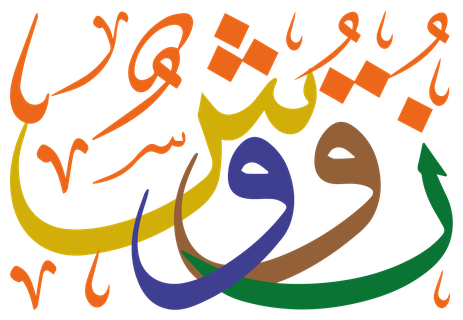
عروشا – تنزانيا
3/9/1991م
Layla and Salma
- Don’t bear your sleeplessness by night; ask what you will
about the news of Layla and of Salma1. - For each of us, for love of her who laid him low,
is locked in combat, wading into war, then into peace again. - We never find peace in peace, not for a single day;
no, nor in war are there any spoils for us to gain. - Don’t think my heart is free2; among mankind there’s none
whose heart is not love-sick for some Nuʿma. - So pour out all the story of your love, and tell it through:
it is the plaint of what has struck us with its pain. - The arrows of these women struck at hearts
that archers never struck before, on any day. - We have seen men laid low by the eyes
of curtained women3, who kill unjustly. - And what a wonder, that a gazelle should fell the lion:
it shot a single glance at him, and where he stood he was slain4. - Whoever’s heart escapes the glances of Layla
is surely stricken by the glances of Salma.
Arusha, Tanzania, 3 September 1991
Notes
- Layla and Salma are among the most familiar names of the beloved in Arabic poetry; Layla is the beloved of Majnun, the proverbial madman of love. Here they stand for all beloved women. The poem plays on their names: laylan, ‘at night’, in the same verse echoes Laylā, and Salmā echoes silm, ‘peace’, and salām, ‘peace, safety’, which return in verses 2 and 3. ↩
- Khalī al-qalb, ‘free of heart’, is the one untouched by love, and ʿamīd al-qalb the one whose heart love has made sick. Nuʿmā is another stock name for the beloved in classical poetry; the word also means ‘blessing, favour’, so the phrase can be heard as ‘stricken by a blessing’. ↩
- Dhawāt al-khudūr, ‘the women of the curtains’: well-born women kept in the curtained part of the tent or house, secluded and unseen. The paradox is that women who never go out are the ones who fell men. ↩
- The gazelle, emblem of the beautiful woman, fells the lion, emblem of the brave man: a reversal that makes the wonder. Aṣmā is a hunting term, said of an archer whose arrow kills the game on the spot, so that it drops where it was struck. ↩
English translation prepared by artificial intelligence and reviewed against the Arabic for accuracy of meaning and rhetoric.