
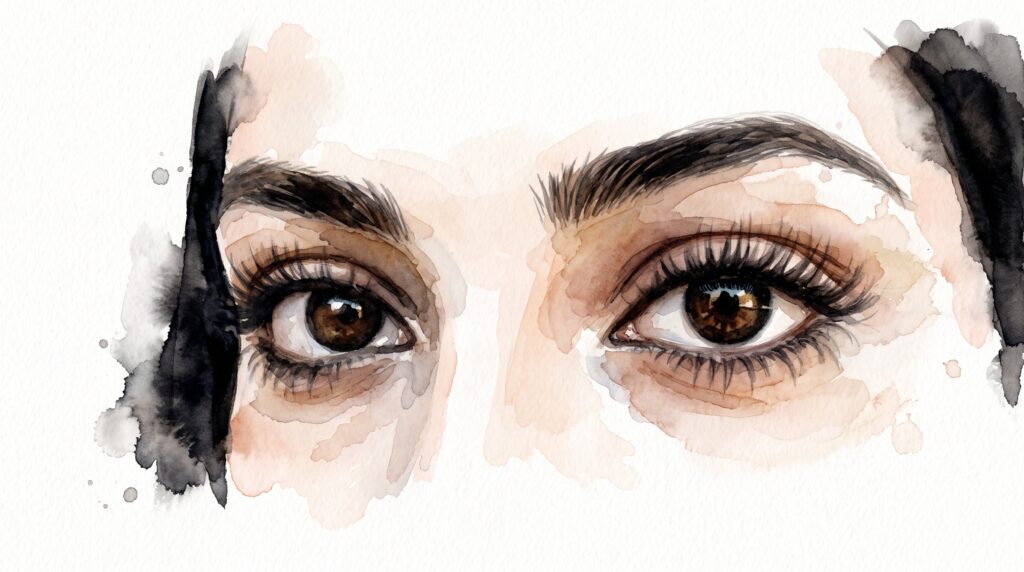
قُلْ لِلَّتِي صَمَتَتْ حُرُوفُ لِسَانِهَاإِنَّ العُيُونَ عَنِ الكَلَامِ تُتَرْجِمُ
بُوحِي بِلَحْظِكِ فِي سُكُونِكِ وَاعْلَمِيأَنِّي بِغَيْرِ حَدِيثِهَا(1) لَا أُغْرَمُ
مَا حِيلَتِي وَالسِّحْرُ يَسْكُنُ طَرْفَهَانَظَرَاتُهَا سَهْمٌ يُصِيبُ وَيُؤْلِمُ
تُخْفِي الهَوَى خَجَلاً وَتُسْبِلُ جَفْنَهَاوَالوَجْدُ يَفْضَحُ مَا تُسِرُّ وَتَكْتُمُ
فَإِذَا رَنَتْ نَحْوِي بِنَظْرَةِ عَاشِقٍزَالَ العَنَاءُ وَبَاتَ ثَغْرِي يَبْسِمُ
لَا تَحْجُبِي شَمْسَ العُيُونِ عَنِ الدُّجَىفَالقَلْبُ مِنْ طُولِ النَّوَى يَتَأَلَّمُ
إِنِّي فَقِيهٌ فِي قِرَاءَةِ صَمْتِهَامَا عَادَ سِرّاً فِي الهَوَى لَا يُعْلَمُ
عَهْدُ الهَوَى مَكْتُوبَةٌ آيَاتُهُبَيْنَ الجُفُونِ وَبِالمَدَامِعِ يُخْتَمُ
فَدَعِي العُيُونَ تَقُولُ كُلَّ حَقِيقَةٍإِنَّ المُحِبَّ بِلَحْظِهِ يَتَكَلَّمُ
أَنْتِ الَّتِي مَلَكَتْ شِغَافَ جَوَانِحِيوَبِغَيْرِ حُبِّكِ خَافِقِي لَا يَنْعَمُ
Tell Her1
- Tell her whose tongue has silenced every letter:
when speech is stilled, the eyes are its translator. - Confess it with your glance, though you keep still, and learn:
no talk but theirs(1) can make my passion burn. - What can I do, when magic dwells within her gaze?2
Her glances are an arrow: it strikes, and it pains. - She hides her love in shyness and lowers her eyelid,
but ardour betrays the secret she keeps hidden. - And when she turns on me a lover’s steady gaze,
all weariness is gone, and a smile lights up my face. - Do not hide the sun of your eyes from the dark:
the heart is aching, so long kept apart. - I am a jurist3 in the reading of her silence:
in love there is no longer any secret left unknown. - Love’s covenant: its verses are inscribed
between the eyelids, and with tears its seal applied.4 - So let the eyes tell every truth they find:
a lover’s glance is how he speaks his mind. - You are the one who has seized the very core of my breast;5
without your love, my beating heart can know no rest.
- (1) The pronoun refers to the eyes.
Notes
- The Arabic title, Qul li-llatī, ‘Say to her who…’, is the poem’s opening: the speaker asks an unnamed listener to carry a message to a woman whose tongue is silent. The relative clause is left open in the title, to be completed by the verse itself. ↩
- From the second verse the poem moves between speaking to the beloved (‘you’, in verses 2, 6, 9 and 10) and speaking of her (‘she’, in verses 3 to 5 and 7). Such shifts of person, called iltifāt, are a familiar device of Arabic poetry; both refer to the same woman. ↩
- Faqīh is a scholar of Islamic law, one trained to read texts closely and draw out their hidden rulings. The speaker claims the same expert learning in reading her silence. ↩
- The verse borrows the language of scripture. ʿAhd is a covenant or solemn pledge; āyāt, ‘verses’, is the word for the verses of the Qur’an, and also means ‘signs’; yukhtam, ‘is sealed’, also recalls khatm, the completion of a full recitation of the Qur’an. The pact of love is written in the eyes and sealed, or completed, with tears. ↩
- Shighāf is the membrane that encloses the heart, and jawāniḥ are the ribs, the breast. The phrase recalls the Qur’an (12:30), where the women of the city say of the wife of al-ʿAzīz that love for Joseph ‘has pierced the membrane of her heart’ (qad shaghafahā ḥubban). ↩
English translation prepared by artificial intelligence and reviewed against the Arabic for accuracy of meaning and rhetoric.