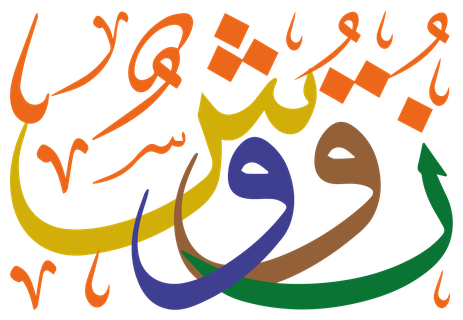
الْقُدْسُ حَطَّمَ قَيْدَهُ وَسَلَاسِلَهْوَأَنَارَ فِي جَوْفِ الظَّلَامِ مَشَاعِلَهْ
وَلَّتْ عُهُودُ الظُّلْمِ يَا صَحْبِي بِهِبَلْ فَجَّرَ الْحَقُّ الْمُبِينُ قَنَابِلَهْ
فِي وَجْهِ إِسْرَائِيلَ أَعْلَنَ صَوْتَهُاللَّهُ أَكْبَرُ فَاسْتَفَاقَتْ ذَاهِلَةْ
سَالَتْ عَلَى قَدَمَيْهِ حُرُّ دِمَائِنَافَنَفَى الْأَذَى عَنْهُ وَدَوَّخَ غَائِلَهْ
اللَّهُ أَكْبَرُ. قُدْسُنَا فِي جُرْأَةٍوَشَجَاعَةٍ تَرْمِي الْجُنُودَ جَنَادِلَهْ
وَيُشَارِكُ الطِّفْلُ الَّذِي قَدْ أَصْبَحَتْفِي كَفِّهِ تِلْكَ الصُّخُورُ مُقَاتِلَةْ
فَكَأَنَّمَا قَدْ سُوِّمَتْ لِعَدُوِّنَالِتَكُونَ أَحْرَى أَنْ تُصِيبَ مَقَاتِلَهْ
وَتَبَاهَتِ الْأَحْجَارُ فِي مِقْلَاعِهِبَلْ طَهَّرَتْ أَظْفَارَهُ وَأَنَامِلَهْ
يَا قُدْسُ فَانْفُضْ عَنْ رُبَاكَ غُبَارَهُمْوَارْمِ الْعَدُوَّ جُمُوعَهُ وَفَصَائِلَهْ
وَأَنِرْ لَنَا دَرْبَ الْجِهَادِ نَرُودُهُنَطْوِي الزَّمَانَ بُكُورَهُ وَأَصَائِلَهْ
بِالسَّيْفِ بِالصَّارُوخِ وَالْحَجَرِ الَّذِيكَانَتْ بِدَايَةُ رَشْقِهِ مُتَفَائِلَةْ
لَا يَثْنِكَ التَّهْوِيدُ وَهْوَ جَرِيمَةٌلَمْ يَدْرِ بَعْدُ الْوَاهِمُونَ رَذَائِلَهْ
حَلُّوا بِأَرْضِكَ لَوَّثُوا الطُّهْرَ الَّذِيلَمْ يُحْصِ بَعْدُ الْعَالَمُونَ فَضَائِلَهْ
أَطْلِقْ رَصَاصَكَ وَارْشُقِ النَّذْلَ الَّذِيقَصَفَتْ بَنَادِقُهُ الْجَنَى وَخَمَائِلَهْ
وَاحْشُدْ جُنُودَكَ كَيْ تُغِيرَ عَلَى الَّذِيغَالَتْ يَدَاهُ نَبَاتَهُ وَسَنَابِلَهْ
هَذَا دَمِي قَدْ سَالَ فِي سَاحَاتِهِبِرَصَاصِ غَدْرِ الْفُوَّهَاتِ الْقَاتِلَةْ
قَدْ شَكَّلُوا لَكَ لَجْنَةً مِنْ مَجْلِسٍلَمْ يَتَّخِذْ خُطُوَاتِ حَقٍّ عَادِلَةْ
فِي مَجْلِسٍ لِلظُّلْمِ كَانَ بِنَاؤُهُمَا كَانَ يَوْمًا مُنْصِفًا يُرْتَاحُ لَهْ
لَا تَنْتَظِرْ مِنْهُ قَرَارًا مُنْصِفًاإِنَّ الْهَوَى أَخْفَى عَلَيْهِ دَلَائِلَهْ
يَا فِتْيَةَ الْقُدْسِ احْشُدُوا قُوَّاتِكُمْمُتَوَحِّدِينَ فَمَا الْجِهَادُ بِنَافِلَةْ
وَتَشَبَّثُوا بِالنُّورِ بِالْأَرْضِ الَّتِيشَرُفَتْ بِهَا أَقْدَامُ كُلِّ السَّابِلَةْ
وَتَشَبَّثُوا بِالشَّمْسِ وَاحْمُوا طُهْرَكُمْإِنَّ النَّجَاسَةَ بِالطَّهَارَةِ زَائِلَةْ
وَتَشَبَّثُوا لَا تَسْتَكِينُوا مَرَّةًعَهْدُ الشَّرَاذِمِ أَنْ تَوَلَّى رَاحِلَةْ
كُونُوا عَلَيْهِمْ غُصَّةً فِي حَلْقِهِمْكُونُوا عَلَيْهِمْ كَالسُّمُومِ الْقَاتِلَةْ
عَارٌ عَلَى الشَّعْبِ الْأَبِيِّ إِبَاؤُهُإِنْ كَانَ لَيْسَ بِقَاتِلٍ مَنْ قَاتَلَهْ
عَارٌ بِأَنْ تُضْحِي حُقُوقُ شُعُوبِنَاأَدْنَى مِنَ الْجُرْذَانِ بَلْ فِي السَّافِلَةْ
عَارٌ بِأَنْ نَسْتَجْدِيَ التَّحْقِيقَ مِنْأَشْقَى الْمَجَالِسِ وَاللِّجَانِ الْخَامِلَةْ
وَهُمُ الْأُلَى جَلَبُوا الْيَهُودَ لِدَارِنَاكَيْ يَنْشُرُوا فِيهَا الْخَنَى وَرَذَائِلَهْ
عَارٌ عَلَى أُمَمِ الْعُرُوبَةِ أَنْ تُرَىبِالْمَالِ وَالْبِتْرُولِ تَزْهُو رَافِلَةْ
وَيَظَلُّ أَبْنَاءُ الْعُرُوبَةِ فِي الْخَنَاوَالْفُحْشِ مِنْ بَيْنِ الشُّعُوبِ الْجَاهِلَةْ
1987م
Jerusalem in Revolt1
- Jerusalem has smashed its fetter and its chains,
and lit its torches in the hollow of the night. - The days of tyranny are over here, my friends;
what’s more, the manifest Truth2 has made its bombs ignite. - It raised its voice in Israel’s face and cried
“God is greatest!”3, and Israel woke, stunned with fright. - Our noblest blood4 has flowed down over its feet;
it drove off harm, and left its treacherous foe too dazed to fight. - “God is greatest!” Our Jerusalem, with daring
and courage, rains its boulders on the soldiers in the fight. - The child joins in, the child within whose palm
those very rocks have turned to fighters in their own right, - as though they had been marked5 for our enemy,
the surer to find his mortal places when they strike. - The stones grew proud of their place in his sling;
what’s more, they purified his nails and fingertips. - O Jerusalem, shake off their dust from your hills,
and pelt the enemy, his hosts, his units, all his might. - Light up the path of jihad for us to scout6,
as we fold up time, its dawns and its declining light, - with the sword, with the rocket, and with the stone
that from its very first throw has taken hopeful flight. - Do not let Judaization7 turn you back: it is a crime
whose villainies the deluded have yet to see in their true light. - They’ve settled in your land, and fouled a purity
whose virtues all the world has yet to count in full. - Let loose your bullets, pelt the scoundrel whose guns
have shelled the ripened fruit and the groves that bore it. - Muster your troops to fall upon the one
whose hands have struck its green shoots and its ears of grain8 with blight. - This is my blood, that flowed across its squares,
spilt by the treacherous bullets of the muzzles that kill. - They’ve formed a committee for you out of a council9
that never once has taken a just step for what is right, - a council that was built for tyranny,
never once fair, nor one to set the heart at ease. - Expect from it no fair resolution: bias
has kept the evidence concealed from its sight. - Young men of Jerusalem, muster your forces,
united: for jihad is no optional rite10. - Hold fast to the light, to the land where the feet
of every wayfarer11 are honoured as they alight. - Hold fast to the sun, and guard your purity,
for purity will wipe impurity from sight. - Hold fast, and do not yield, not even once:
the rabble’s12 way has always been to turn and take to flight. - Be to them a lump that chokes them in the throat;
be to them like poisons that kill. - Shame on a proud people for its very pride
if it will not kill the foe who comes at it to fight13! - Shame, that our peoples’ rights should come to rank
lower than rats, no, lower still, sunk out of sight! - Shame, that we should go begging for an inquiry
from the most wretched of councils and from idle committees, - when they are the very ones who brought the Jews into our home
to spread obscenity in it, and all its vices14! - Shame on the Arab nations, to be seen
strutting in wealth and oil, trailing their robes in pride, - while the Arab nations’ sons stay sunk in obscenity
and lewdness, ranked among the ignorant and the benighted15!
1987
Notes
- The title is Thawrat al-Quds. Thawra means revolution or uprising; the date under the poem, 1987, places it at the outbreak of the first Palestinian intifāḍa in December of that year, remembered for children and young men facing soldiers with stones and slings, as the poem shows. Al-Quds, the Arabic name of Jerusalem, means 'the Holy'. The poet treats the city as masculine and personifies it as a fighter who breaks his chains, cries out, pelts soldiers and musters troops; English 'it' cannot fully carry that personification. From verse 9 the poem turns to address the city directly as 'you'. ↩
- Al-ḥaqq al-mubīn, 'the manifest Truth', is a Qur'anic phrase (Qur'an 24:25) and al-Ḥaqq, 'the Truth', is one of the names of God. The verse therefore suggests both that right itself has exploded against oppression and that the uprising is God's own doing. ↩
- 'God is greatest' (Allāhu akbar, the takbīr) is the call to prayer and the traditional battle cry of Muslims; the poem repeats it at the start of verse 5. Istafāqat dhāhilatan pictures a sleeper jolted out of a false sense of security, dazed and bewildered. The verb dhahala carries terror as well as bewilderment: the Qur'an (22:2) uses it of the nursing mother who, in the terror of the Last Hour, forgets the infant at her breast. ↩
- Ḥurr dimāʾinā: ḥurr means 'free', and ḥurr of anything is its finest, purest part. The phrase means the noblest of our blood, and also the blood of free men. The martyrs' blood is shed at the city's feet like an offering, and it is this sacrifice that repels the attacker. ↩
- Suwwimat, 'they were marked', recalls the Qur'anic stones 'marked by your Lord' (musawwama) that God rained down on the people of Lot (Qur'an 11:82–83; 51:33–34). The children's stones are thus likened to stones of divine punishment. The rhyme word maqātilahu, 'his mortal places' (plural of maqtal, a spot where a blow kills), echoes muqātila, 'fighters', at the end of the previous verse: the two words are spelt alike and differ only in their vowels, a play (jinās) that English cannot reproduce. ↩
- Narūduhu means to go ahead exploring a path, as a scout (rāʾid) goes ahead of his people. 'Folding up time' is an Arabic image for pressing on without pause, so that days pass unnoticed; bukūr and aṣāʾil, early mornings and late afternoons, stand for all hours of the day. ↩
- Tahwīd, 'Judaization', is the Arabic term for Israeli policies intended to change the Arab and Islamic character of Jerusalem: settlement, confiscation of land and property, and altering the city's population and landmarks. ↩
- The pronoun 'its' here, and in 'its squares' in the next verse, refers to Jerusalem, which the poem has just been addressing as 'you'. The shift from second to third person (iltifāt) is a common device in Arabic verse. ↩
- The poem does not name the council. It is most likely the United Nations Security Council, which in December 1987 responded to the uprising by deploring Israel's actions in the occupied territories and asking for the situation to be examined and reported on. The poet's point is that the Arabs place their hopes in bodies whose record, in his view, is one of injustice. ↩
- Nāfila is a supererogatory act of worship, done voluntarily beyond what is obligatory. To say that jihad is 'no nāfila' is to say that it is a binding duty, not a matter of choice, when one's land is occupied. ↩
- Al-sābila are those who pass along a road, wayfarers. The usual relation is reversed: it is not the pilgrims and travellers who honour the land of Jerusalem, but the land that confers honour on the feet that tread it. ↩
- Al-sharādhim (plural of shirdhima) are small, scattered bands of people, a contemptuous word. It echoes Pharaoh's words about the Israelites in the Qur'an, 'these are but a small band' (26:54), now turned against the occupiers. ʿAhd can mean 'era' as well as 'known custom', so the phrase can also be read as 'the era of the rabble is bound to turn and depart'. ↩
- The verse turns on a paradox: a people's pride (ibāʾ) becomes its disgrace if it does not strike back. The rhyme plays on qātil ('one who kills') and qātalahu ('the one who fought him'), words from the same root (jinās). ↩
- The 'very ones' are the great powers behind the councils and committees just mentioned. The line recalls the Balfour Declaration of 1917, the British Mandate over Palestine, under which Jewish immigration was promoted, and the United Nations partition plan of 1947. Khanā means obscenity, foul speech and conduct. ↩
- Al-shuʿūb al-jāhila, 'the ignorant peoples', echoes al-Jāhiliyya, 'the Age of Ignorance', the Islamic name for pagan Arabia before Islam. The closing bitterness is that the Arabs, rich in oil and wealth, have slipped back into ignorance and moral decay. ↩
English translation prepared by artificial intelligence and reviewed against the Arabic for accuracy of meaning and rhetoric.