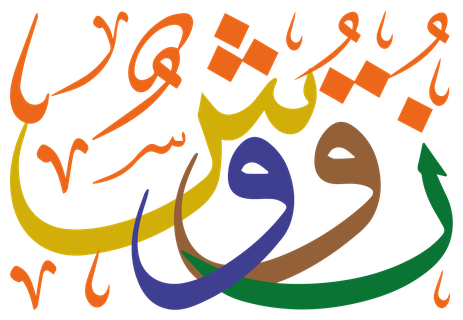
إِلَى الشَّيْخِ الْمُجَاهِدِ أَحْمَدَ يَاسِينَ، بَعْدَ إِطْلَاقِ سَرَاحِهِ مِنَ الْأَسْرِ
ثَمَانٍ وَنِصْفٌ مَضَتْ أَوْمَضَتْ(1)بِعُمْرِكَ نُورًا فَزِدْتَ شُرُوقَا
أَهِبْتَ سَجِينًا فَكَيْفَ سَتَغْدُوبِرَبِّكَ.. إِمَّا غَدَوْتَ طَلِيقَا
وَكَالْجَمْرِ أَنْتَ إِذَا مَا احْتُجِزْتَبِأَيْدِي الْأَعَادِي اشْتَعَلْتَ حَرِيقَا
وَإِنْ أَطْلَقُوكَ سَتُشْعِلُ فِينَا«حَمَاسًا» وَتُرْعِدُ فِيهِمْ بُرُوقَا
هُمُ بَيْنَ نَارَيْنِ دَارُوا فَحَارُواوَلَمْ يَسْتَبِينُوا الرَّشَادَ طَرِيقَا
فَلَمْ تَحْنِ رَأْسًا سِوَى لِلْمُهَيْمِنِذُبْتَ بِدَمْعٍ لَدَيْهِ غَرِيقَا
وَأَنْتَ الْقَعِيدُ أَشَدُّ عَلَيْهِمْبِعِزِّكَ مِمَّنْ يَسِيرُ أَنِيقَا
فَحَسْبُكَ جِيلُ الْحِجَارَةِ فَخْرًابِمِقْلَاعِ طِفْلٍ يَفُكُّ الْمَضِيقَا
يُعَرِّي الْعَدُوَّ وَيَكْشِفُ زَيْفًاتَسَتَّرَ فِيهِ زَمَانًا سَحِيقَا
فَيَغْدُو كَأُضْحُوكَةٍ فِي الْبَرَايَاجُنُودٌ تُوَاجِهُ طِفْلًا رَقِيقَا
سَلَامٌ عَلَيْكَ وَلِيدًا وَطِفْلًاوَشَابًّا وَكَهْلًا وَشَيْخًا رَفِيقَا
تَبَارَكَ عُمْرُكَ إِذْ أَثْمَرَتْلَيَالِيهِ فَخْرًا وَمَجْدًا عَرِيقَا
أَهَبْتَ الْعَدُوَّ شُمُوخًا وَعِزًّاوَهِبْتَ الْمُعِزَّ فَبِتَّ طَلِيقَا
وَرَبَّيْتَ جِيلَ الشَّهَادَةِ حَتَّىإِذَا شَبَّ قَامَ يُعِيدُ الْحُقُوقَا
شَبَابُ «حَمَاسٍ» وَأَنْعِمْ بِهِمْ مِنْشَبَابٍ تَحَدَّى الْعَدُوَّ لُحُوقَا
يَحُوطُونَ حَوْلَكَ أَشْبَالَ لَيْثٍوَأَنْتَ الْمُفَدَّى تَقُودُ الْفَرِيقَا
يَحُوطُونَ حَوْلَكَ هَالَاتِ نُورٍوَكَالْبَدْرِ أَنْتَ تَزِيدُ بَرِيقَا
خَرَجْتَ مِنَ السِّجْنِ لَيْثًا هَصُورًاتُهَابُ وَتُخْشَى عَدُوًّا صَدِيقَا
وَتَمْضِي أَشَمَّ بِدَرْبِ الْمَعَالِيوَتَرْكُلُ بِالنَّعْلِ وَجْهًا صَفِيقَا
وَتَهْبِطُ كَالنَّسْرِ كُلَّ الْمَطَارَاتِ..وَهُمْ كَالْحَمِيرِ أَطَالُوا النَّهِيقَا
يُرِيدُونَ أَنْ لَا تَزُورَ وَأَنْ لَاتُزَارَ وَأَنْ لَا تُرَى مُسْتَفِيقَا
وَأَنْتَ أَمَامَ عُيُونِ أَعَادِيكَتَمْرُقُ كَالسَّهْمِ فِيهِمْ مُرُوقَا
وَتَهْتَزُّ أَرْوَاحُنَا بَهْجَةًوَتَفْدِيكَ كُلُّ النُّفُوسِ خَلِيقَا
أَعِدْ لِلشَّهَادَةِ طَعْمَ الدَّوَالِيوَمَهِّدْ لِجِيلِ الْجِهَادِ الطَّرِيقَا
وَوَثِّقْ عُرَى الشَّعْبِ فِي دَرْبِهِإِلَى الْمَجْدِ حَتَّى يَزِيدَ وُثُوقَا
وَوَحِّدْ وَرَاءَكَ رَايَاتِ حَقٍّلِيَبْزُغَ فَجْرٌ أَهَلَّ أَنِيقَا
The Seat That Shook the Enemy1
To the mujahid Sheikh Ahmed Yassin, after his release from captivity2
- Eight years and a half have passed and flashed (1) with light
across your life: you rose, a sun more bright. - A captive, you were held in awe; how, then,
by your Lord, will you stand, once free, in their sight? - Like embers you are: whenever you are held
in enemy hands, you blaze into a fire. - And if they set you free, you’ll kindle “zeal”3
in us, and loose on them thunder and lightning-strike. - Caught between two fires, they wheeled and reeled4;
they could not see the road that leads aright. - You bowed your head to none but the All-Watchful5,
and melted before Him, drowned in your tears’ tide. - And you, the seated one1, in your dignity,
bear harder on them than men of elegant stride. - The generation of the stones6 is pride enough for you,
whose child’s sling forces the narrow pass wide. - It strips the enemy bare, and it exposes the lie
that he had hidden in since time out of mind, - and so he becomes the laughing-stock of all mankind:
soldiers who stand and face a tender child! - Peace be upon you, newborn, child and youth,
and man in his prime, and Sheikh7, gentle and kind. - Blessed be your life, whose nights have borne as fruit
pride, and a glory rooted deep in time. - With lofty pride and strength you awed the foe;
and you went free, who held in awe the Giver of Might8. - You raised the generation of martyrdom until,
when it came of age, it rose to win back the rights. - The young men of “Hamas”, and how fine they are,
young men who dare the foe and chase his flight! - They gather round you, cubs of a lion, and you,
whom all would ransom, lead them as their guide. - They gather round you, haloes of light, while you,
like the full moon, grow ever more bright. - You came from prison a mauling lion, held
in awe and feared by foe and friend alike. - Head high, you stride along the road of lofty deeds,
and kick with your sandal a face of brazen hide9. - Like an eagle you alight at every airport10…
while they, like donkeys, drag out their long braying11. - They want you not to visit, nor to be
visited, nor to be seen alert, revived. - And you, before the very eyes of your foes,
pass clean through them as an arrow flies. - Our spirits quiver with joy, and every soul
would be your ransom, as is only right. - Give martyrdom once more the taste of the vine12,
and smooth the road for the generation of jihad. - Bind fast the handholds of the people13 on their road
to glory, till they grow firmer still and hold more tight. - And gather behind you the banners of truth as one,
that a dawn may break whose fair first gleam is in sight.
- (1) Awmaḍat: a past-tense verb from wamīḍ, a flash or gleam, meaning ‘they shone brightly’. ‘Eight and a half’ refers to the years he spent in the enemy’s prison.
Notes
- Al-maqʿad means a seat, and here evokes the wheelchair to which Sheikh Ahmed Yassin (1936–2004), the founder of Hamas, was confined: he was paralysed from youth after an accident. Written without vowels, as titles usually are, the same letters may also be read al-muqʿad, 'the one who is crippled, unable to rise'. The title can thus suggest both 'the seat' and 'the paralysed man' that shook the enemy. Verse 7 returns to the idea with al-qaʿīd, 'the one who sits, the man confined to his seat'. ↩
- Sheikh Ahmed Yassin was arrested by Israel in 1989 and sentenced to life imprisonment. He was released in October 1997, in an exchange that followed the failed Israeli attempt on the life of Khaled Meshaal in Amman. Israel assassinated him in Gaza in March 2004. ↩
- Ḥamās means 'zeal, fervour', and it is also the name of the movement Yassin founded, Hamas (an acronym of Ḥarakat al-Muqāwama al-Islāmiyya, the Islamic Resistance Movement). The quotation marks in the Arabic point to the double meaning; verse 15 names the movement openly. ↩
- Dārū fa-ḥārū: 'they turned about, and so were bewildered'. The two verbs differ by a single letter and rhyme (jinās), so the jingle itself mimics their helpless spinning between two fires: keeping him in prison inflames resistance, and freeing him inflames it too. ↩
- Al-Muhaymin, one of the names of God in the Qur'an (59:23), means the Guardian who watches over all things and holds them in His keeping. ↩
- The 'generation of the stones' is the generation of the first Palestinian Intifada, which broke out in December 1987 and was marked by children and youths throwing stones at Israeli soldiers. Hamas was founded by Yassin and his companions at its start, which is why the pride of that generation is counted as his. Al-maḍīq, 'the narrow pass, the strait', stands for the stranglehold of occupation. ↩
- The verse echoes the Qur'anic blessing on John and on Jesus: 'Peace be upon him the day he was born, the day he dies, and the day he is raised alive' (19:15; cf. 19:33). Here the stages are those of a whole life, from infancy to old age. The last word, shaykh, means both 'an old man' and the honorific 'Sheikh' by which Yassin was known. ↩
- The verse turns on two plays of sound and sense. Ahabta, 'you inspired awe (in the enemy)', is set against hibta, 'you yourself held (God) in awe'; and ʿizz, 'might, dignity', is set against al-Muʿizz, 'the One who bestows might', a name of God. The meaning: because he feared God alone, God made him mighty in the enemy's eyes, and his release came from that. ↩
- In Arab culture the sole of the shoe or sandal is the utmost token of contempt; to strike or kick someone's face with it is the deepest insult. Ṣafīq means 'brazen', literally 'thick-skinned': a face that no longer feels shame. ↩
- After his release in 1997, Yassin travelled to a number of Arab and Muslim countries in 1998 and was received with great public celebration, to the displeasure of Israel. ↩
- The comparison recalls the Qur'an: 'the most hateful of voices is the voice of donkeys' (31:19). Set against the eagle that lands in silence and dignity, the braying stands for loud, empty protest. ↩
- Al-dawālī are grapevines, and their grapes stand for what is sweet and delicious. To give martyrdom 'the taste of grapes' is to make it once again something longed for and relished, not feared. ↩
- ʿUrā (plural of ʿurwa) are the handholds or loops by which a thing is gripped. The phrase recalls the Qur'anic al-ʿurwa al-wuthqā, 'the firmest handhold' (2:256). The verb wath-thiq ('make fast') and wuthūq ('firmness') at the end of the verse come from the same root, so the call to bind the people together is echoed in the sound of the line. ↩
English translation prepared by artificial intelligence and reviewed against the Arabic for accuracy of meaning and rhetoric.