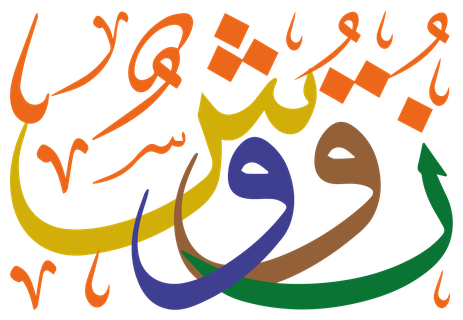
أغلق الحرم عن المصلين والطائفين والمعتمرين في زمن كورونا، فقلت:
إِنْ تُمْنَعِ الْأَشْبَاحُ مِنْ تَطْوَافِهَافَالنَّفْسُ تَهْفُو نَحْوَهُ وَتَطُوفُ
لَمْ يَخْلُ بَيْتُ اللَّهِ مِنَّا سُجَّدًاأَوْ طَائِفِينَ وَنَحْنُ ثَمَّ عُكُوفُ
يَخْلُو مِنَ الْأَجْسَادِ لَكِنْ حَشْدُهُمُهَجٌ يَلُفُّ بِهَا الْغَرَامُ شُغُوفُ
تَهْفُو لَهُ أَرْوَاحُنَا بِمَحَبَّةٍحَتَّى نَعُودَ لَهُ وَنَحْنُ صُفُوفُ
يَا رَبِّ عَجِّلْ بِاللِّقَاءِ فَإِنَّنَانَبْكِي وَدَمْعُ الْعَاشِقِينَ ذَرُوفُ
فَاكْشِفْ عَنِ الْبَيْتِ الْعَتِيقِ وَبَاءَهُفَلَقَدْ قَسَتْ بَعْدَ الْوِصَالِ صُرُوفُ
وَاقْبَلْ دُعَاءَ الْمُخْلِصِينَ وَشَوْقَهُمْحَتَّى تَعُودَ إِلَى الْمَقَامِ ضُيُوفُ
لِتَعُودَ مَكَّةُ بِالْمُهَلِّلِ تَزْدَهِيوَتَحُفَّ بِالْبَيْتِ الْعَتِيقِ زُحُوفُ
Until We Return
When the Sacred Mosque1 was closed to those who come to pray, to circle the Kaaba and to perform the lesser pilgrimage, in the time of the coronavirus, I said:
- If bodies2 are kept from circling it, the soul
still yearns toward it, and goes circling round. - The House of God was never empty of us, prostrate
or circling, while we stayed there, in devotion3 bound. - It is empty of bodies, but its throng
is lovesick hearts that passion wraps around. - Our spirits fly toward it with love,
until we come back to it, standing in our rows. - O Lord, hasten the meeting, for we weep,
and lovers’ tears flow freely and abound. - So lift the plague from the Ancient House4, for fortune’s blows
have grown so harsh since the closeness that we found. - Accept the prayers of the sincere, and their longing,
until the guests return once more to the Station5, - so Mecca may glow again with those who cry “There is no god but God,”
and throngs may crowd around the Ancient House’s ground.
Notes
- Al-Ḥaram, the Sacred Mosque in Mecca, which surrounds the Kaaba. In 2020, during the COVID-19 pandemic, it was closed for a time to worshippers, to those performing ṭawāf (the circling of the Kaaba) and to those performing ʿumra, the lesser pilgrimage that may be made at any time of year. ↩
- Ashbāḥ, ‘forms, bodies’, is paired in classical Arabic with arwāḥ, ‘spirits’: the bodies are kept away, but the souls perform the ṭawāf all the same. ↩
- The verse echoes the Qur’an, where God commands Abraham and Ishmael to purify His House ‘for those who circle it, those who stay there in devotion, and those who bow and prostrate themselves’ (2:125). ʿUkūf is the devotional retreat (iʿtikāf) of those who remain in a mosque for worship. ↩
- Al-bayt al-ʿatīq, ‘the Ancient House’, is a Qur’anic name for the Kaaba (22:29, 22:33). ʿAtīq means both ‘ancient’ and ‘freed, noble’. ↩
- Al-maqām is the Station of Abraham (maqām Ibrāhīm), the stone beside the Kaaba on which Abraham is said to have stood while building it. The word also means simply ‘the place of standing’, that is, the sanctuary. The worshippers are ‘guests’: pilgrims are traditionally called the guests of God (ḍuyūf al-Raḥmān). ↩
English translation prepared by artificial intelligence and reviewed against the Arabic for accuracy of meaning and rhetoric.