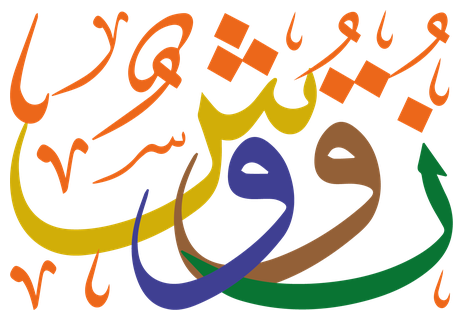

وَأَنْتِ الَّتِي لَوْ لَمَسْتِ الْيَبَابَ..اسْتَحَالَ بَسَاتِينَ مِنْ يَاسَمِينْ
وَأَنْتِ الَّتِي لَوْ هَمَسْتِ لِغَيْمٍ..لَأَمْطَرَ غَيْثاً عَلَى العَالَمِينْ
وَلَوْ مَرَّ ظِلُّكِ فَوْقَ الأُجَاجِ..لَصَارَ فُرَاتاً وَمَاءً مَعِينْ
وَلَوْ عَانَقَتْ مُقْلَتَاكِ الجَلِيدَ..لَذَابَ وَأَوْرَقَ فَيْضَ حَنِينْ
وَلَوْ بُحْتِ بِالسِّرِّ لِلصَّخْرِ يَوْماً..لَأَنْصَتَ يَنْبِضُ كَالعَاشِقِينْ
وَلَوْ بِالبَنَانِ أَشَرْتِ لِقَلْبِي..لَلَبَّى وَأَصْغَى لِمَا تَأْمُرِينْ
فَلَا القَفْرُ قَفْرٌ إِذَا مَا عَبَرْتِ..وَلَا العُمْرُ يَفْنَى بِرَكْضِ السِّنِينْ
أَنَا العَاشِقُ الصَّبُّ تَاهَتْ خُطَاهُ..وَلَيْسَ لِقَلْبِي سِوَاكِ يَقِينْ
أَفَاطِمُ رِفْقاً بِقَلْبِي..الَّذِي قَدْمَلَكْتِ نُهَاهُ، فَهَلْ تَرْحَمِينْ؟
And You Are the One1
- And you are the one: if you touched the waste land,
it would turn into gardens of jasmine, blossoming; - and you are the one: if you whispered to a cloud,
it would pour its saving rain on every living thing. - If your shadow passed over the bitter brine,
it would turn to sweet water2, the gush of a spring. - If ever your eyes should embrace the ice,
it would melt, and would burst into leaf, a flood of longing. - If one day you told your secret to the rock,
it would hush and would listen, its pulse, like a lover's, quickening. - If you so much as pointed a fingertip at my heart,
it would cry “Here I am!”3 and would hang on your bidding. - The desert is no desert whenever you pass,
nor is life ever spent by the years' galloping. - I am the lover poured out in love4, whose footsteps have strayed,
and my heart, but for you, can be certain of nothing. - Fatima5, go gently with my heart, whose reason
you have made your own6: will you not have mercy?
Notes
- The Arabic title, wa-anti llatī, is the opening of the poem's first two verses: 'and you are the one who…'. It begins with 'and', as though the poet were continuing a praise already under way, and the relative clause it opens is left for each verse to complete with a new marvel. The same frame, 'if you… it would…', then runs through most of the poem. ↩
- Ujāj is water so salty and bitter that it cannot be drunk; furāt is the sweetest fresh water. The Qur'an sets the two against each other (25:53 and 35:12: 'this one sweet and fresh, that one salt and bitter'). Māʾ maʿīn, 'flowing spring water', is also Qur'anic (67:30). Her mere shadow, not even her touch, reverses the nature of the water. ↩
- Labbā is to answer with labbayka, 'Here I am, at your service!', the cry of instant, willing obedience, best known as the pilgrims' response to God's call during the Hajj. The heart answers her fingertip as a pilgrim answers the summons. ↩
- Al-ṣabb is the lover whose passion has overflowed and poured out; the word comes from a root meaning 'to pour'. It is a standard term of classical love poetry for a man wholly consumed by love. ↩
- The vocative a-Fāṭimu (the name Fāṭima with the final letter clipped, a form of tender address) echoes one of the most famous lines of Arabic poetry, in the Muʿallaqa of Imruʾ al-Qays: a-Fāṭimu mahlan baʿḍa hādhā l-tadallul, 'Fatima, gently! Enough of this coquetry'. Like the pre-Islamic poet, the speaker turns to the beloved by name at the end and pleads with her. ↩
- Nuhā is reason, the faculty that restrains a person from folly. The Arabic says that she has taken possession of the heart's nuhā: love has taken from it the very power that might have held it back. The closing question is a plea, not a real question. ↩
English translation prepared by artificial intelligence and reviewed against the Arabic for accuracy of meaning and rhetoric.