
يَا مَنْ قَتَلْتِ بِلَحْظِكِ الأَرْوَاحَالِمَنِ الشَّكَاةُ إِذَا أَصَبْتِ جِرَاحَا؟
أَشْكُو إِلَيْكِ وَأَنْتِ خَصْمُ ظُلَامَتِيمَنْ ذَا يُقَاضِي طَرْفَكِ الذَّبَّاحَا؟
إِنْ جِئْتُ أَشْكُو لِلْبَرِيَّةِ جَوْرَكُمْرَأَوُا الجَمَالَ، فَصَدَّقُوا السَّفَّاحَا!
سُودُ العُيُونِ إِذَا رَنَتْ لِمُتَيَّمٍتَرَكَتْهُ نَضْواً يَسْتَجِدُّ نُوَاحَا
عَيْنَاكِ جُنْدٌ، وَاللَّوَاحِظُ شُهْبُهَاتُصْمِي الفُؤَادَ، وَتُشْرِعُ الْأَرْمَاحَا
حُورٌ إِذَا نَظَرَتْ بَدَا لَكَ مَوْرِدٌوَالمَوْتُ فِيهِ قَدِ اسْتَطَابَ مَرَاحَا
وَالجِيدُ مِرْآةُ الصَّفَاءِ بِنُورِهِفَاقَ المَهَاةَ نَقَاوَةً وَصَبَاحَا
وَالخَدُّ فَجْرٌ بِالحَيَاءِ مُضَرَّجٌيُهْدِي القُلُوبَ صَبَاحَةً وَصَبَاحَا
تَجْرِي النَّضَارَةُ فِي مَسَارِبِ صَفْوِهَاكَالعِطْرِ يَزْكُو فِي الشَّذَا فَوَّاحَا
كَالعَاجِ يَسْطَعُ بِالنَّقَاءِ بَيَاضُهُيَسْبِي العُقُولَ وَيُذْهِبُ الأتْرَاحَا
وَبِصَدْرِكِ النَّهْدَانِ ضَاقَا بِالمَدَىقَامَا لِضِيقِ المَوْضِعَيْنِ وَصَاحَا!
لَمْ يَسْكُنَا بَيْنَ الضُّلُوعِ تَمَرُّداًحَتَّى أَطَالَا بِالنُّتُوءِ جِمَاحَا
كُرَتَانِ مِنْ عَاجٍ يَلُوحُ بَيَاضُهُيَغْزُو الفُؤَادَ وَيُكْثِرُ الإلحَاحَا
تَزْهُو كَأَكْوَابِ اللُّجَيْنِ بِنَصْبِهَاوَتَزِيدُ لَوْعَةَ مَنْ غَدَا مِلْوَاحَا
تَمْشِينَ هَوْناً كَالمَلِيكَةِ فِي المَلَاوَقَوَامُكِ المَيَّاسُ يَسْكُبُ رَاحَا
تَتَمَايَلِينَ كَغُصْنِ بَانٍ مَائِسٍيَهْتَزُّ عُجْباً يَنْهَبُ الأَرْوَاحَا
وَالخَصْرُ أَهْيَفُ، كَادَ يَبْرِيهِ الضَّنَىأَوْدَى بِهِ فَرْطُ النُّحُولِ فَسَاحَا
تَمْشِي فَرِدْفٌ قَدْ عَلَا مُتَمَوِّجاًنَسَقاً وَآخَرُ قَدْ دَنَا مِمْرَاحَا
يَرْتَجُّ مَعْ خَبَبِ الْمَسِيرِ فَتَارَةًمَوْجًا يَجِيءُ وَتَارَةً مُنْزَاحَا
يَا فِتْنَةَ الخَلْقِ الَّتِي قَدْ أَسْرَفَتْتَسْبِي خَوَاطِرَ مَنْ غَدَا أَوْ رَاحَا
أَأُطَالِبُ القَاضِي بِرَدِّ مَظَالِمِيوَهُوَ الَّذِي بَذَلَ الوَلَاءَ صَرَاحَا؟
قَدْ كُنْتُ حُرّاً، فَاسْتَبَدَّ بِيَ الهَوَىوَغَدَوْتُ عَبْدَكِ غُدْوَةً وَرَوَاحَا
فَإِلَيْكِ مِنْكِ رَفَعْتُ كُلَّ شِكَايَتِيفَاقْضِي لِمَا أَتْلَفْتِهِ إِصْلَاحَا
قُولِي كَمَا تَهْوَيْنَ فِيَّ وَلَا أَرَىإِلَّا بِوَصْلِكِ حِكْمَةً وَصَلَاحَا
جُورِي؛ فَعَدْلُكِ لَيْسَ مَا يَهْوَى الْفَتَىمَنْ ذَاقَ سِجْنَكِ لَا يَرُومُ سَرَاحَا
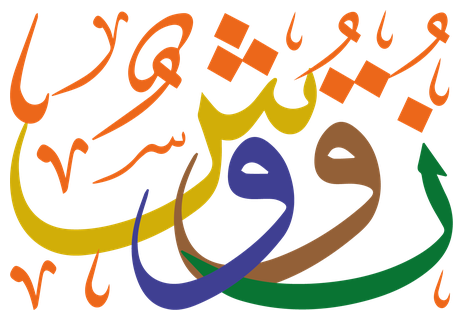
The Sultan of Beauty1
- O you by whom, with just a glance, the souls are slain,
when it is you who wound, to whom shall one complain?2 - I plead to you, and you're the adversary in my plea:
who'll bring that butchering eye of yours to trial for me? - If I complain to all mankind of your3 tyranny,
they'll look on beauty, and believe the killer, not me! - When black-eyed beauties gaze on one whom love holds in its sway,
they leave him a worn husk4, to start his wailing fresh each day. - Your eyes are armies; glances are their meteors5,
that strike the heart dead where it stands, and level spears. - When dark-eyed beauties6 look, a spring invites you in,
and death has made a pleasant resting-place within. - The neck, a mirror of clear purity, by its light
outshines the oryx7, purer still, and still more bright. - The cheek's a dawn, with modesty's own crimson flushing through;
it gives to hearts both loveliness and daybreak too8. - Through every channel of her purity, freshness flows
like perfume, sweeter as its spreading fragrance grows. - Like ivory whose whiteness shines out pure and clear,
it takes minds captive, and it drives off every care. - And in your breast the pair found all the room too tight;
hemmed in their narrow places, they stood up and cried! - They would not rest between the ribs, but, rebels still,
thrust forward, bolting9 far beyond the rider's will. - Two orbs of ivory, whose gleaming whiteness raids
the heart, and presses on, insistent, and will not be stayed. - Upright, they gleam as proudly as two silver cups,
and deepen the ache of one already parched with love. - You walk with gentle steps10, a queen amid the court,
and from your swaying figure wine11 is poured. - You sway, a supple bough of bān12 that bends and bows,
that trembles, vain of its own beauty, looting souls. - The waist is slender: wasting13 all but whittled it away;
excess of thinness ruined it; it melted, and gave way. - She walks: one hip rises, rippling in measured sway,
while the other dips down low, as if in play. - It quivers to the ambling of her pace14: now a wave
that surges in, now one that draws away. - O temptation15 of all creation, you who have run past
all bounds, and seize the thoughts of all who come and go16! - Shall I ask the judge to redress my wrongs, when he
is the very one who has sworn you open fealty? - I once was free; then passion seized me, as a tyrant may,
and I became your slave, at dawn and close of day16. - So to you, against you17, I have brought my whole appeal:
then rule that what you've ruined be repaired and healed. - Pronounce on me whatever you desire; I see
no wisdom and no rightness but your union with me18. - Be unjust, then! Your justice is not what a young man seeks:
who's tasted your prison asks for no release18.
Notes
- Sulṭān means both a sultan, a ruler, and power or authority itself. The title crowns beauty as a sovereign whose rule no one can resist, and prepares the poem's central conceit: the lover brings a lawsuit against the beloved, only to find that she is also the ruler, and that the judge himself is her subject. ↩
- The question is rhetorical: a wound dealt by the one person to whom complaint should be made leaves the victim with no one to turn to. The glance that kills (qatl bi-l-laḥẓ) is one of the oldest figures of Arabic love poetry. ↩
- The Arabic switches here from the singular 'you' to the plural 'your' (jawrakum). Addressing a single beloved in the plural is a classical convention of respect and exaltation, fitting the royal picture of the title; English cannot mark it without awkwardness. ↩
- Niḍw is a camel worn to skin and bone by long travel. Emaciation is the conventional mark of the true lover in Arabic poetry. ↩
- Shuhub are meteors or shooting stars, which in Arab and Qur'anic tradition are flames hurled to drive away eavesdropping devils. Tuṣmī is a hunting term: to strike the quarry so that it dies on the spot, before it can escape. The eyes are an army armed with fire and spears. ↩
- Ḥūr (singular ḥawrāʾ) are women whose eyes show an intense black set off by a pure white; the word also calls to mind the ḥūr, the maidens of Paradise. The paradox of the verse is that their eyes seem a mawrid, a spring where the thirsty come to drink, yet death has made its home there. Marāḥ is the place where a herd comes to rest in the evening, as if death had settled contentedly in those eyes. ↩
- Mahāh is the wild oryx or wild cow, the classical emblem of a beautiful woman's eyes and long, pale neck; the word is also used of crystal and of the sun. The verse goes further than the convention: her neck is not like the oryx's, it surpasses it. ↩
- The verse ends with a jinās, a play on two words of like sound: ṣabāḥa, 'fairness, beauty of face', and ṣabāḥ, 'morning'. Since the cheek has been called a dawn, it gives hearts both beauty and daybreak at once. ↩
- Jimāḥ is the bolting of a horse that throws off its rider's control. The breasts are pictured as rebels, or as unruly horses, that will not stay in the place assigned to them. ↩
- Tamshīna hawnan, 'you walk gently', echoes Qur'an 25:63, which describes the servants of the All-Merciful as those who 'walk upon the earth gently'. In classical love poetry an unhurried gait is a mark of noble birth and ease. ↩
- Rāḥ is wine. Her swaying stature intoxicates like wine being poured. ↩
- The bān is a tree (the moringa or horseradish tree) with long, slender, supple branches. The 'bough of the bān' is the standard image in Arabic poetry for a tall, graceful woman who sways as she walks. ↩
- Ḍanā and nuḥūl, wasting and emaciation, are normally the lover's affliction. Here they are transferred to the beloved's waist, so slender that it seems to have wasted away and dissolved: an inversion of the convention, and a hyperbole. ↩
- Khabab is a quick, ambling gait of horses and camels, in which the body sways and jolts; it is also the name of a poetic metre (the mutadārik), so the hips move to a rhythm. ↩
- Fitna means enchantment, allure and temptation, but also trial and civil strife. Calling her 'the fitna of creation' makes her at once the most captivating of beings and a danger to all who see her. ↩
- Man ghadā aw rāḥā, 'whoever goes out in the morning or returns at evening', is an idiom for everyone without exception. In verse 22, ghudwatan wa-rawāḥā, 'at morning and at evening', uses the same pair of words to mean 'always'. ↩
- Ilayki minki, 'to you, from you', echoes the language of prayer, as in the Prophet's words aʿūdhu bika minka, 'I seek refuge in You from You'. When the one who wrongs you is also the only power above you, the complaint against her can be carried only to her. ↩
- The last two verses complete the legal conceit with a series of paradoxes. Qūlī fiyya, 'say of me', is also the language of a verdict pronounced on someone. Ḥikma ('wisdom') shares its root with ḥukm, 'judgement, verdict', and ṣalāḥ ('rightness') answers iṣlāḥ ('repair') in the verse before. Waṣl is union with the beloved, her closeness and her favour. The lover then asks for injustice instead of justice, since justice would set him free of her, and prefers her prison to release. Sarāḥ, 'release', is the setting free of a prisoner. ↩
English translation prepared by artificial intelligence and reviewed against the Arabic for accuracy of meaning and rhetoric.